
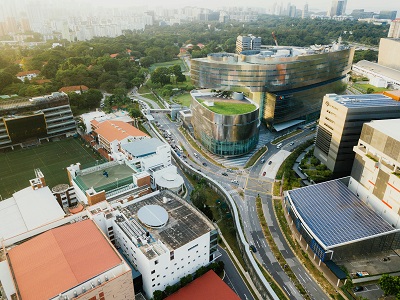
Introduction to Smart Cities
Smart cities represent a transformative approach to urban living, utilizing technology and data to enhance the overall quality of life for residents. At their core, smart cities are interconnected urban environments that leverage information and communication technology (ICT) to manage assets, resources, and services more efficiently. The primary goals of these urban innovations include improving sustainability, enhancing the efficiency of services, and promoting a higher standard of living. The implementation of smart technology in cities encompasses various elements such as transportation, energy management, waste management, and public safety. By integrating sensors, data analytics, and connected devices into city infrastructures, smart cities aim to optimize performance and resource use. For example, smart traffic management systems can reduce congestion and energy consumption by monitoring vehicle flow and adjusting traffic signals in real-time.
Furthermore, smart cities prioritize sustainability by promoting renewable energy sources, reducing greenhouse gas emissions, and encouraging responsible waste management practices. The deployment of intelligent grids and smart meters enables efficient energy consumption, ultimately contributing to the reduction of the urban carbon footprint.
Another significant aspect of smart cities is the improvement of public services, which encompass healthcare, education, and civic engagement. Technology enables cities to better serve their populations by streamlining processes, collecting feedback, and ensuring prompt responses to residents’ needs. Through mobile applications and online platforms, citizens are empowered to participate in local governance and community initiatives, thus fostering a sense of belonging and responsibility.
In conclusion, the concept of smart cities encapsulates an innovative approach to urbanization, emphasizing the importance of technology and sustainability in fostering enhanced living conditions for residents and creating efficient, responsive urban environments.
Key Technologies Driving Smart City Innovations
The evolution of smart cities is significantly shaped by a range of emerging technologies that enhance urban management, sustainability, and citizen engagement. Among these, the Internet of Things (IoT) stands out as a foundational technology. IoT facilitates the interconnection of various devices, allowing real-time data collection and communication. For example, smart sensors deployed throughout a city can monitor traffic flow, energy consumption, and environmental conditions, enabling more efficient city planning and resource allocation.
Another critical technology is big data analytics, which processes vast volumes of data generated by IoT devices. This capability allows urban planners and officials to identify trends, optimize services, and make data-driven decisions to improve the quality of life for residents. By leveraging big data analytics, cities can tackle challenges such as congestion through predictive modeling, thereby ensuring smoother transportation systems and better air quality.
Artificial Intelligence (AI) plays a pivotal role in enhancing the smart city framework. By applying machine learning algorithms to the data collected, AI can provide insightful predictions and automate processes, such as traffic management and public safety measures. AI-driven systems can analyze patterns in crime rates and deploy resources dynamically, ensuring a quicker response to incidents and enhancing overall public safety.
Last but not least, cloud computing significantly supports the deployment of smart city technologies. It offers scalable storage solutions and computing power, enabling cities to harness data effectively. Through cloud platforms, various smart city applications can be integrated, ranging from energy management systems to enhanced citizen engagement portals, thus creating a cohesive smart city infrastructure.
In essence, the amalgamation of IoT, big data analytics, AI, and cloud computing propels the growth and functionality of smart cities. As these technologies continue to evolve, they promise even greater advancements in urban management and public service delivery, ultimately fostering sustainable and livable urban environments.
Case Studies of Leading Smart Cities
Smart cities are transforming urban living, leveraging technology and data to improve the quality of life for residents. Notable examples of leading smart cities include Barcelona, Singapore, and Amsterdam, each implementing innovative strategies and initiatives.
Barcelona, renowned for its urban planning and design, has integrated a range of smart technologies into its infrastructure. The city employs a sophisticated network of sensors and IoT devices to manage and enhance urban services. Key initiatives include the deployment of smart waste management systems that optimize collection routes based on real-time data and smart traffic lights that adjust their timing to improve traffic flow, thereby reducing congestion. Additionally, Barcelona has established digital platforms that engage citizens, allowing them to access services and contribute to urban development.
Turning to Singapore, this city-state epitomizes the smart city paradigm through its holistic integration of technology across various sectors. Notable projects include the Smart Nation initiative, which leverages data analytics to enhance public transport efficiency and support environmental sustainability. Advanced surveillance and monitoring systems are employed to ensure public safety, while initiatives like the Digital Initiatives with regards to healthcare promote accessibility and high standards of service through telemedicine and health apps. The city also prioritizes smart energy, employing smart grids to optimize energy consumption across residential and commercial areas.
Amsterdam is another prime example as it has focused on sustainability within its smart city strategy. The Amsterdam Smart City initiative is centered around collaboration with businesses, local governments, and citizens to innovate solutions addressing urban challenges. Projects such as data-driven parking solutions and energy-efficient buildings exemplify the city’s commitment to reducing its carbon footprint. Furthermore, the city’s extensive use of open data fosters transparency and enables citizens to participate actively in urban decision-making.
Environmental Impact of Smart Cities
The emergence of smart cities is fundamentally transforming urban landscapes, emphasizing sustainability and environmental responsibility. As urban areas expand, they face increasing pressure on resources, necessitating innovative solutions to minimize their environmental footprints. Smart cities leverage advanced technology to enhance energy efficiency, optimize waste management, and promote green transportation.
One notable innovation in energy efficiency is the integration of smart grids. These systems allow for real-time monitoring and management of energy consumption, enabling cities to reduce waste and improve resource allocation. By utilizing renewable energy sources and implementing energy-efficient buildings, smart cities significantly decrease their reliance on fossil fuels, thus lowering greenhouse gas emissions. For instance, many cities are retrofitting existing structures with smart technologies that enhance insulation, regulate heating and cooling systems, and utilize smart lighting. These initiatives help minimize energy consumption, supporting sustainability efforts.
Waste management is another vital area impacted by smart city technologies. Traditional waste disposal methods often lead to significant environmental degradation. However, smart urban planning incorporates intelligent waste management systems that use data analytics to optimize collection routes and schedules. This reduces fuel consumption, labor costs, and emissions from waste collection vehicles. Furthermore, many smart cities are implementing zero-waste policies that encourage recycling and composting, fostering a circular economy.
Additionally, green transportation solutions play a pivotal role in the sustainability of smart cities. By promoting the use of public transport, electric vehicles, and cycling, cities can significantly reduce traffic congestion and the associated environmental impacts. Smart infrastructure, such as dedicated bike lanes and electric vehicle charging stations, encourages a shift toward more sustainable commuting options. This comprehensive approach to urban transportation not only decreases the carbon footprint but also enhances the overall quality of urban life.
By embracing these innovations, smart cities are effectively addressing environmental challenges, leading the way toward a more sustainable future. Their commitment to sustainability and improved environmental impact serves as a model for urban development worldwide.
Enhancing Urban Mobility through Technology
Transport systems are integral to the functioning of smart cities, with technological advancements contributing to more efficient, eco-friendly, and user-centered urban mobility solutions. Smart traffic management systems have emerged as pivotal innovations, employing real-time data analytics to optimize traffic flow, reduce congestion, and increase safety. These systems utilize sensors, cameras, and artificial intelligence to synchronize traffic signals according to current road conditions, significantly minimizing travel time.
In addition to improving traffic management, electric vehicle (EV) integration is becoming increasingly prevalent in smart cities. With the push towards sustainable transportation, many urban areas are investing in the development of EV charging infrastructure, which enables citizens to transition from traditional gasoline-powered vehicles to electric alternatives. This not only addresses the challenge of air pollution but also supports national and global goals aimed at reducing greenhouse gas emissions. Availability of charging stations is enhanced through strategic placements, ensuring they are accessible across city landscapes.
Moreover, bike-sharing programs have gained popularity as an efficient and healthy means of urban transport. These programs provide residents and visitors with convenient access to bicycles for short trips, thereby alleviating issues related to traffic congestion and promoting an active lifestyle. Through mobile applications, users can easily locate and rent bikes, track rides, and make payments seamlessly, fostering an eco-conscious commuting culture.
Public transportation enhancements also play a critical role in urban mobility. Smart cities are reimagining public transit systems by implementing GPS tracking, real-time updates, and mobile payment options, making transit more user-friendly and efficient. Integration of diverse transportation modes into a cohesive system enables seamless transfers and helps to reduce dependency on private vehicles. As these advancements continue to evolve, the future of urban mobility in smart cities looks promising, contributing to more sustainable and integrated transportation networks.
Citizen Engagement and Smart City Governance
In the evolving landscape of urban development, smart cities are redefining the relationship between governments and their citizens. By embracing technology and innovation, these cities enhance citizen engagement, fostering a collaborative environment that promotes transparency and accountability. One of the primary tools for achieving this goal is the use of mobile applications. These applications serve as direct channels through which residents can interact with local authorities, report issues, and provide feedback on city initiatives. This immediate communication helps build trust and encourages more active participation in governance.
Moreover, open data platforms play a crucial role in modern urban governance. By making data accessible, cities empower citizens to understand the functioning of local services. Open data allows for informed discussions and collaborative solutions to urban challenges, as it provides insights into areas such as traffic patterns, environmental conditions, and resource allocation. Citizens can analyze this information to uncover trends, assess the efficiency of services, and advocate for necessary changes. Thus, transparency is significantly enhanced, positioning citizens as valuable stakeholders in the decision-making process.
Participatory planning processes further elevate citizen engagement by actively involving the population in urban design and policy-making. Smart cities often employ workshops, forums, and online platforms to gather input from residents on proposed projects and initiatives. This collaborative approach ensures that diverse perspectives are considered, and it leads to the development of solutions that are more aligned with the needs and expectations of the community. Ultimately, fostering an environment of citizen engagement through technology not only improves satisfaction with urban governance but also enhances the overall resilience and livability of the smart city.
Challenges in Implementing Smart City Innovations
The implementation of smart city innovations presents a myriad of challenges that cities around the globe must navigate. Understanding these obstacles is crucial for fostering effective solutions and leveraging technology in urban environments. One of the primary concerns is funding, as many city governments face budgetary constraints that limit their capacity to invest in advanced technologies. This can inhibit the development of essential infrastructure needed for smart city applications, such as IoT devices and data analytics systems.
Moreover, the pursuit of innovative technologies often requires substantial initial investment, which can be difficult to justify without immediate returns. Cities must strategically seek public-private partnerships, grants, and alternative funding sources to overcome these financial barriers. Addressing these funding challenges is instrumental in ensuring that smart city projects can be initiated and sustained over time.
Additionally, data privacy is a significant concern associated with the adoption of smart city innovations. As urban areas increasingly rely on data to enhance services, apprehensions about surveillance and personal information security grow. Citizens may become hesitant to embrace smart solutions if they feel their privacy is compromised. Consequently, municipal authorities must prioritize transparency and establish robust data governance frameworks to build trust within the community.
Finally, the digital divide remains a persistent challenge in various regions. Not all residents have equal access to technology, which can exacerbate existing inequalities. Ensuring equitable access to smart city initiatives is essential to foster inclusivity and ensure that all citizens benefit from the advancements. This can be addressed through community engagement, education initiatives, and infrastructure investments in underserved areas. By acknowledging and addressing these issues, cities can better position themselves to harness the full potential of smart technologies.
Future Trends in Smart City Development
The concept of smart cities is evolving rapidly, driven by technological advancements and the need for sustainable urban living. As cities continue to grow, future trends are poised to reshape urban environments, enhancing the quality of life for residents.
One significant trend is the integration of artificial intelligence (AI) in urban management. AI algorithms are increasingly being utilized to improve traffic management, enhance public safety, and optimize energy usage. For instance, predictive analytics can analyze data from traffic cameras and sensors to adjust traffic signals in real-time, reducing congestion and improving commute times. In addition, AI-powered platforms can aid city officials in making data-driven decisions that enhance public services.
Moreover, the incorporation of blockchain technology in governance is gaining traction. This decentralized system promotes transparency and efficiency in public records management, property transactions, and voting processes. Blockchain can facilitate secure and tamper-proof transactions that foster trust among citizens and government institutions. Cities exploring this technology are paving the way for more accountable governance.
Another emergent trend is the utilization of virtual reality (VR) in urban planning. Urban planners can create immersive experiences that allow stakeholders to visualize proposed developments and engage in the planning process. This application can lead to more inclusive decision-making by providing residents with a better understanding of changes in their environment, ultimately resulting in enhanced community support for projects.
Lastly, as the climate crisis intensifies, smart cities will prioritize sustainable development through innovative practices such as green architecture, renewable energy integration, and efficient waste management systems. These developments not only address the environmental impact of urbanization but also contribute to the resilience of cities against climate-related challenges.
Conclusion: The Future of Urban Living
As we move into an era where urbanization is rapidly advancing, the concept of smart cities emerges as a pivotal factor in reshaping the future of urban living. The integration of technology within urban infrastructures not only enhances the efficiency of city services but also improves the quality of life for inhabitants. This transformative journey is not just about implementing cutting-edge technology but also about addressing longstanding urban challenges, such as congestion, pollution, and inadequate public services.
The innovations witnessed in smart cities around the world demonstrate a forward-thinking approach to urban planning. From integrated transportation systems that reduce traffic delays to smart energy solutions that optimize resource consumption, these advancements showcase a commitment to sustainability and resilience. Collaborations between governments, private sectors, and communities are vital as they drive the smart city agenda forward, ensuring that urban environments are adaptable and equipped to handle future demands.
Moreover, the role of data in smart cities cannot be overstated. Leveraging data analytics enables city planners to make informed decisions that directly impact urban living. By harnessing insights from real-time data, cities can improve service delivery, anticipate community needs, and enhance public safety measures. Therefore, engaging citizens in this technological evolution is essential for cultivating a shared vision of a thriving urban ecosystem.
In conclusion, the vision for smart cities encapsulates the potential to create more livable, efficient, and interconnected urban spaces. As innovations continue to unfold, the focus must remain on inclusivity and sustainability, ensuring that all voices are heard in the design of our urban future. The ongoing commitment to innovation will play a crucial role in addressing the growing challenges faced by urban areas globally, ultimately shaping the cities of tomorrow into vibrant hubs of opportunity and growth.