
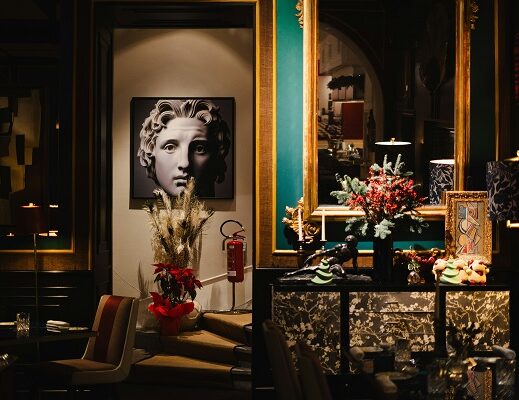
Introduction to Timeless Home Decor
When it comes to home decorating, the concept of timelessness plays a crucial role in creating spaces that remain appealing and functional regardless of fleeting trends. Timeless home decor refers to styles and ideas that withstand the test of time, proving their worth well beyond the latest fads. These enduring designs often incorporate classic elements, colors, and materials that evoke a sense of elegance and comfort. Investing in timeless decor is essential for homeowners looking to create a cohesive and long-lasting aesthetic. Rather than constantly updating their interior spaces to keep up with changing fashions, individuals can choose pieces that contribute to a sustained sense of style. This not only saves time and resources but also creates a more harmonious living environment. Timeless decor offers the advantage of versatility, allowing homeowners to adapt various elements to suit their personal preferences without straying from a cohesive design philosophy.
The benefits of selecting decor that endures go beyond mere aesthetics. Choosing timeless styles can enhance the overall value of a home. Prospective buyers often appreciate well-curated spaces that reflect a thoughtful approach to design, favoring classic elements over transient trends. Furthermore, timeless home decor encourages a deeper connection to the spaces we inhabit, as it often incorporates personal memories or historical significance. By merging practicality with beauty, timeless decor nourishes the spirit of a home, providing comfort and inspiration.
Classic Color Palettes
Color plays a vital role in home decorating trends that have stood the test of time. Among the various color schemes, neutral tones, blues, and earth tones consistently emerge as favorites, each contributing a unique ambiance to different spaces. Neutral tones, such as beige, cream, and gray, offer flexibility; they create a serene environment while serving as a base for bolder accent colors. This versatility allows homeowners to update their decor easily, ensuring that their living spaces remain stylish without the need for constant repainting.
Blues, ranging from soft pastels to deep navy, evoke a sense of tranquility and serenity. This color is particularly favored in bedrooms and bathrooms, where a calm atmosphere is desired. Incorporating blue can be as simple as adding a fresh coat of paint or utilizing blue-themed fabrics, such as curtains or throw pillows. This classic color also harmonizes beautifully with various other hues, making it a dependable choice for decor.
Earth tones, including browns, greens, and terracottas, reflect natural elements and seamlessly integrate the outside world into interior spaces. These colors promote a grounded feeling and work harmoniously in living areas, kitchens, and outdoor spaces. Accessories such as wooden furniture, woven textiles, and terracotta pots can enhance the earthy feel within a home while maintaining a timeless aesthetic.
In conclusion, classic color palettes not only remain relevant over time but also adapt with the evolving tastes of homeowners. By utilizing neutral tones, blues, and earth tones, individuals can create spaces that are both chic and inviting, ensuring that their home decor continues to resonate with style throughout the years.
Natural Materials
In the realm of interior design, the use of natural materials has remained a timeless trend, offering both aesthetic appeal and functional benefits. Materials such as wood, stone, and linen are increasingly favored for their durability and unique characteristics, which contribute significantly to the overall ambiance of a home.
Wood, for instance, brings warmth and a sense of comfort to any space. Its versatility allows it to be utilized in a variety of forms, including flooring, furniture, and decor items. Each type of wood offers distinctive grain patterns and colors, which means that no two pieces are alike. This uniqueness adds character to a room and resonates with those who appreciate natural beauty. Moreover, sustainable wood sourced from responsibly managed forests ensures that the environmental impact is minimized, aligning with a growing preference for eco-friendly home decorating choices.
Similarly, stone is celebrated for its enduring qualities and ability to infuse a space with a sense of permanence and stability. Whether in the form of countertops, flooring, or accent walls, natural stone brings a rugged elegance that can complement a wide range of design styles, from rustic to modern chic. The varying textures and colors found in stones such as granite, marble, or slate allow homeowners to create visually striking environments that feel both refined and inviting.
Linen, known for its breathable and lightweight properties, is another example of a natural material that enhances home decor. Its soft texture and ability to retain color make it an excellent choice for curtains, cushions, and upholstery. Unlike synthetic fibers, linen adds a layer of organic charm and sophistication, fostering a relaxed atmosphere that is perfect for living areas and bedrooms.
Overall, incorporating natural materials not only enhances the visual appeal of a home but also promotes a connection to the environment. By selecting wood, stone, and linen thoughtfully, homeowners can curate spaces that exude both style and warmth, ensuring that their interiors remain timeless and inviting.
Functional Furniture Designs
In the realm of home decor, furniture designs that successfully merge functionality with aesthetics are often celebrated for their timeless appeal. Such pieces are not merely decorative; they serve multiple purposes, making them a staple in any thoughtfully curated living space. For instance, sofas equipped with hidden storage compartments exemplify this duality, providing a chic seating option while effectively concealing items to maintain a clutter-free environment. This approach not only optimizes space but also enhances the overall design by ensuring that practicality does not detract from style.
Extendable dining tables represent another prime example of functional furniture that continues to stand the test of time. These versatile pieces allow homeowners to adjust the size of their dining area according to their needs, accommodating both everyday family meals and larger gatherings with ease. By seamlessly transitioning between intimate and spacious setups, such tables contribute to a dynamic dining experience, all while boasting elegant designs that complement a variety of interior styles.
Moreover, adaptable furniture pieces, such as modular sofas or foldable desks, offer immense flexibility, making them ideal for modern living environments where adaptability is crucial. These designs not only cater to changing lifestyles but also uphold a sense of style that remains relevant across various trends. From multi-functional coffee tables to elegant storage ottomans, functional furniture designs signify a commitment to thoughtful and enduring home decor.
Ultimately, the harmony of utility and beauty in furniture design ensures that homes remain not only stylish but also conducive to the practicalities of everyday life. By prioritizing function alongside aesthetic appeal, homeowners can cultivate spaces that are as enjoyable to live in as they are to admire, illustrating the true essence of timeless design in the modern home.
The Allure of Vintage and Antique Pieces
The integration of vintage and antique pieces into modern home decorating has become increasingly popular, revered for their distinctive aesthetics and the layers of history they bring to living spaces. Vintage decor, defined as items produced at least twenty years ago, along with true antiques, which are at least a century old, offer unique characteristics that new, mass-produced items typically lack. Incorporating these timeless pieces can infuse a dwelling with personality, storytelling, and a sense of enduring style.
Sourcing vintage finds can be an exciting journey, encompassing flea markets, estate sales, thrift shops, and specialized antique stores. Enthusiasts often enjoy the thrill of the hunt, discovering items that resonate with them on a personal level. Whether it’s a mid-century modern chair, an intricately carved wooden table, or a collection of vintage glassware, these pieces not only serve functional roles but also act as conversation starters. They can evoke memories, provoke thoughts about the past, and bring a sense of warmth to a modern space.
In terms of home decor, vintage items can seamlessly complement contemporary designs. A modern minimalist living room can be beautifully enhanced by a vintage rug or a statement piece of art from yesteryears. This layering of styles enables homeowners to curate an environment that reflects their individual tastes while celebrating the beauty of past craftsmanship. Additionally, antiques and vintage objects are often made from high-quality materials, ensuring durability and longevity, thus making them a wise investment in a home’s decor strategy.
Ultimately, incorporating vintage and antique pieces not only adds allure and charm to contemporary interiors but also allows one to create a unique narrative that enriches the overall aesthetic of the home. By carefully selecting items that resonate personally and historically, one can achieve a beautifully balanced and inviting living space that honors both the past and the present.
Cohesive Open-Concept Spaces
The open-concept design trend has gained significant traction over the years, primarily due to its ability to create spacious and versatile living environments. By merging different functional areas—such as the kitchen, dining, and living rooms—this layout not only fosters social interaction but also enhances the overall aesthetic appeal of a home. To create a cohesive flow within these open spaces, homeowners must consider various design elements that unite distinct functions while maintaining individuality.
One effective way to achieve this goal is through the use of a consistent color palette. By selecting colors that complement one another across adjoining areas, the space appears more unified, even when each zone is dedicated to a specific purpose. Additionally, the integration of shared materials such as flooring can further reinforce this seamless connection. For instance, using hardwood or laminate flooring throughout the living area and kitchen creates visual continuity, making the transition between spaces feel more natural.
Incorporating furniture that serves dual purposes can also enhance functionality within an open-concept layout. For example, a stylish kitchen island can serve not only as a preparation area but also as a dining spot, bridging the gap between the kitchen and living spaces. Utilizing area rugs can demarcate different sections, allowing for distinct identity while still contributing to an overarching theme.
Lastly, incorporating elements such as lighting can significantly contribute to the cohesiveness of open-concept spaces. Adjustable or pendant lighting in various zones fosters ambiance while emphasizing different areas’ purposes. By focusing on these aspects, homeowners can create an open-concept living area that is not only visually appealing but also distinct in function. Such thoughtful design approaches ensure that this trend continues to be relevant and effective in home decorating, catering to both aesthetic and practical needs.
Minimalism and Clutter-Free Living
The minimalist approach to home decor emphasizes simplicity and functionality, encapsulated in the philosophy of ‘less is more.’ This design style encourages homeowners to eliminate excess items and focus on essential elements that bring both aesthetic appeal and utility to their living spaces. Minimalism promotes a sense of calm and order, making it an enduring trend in home decorating that never goes out of style.
To achieve a minimalist aesthetic, it is crucial to start with decluttering. Begin by evaluating your possessions and identifying items that serve no functional purpose or do not contribute to your overall happiness. Once you have sorted through your belongings, consider adopting a fewer-is-better mentality when acquiring new items. Opt for quality over quantity; select decorative pieces and furniture that are not only visually appealing but also serve a practical function.
Incorporating minimalist design elements does not mean sacrificing warmth and character. Use neutral color palettes, such as whites, greys, and earth tones, to create a soothing backdrop that allows textures and materials to shine. Incorporate natural materials, such as wood and stone, to introduce warmth into the space. Additionally, choose a few statement pieces, like a well-crafted chair or an artful sculpture, which can enhance the overall aesthetic while providing a focal point in the room.
Moreover, maximizing natural light is another essential component of minimalist design. Large windows and open layouts create an inviting environment that feels spacious and airy. Keep window dressings simple to maintain unobstructed views and allow sunlight to fill the space.
Ultimately, the goal of minimalist decorating is to cultivate a peaceful and uncluttered environment that encourages mindfulness and intentionality in daily living.
Art and Personal Touches
In home decorating, the integration of personal art and décor plays a crucial role in crafting a unique living space that reflects one’s personality and individual story. Pivotal to transforming a house into a home, meaningful decorations breathe life into spaces while imparting a sense of belonging and sentimentality. Incorporating art that resonates with the inhabitants establishes a narrative thread, weaving together memories, experiences, and emotions articulated through visuals.
Artwork acquired through personal experiences, such as travel or local artists, can serve as conversation starters, opening doors for storytelling and connection with visitors. For instance, a painting from a favorite vacation destination not only adds color to a room but also evokes cherished memories that enrich the home’s overall ambiance. This intentional selection of art fosters a deeper appreciation and connection to one’s home environment.
Moreover, personal touches can extend beyond framed pieces to include family heirlooms, handmade crafts, or photographs. These elements establish continuity, sharing familial history and heritage, while also exhibiting the homeowner’s aesthetic preferences. The careful placement of such items ensures they are visually harmonious while striking a balance between personal significance and artistic appeal.
Utilizing elements that signify individual journeys allows for customization that transcends fleeting trends. This significance encourages homeowners to express their identity authentically. As home decorating trends continue to evolve, art that resonates on a personal level remains a timeless component that endures through changing styles. Engaging with themed décor or curated collections can enhance a home’s character, yet central to this evolution is the genuine inclusion of personal art and decorations that narrate one’s life story.
Conclusion: Embracing Timeless Trends
Home decorating is an art that constantly evolves, often influenced by changing tastes and contemporary styles. However, certain design elements and trends have stood the test of time, proving that good design can be both beautiful and lasting. Throughout this blog post, we have explored several key trends that consistently resonate with both designers and homeowners alike. From the enduring appeal of neutral color palettes to the charm of vintage-inspired furnishings, these timeless trends offer a foundation for various decorating styles.
Particularly, classic furnishings, natural materials, and well-thought-out layouts enhance a home’s aesthetic while ensuring functionality. Incorporating these elements not only pays homage to the rich history of design but also promotes a serene and welcoming environment. Furthermore, blending modern aesthetics with elements of nostalgia creates a distinctive character in every space, allowing individuals to express their personality through their home decor.
As you embark on your own home decorating journey, consider adopting some of these timeless trends. They provide not only visual appeal but also an atmosphere of comfort and stability, making your home feel both inviting and stylish. Timeless trends encourage a sense of harmony, seamlessly integrating with a variety of styles while bearing the ability to adapt through the years. Therefore, when choosing how to decorate your living space, seek out elements that resonate with the enduring quality of craftsmanship and design. By focusing on these principles, you will create a home that reflects your unique taste while remaining ageless in its beauty. Ultimately, the key to enduring home design is to embrace these timeless concepts, allowing them to inform and enrich your decorating experience.