
Introduction to Career-Focused Education
In today’s rapidly changing job market, career-focused education has emerged as a pivotal element in shaping workforce readiness. This approach emphasizes the alignment of educational programs with the skills and competencies that are in demand by employers. By integrating practical experience with theoretical knowledge, educators can provide students with a comprehensive learning experience that equips them for their future careers. The importance of career-focused education is underscored by the rising need for a workforce that can adapt to technological advancements and changing industry requirements. Traditional educational paradigms that emphasize solely academic achievement are no longer sufficient in preparing students for the complexities of modern work environments. Consequently, there is a growing expectation for educational institutions to cultivate a curriculum that not only imparts knowledge but also fosters practical skill development.
Career-focused education encompasses a broad range of strategies, including internships, cooperative education, and project-based learning. These methods allow students to engage with real-world problems, thereby honing their abilities to think critically and work collaboratively. Additionally, as industries continue to evolve, educational frameworks must also pivot to accommodate new technologies and methodologies, making it essential for students to remain agile and informed.
Furthermore, the rise of specific career-focused programs is a direct response to feedback from both learners and employers, highlighting the need for targeted training in areas such as technology, healthcare, and the trades. This symbiotic relationship between education providers and industry stakeholders serves to ensure that graduates possess relevant skill sets that align with market demands. Career-focused education thus represents a vital shift towards an educational model that prioritizes the preparation of students for successful employment and career advancement.
The Rise of Online Learning Platforms
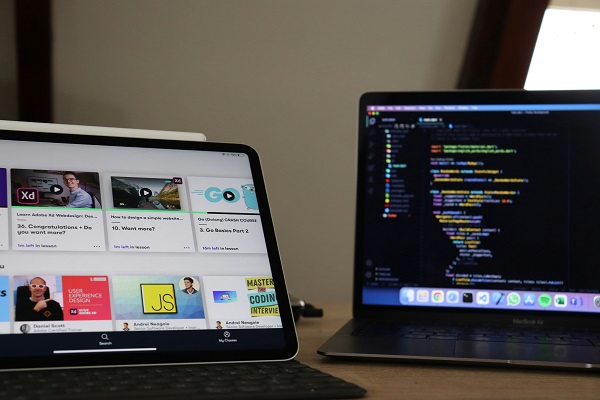
The advent of technology has significantly transformed the educational landscape, with online learning platforms emerging as vital tools for modern career-focused education. Platforms such as Coursera, Udemy, and edX have gained immense popularity, reshaping how individuals acquire new skills and knowledge. This shift towards digital learning reflects a growing recognition of the importance of flexible education in today’s fast-paced world.
One of the primary benefits of online learning is the flexibility it offers to learners. With traditional classroom settings often requiring strict schedules, many professionals find it challenging to balance their education with work and personal commitments. Online platforms remove these barriers, allowing learners to choose when and where they engage with course materials. This flexibility is particularly beneficial for those seeking to enhance their skillset or transition to new career paths while managing existing responsibilities.
Moreover, online learning platforms foster a personalized learning experience. Participants can select courses that align with their specific career goals and interests, allowing for a tailored approach to skill acquisition. This customization is essential as industries evolve and the demand for certain skills grows. By providing access to a vast array of subjects and expertise, these platforms empower individuals to pursue continuous professional development at their own pace.
In addition to flexibility and personalization, online learning enhances accessibility to high-quality education. Learners from diverse backgrounds and locations can access courses designed by industry experts, often at a fraction of the cost of traditional educational institutions. This democratization of knowledge further drives career advancement, as individuals are no longer limited by geographical boundaries or financial constraints.
As the landscape of professional education continues to evolve, the rise of online learning platforms represents a pivotal trend in career-focused development. Their impact on skills acquisition and professional growth is profound, indicating a shift towards more inclusive, adaptive, and supportive educational frameworks.
Importance of Soft Skills Training
In recent years, there has been a notable shift in education towards the cultivation of soft skills, which are essential in today’s workforce. Soft skills encompass a range of interpersonal abilities, including communication, teamwork, leadership, problem-solving, and adaptability. Unlike technical skills, which can often be quantified, soft skills are more nuanced and relate to how individuals interact with one another within a professional setting.
The emphasis on these competencies is largely driven by employers who recognize that technical expertise alone does not guarantee success in the workplace. Soft skills facilitate better collaboration and enhance productivity, making candidates with strong interpersonal skills highly sought after. Research indicates that a significant proportion of employers now prioritize soft skills during the hiring process, underscoring the importance of integrating this training into career-focused education.
Educational institutions have begun to respond to this demand by incorporating soft skills training into their curricula. This is often accomplished through experiential learning opportunities, such as internships, group projects, and workshops, which provide students with practical scenarios to develop these essential abilities. Alongside academic coursework, many programs are now offering dedicated courses on communication, emotional intelligence, and conflict resolution as a means to prepare students for the challenges of the modern workplace.
Moreover, with the rise of technology and remote work, the need for effective virtual communication and collaboration has propelled the importance of soft skills further into the spotlight. As digital interactions become prevalent, the ability to convey ideas clearly and work collaboratively online is now paramount. Therefore, educational institutions must continue to prioritize and enhance soft skills training, ensuring that graduates are not only academically prepared but also equipped to thrive in diverse work environments.
Industry Partnerships and Collaborations
The landscape of education is undergoing significant transformation, particularly as institutions increasingly recognize the importance of aligning their programs with industry needs. One of the most notable trends in this realm is the emergence of partnerships between educational institutions and various industries. These collaborations are designed not only to enhance the curriculum but also to ensure that graduates possess the skills necessary to thrive in their respective fields.
By engaging in industry partnerships, educational institutions are able to co-create programs that are directly aligned with job market demands. This synergy results in the development of curricula that encompass the latest technologies and practices relevant to specific industries. Consequently, students benefit from learning experiences that are not only academically rigorous but also practically applicable to their future careers.
Moreover, these partnerships often facilitate internship opportunities and practical training experiences for students. Through internships and cooperative education programs, students gain hands-on experience in real-world settings, enabling them to apply theoretical knowledge in practical contexts. This exposure is invaluable, as it significantly enhances their job readiness upon graduation. Employers, in turn, benefit from these collaborations by having access to a pool of well-prepared candidates who are not only knowledgeable but also familiar with the nuances of their respective work environments.
Additionally, industry partners play a crucial role in providing insights into emerging trends and technologies, enabling educational institutions to stay ahead of the curve. This proactive approach ensures that the skills taught are not outdated but rather relevant and in-demand. As a result, these collaborations foster a pipeline of talent that aligns closely with the evolving needs of the job market.
Micro-Credentials and Short Courses
In recent years, the landscape of career-focused education has witnessed a significant shift towards micro-credentials and short courses. Micro-credentials refer to specific skill-based qualifications that validate an individual’s expertise in a particular area. Unlike traditional degree programs, which often span several years and cover a broad range of subjects, micro-credentials are designed to be concise and targeted, allowing professionals to quickly acquire the necessary skills for their career advancement.
The appeal of micro-credentials lies in their flexibility and the speed at which individuals can complete them. Many working professionals seek opportunities to upskill without committing to full-time study. Micro-credentials offer efficient learning paths that can often be completed in weeks or even days, making them suitable for those who wish to enhance their employability or transition into new roles without sacrificing their current job responsibilities.
In contrast to traditional educational routes, short courses also focus on specific competencies, typically emphasizing practical applications rather than theoretical knowledge. These courses are often shorter in duration, usually ranging from a few days to several months, making them ideal for individuals looking to gain expertise in a specific sector or technology. Employers increasingly recognize the value of these educational options, as they equip workers with relevant skills that meet the ever-changing demands of the job market.
Both micro-credentials and short courses provide a viable alternative for professionals who are keen to remain competitive in their fields. With the rise of digital learning platforms, access to high-quality content has never been more obtainable. This democratization of education allows individuals to pursue customized learning experiences that align with their career objectives and personal interests, ultimately shaping the future of workforce development.
The Role of Technology in Education
The landscape of education is undergoing a significant transformation, largely propelled by advancements in technology. The integration of innovative tools such as Artificial Intelligence (AI), data analytics, and virtual reality is reshaping how students interact with learning materials and how educators deliver content. This evolution not only enhances the learning experience but also equips students with the necessary skills to navigate a tech-driven workforce.
Artificial Intelligence has emerged as a critical player in personalized education. Through AI, educational platforms can analyze individual learning patterns and preferences, enabling customized learning experiences that cater to each student’s needs. By leveraging AI, teachers can provide tailored support, ensuring students grasp complex concepts at their own pace. Furthermore, AI tools facilitate administrative tasks, allowing educators to focus more on teaching rather than bureaucracy.
Data analytics also plays a crucial role in refining educational strategies. By collecting and analyzing data on student performance and engagement, institutions can identify areas needing improvement. These insights foster informed decision-making in curriculum development and instructional practices. For example, performance metrics can reveal whether specific teaching methods are effective or if adjustments are necessary, thus enhancing overall educational quality.
Additionally, virtual reality (VR) has begun to redefine experiential learning. VR immerses students in simulated environments, offering hands-on experiences that are not feasible in traditional settings. Whether it’s exploring ancient civilizations or conducting complex scientific experiments, VR technology deepens understanding and retention. This immersive approach not only captivates learners but also prepares them for real-world applications of their knowledge.
Ultimately, the role of technology in education is vital in preparing students for future challenges. As the workforce becomes increasingly reliant on technological proficiency, ensuring students are adept at utilizing these tools will be essential for their success in various fields. Technology is not merely an aid; it is a catalyst that enhances education and fosters a culture of continuous learning.
Diversity and Inclusion in Education
The landscape of education is increasingly being shaped by a strong focus on diversity and inclusion, particularly within career-focused education. Institutions are recognizing that creating an equitable learning environment is not only a moral imperative but also a vital component of developing a skilled and capable workforce. In recent years, various initiatives have been launched to promote diversity in educational settings, ensuring that all students, regardless of their background, have access to high-quality training and resources.
Many educational providers now actively seek to include underrepresented groups such as minorities, women, and individuals with disabilities in their programs. Inclusive practices, such as targeted recruitment strategies and providing necessary support services, have been established to enhance participation from diverse student bodies. These efforts are crucial, as they aim to dismantle barriers that have historically marginalized individuals in specific career paths.
Furthermore, career-focused education programs are increasingly designed to integrate diversity and inclusion principles into their respective curricula. By introducing students to perspectives from various cultures and experiences, these initiatives facilitate a learning environment that promotes empathy, teamwork, and collaboration among peers. Consequently, this not only enriches the educational experience but also prepares graduates to thrive in diverse workplaces.
Employers are also recognizing the importance of diversity within their organizations, further reinforcing the need for educational institutions to prioritize these values. As the job market evolves, having a workforce that reflects a variety of backgrounds and viewpoints is critical for fostering innovation and addressing complex challenges. Therefore, educational bodies play an essential role in ensuring that their graduates are well-equipped to meet these expectations.
Globalization and International Learning Opportunities
In today’s interconnected world, globalization has significantly impacted career-focused education, prompting educational institutions to adapt their programs to meet international standards and demands. As workforce dynamics shift, students must be equipped with a broad understanding of global markets, cultures, and practices. This evolution has led to an increase in international exchange programs that empower students to immerse themselves in different cultural contexts while acquiring valuable skills applicable across borders.
International learning opportunities, including study abroad programs and internships, are becoming integral components of many educational curricula. Such experiences allow students to foster cross-cultural communication skills and to understand diverse business environments. Furthermore, engaging with peers from various backgrounds promotes collaborative problem-solving skills that are vital in today’s global workforce.
Many universities are partnering with global institutions to offer dual degree programs and joint certifications, enhancing the educational experience while producing graduates who are adaptable and competitive on a global scale. These partnerships often extend beyond academic exchange, fostering collaborative research and development initiatives that further enrich students’ learning experiences.
Additionally, the rise of online learning platforms has enabled access to international resources, offering students the chance to learn from global experts and partake in global conferences without the need for physical relocation. This flexibility provides students with the chance to build networks worldwide and stay informed of global industry trends.
As globalization continues to influence career-focused education, institutions must prioritize creating comprehensive learning opportunities that equip students with the skills and knowledge necessary to thrive in a diverse job market. By embracing international learning opportunities, educational systems can help students navigate the complexities of a globalized economy, preparing them not just for local careers but for success in an increasingly interconnected world.
Conclusion and Future Predictions
As we look towards the future of career-focused education, several key trends emerge from our discussion. Firstly, the integration of technology into educational frameworks continues to be a pivotal movement. This not only encompasses the use of online platforms and e-learning modules but also highlights the importance of technology literacy as a fundamental skill in a rapidly evolving job market. Institutions are increasingly adapting their curricula to reflect these shifts, thereby ensuring that graduates are well-prepared for the demands of contemporary careers.
Another significant trend is the emphasis on experiential learning. Programs that incorporate internships, hands-on projects, and real-world problem-solving are gaining traction, as they provide students with invaluable insights and practical skills required in various professional settings. This approach allows learners to connect theoretical knowledge with practical application, fostering a seamless transition from education to employment.
Moreover, there is a growing recognition of the importance of soft skills, such as communication, teamwork, and adaptability. As employers seek well-rounded candidates, educational institutions are revising their programs to emphasize these skills alongside technical knowledge. This holistic approach to career-focused education ensures that graduates can thrive in diverse environments.
Looking ahead, we anticipate ongoing innovations that will further enhance career-oriented programs. For instance, the increasing use of artificial intelligence in personalized learning experiences holds great promise for meeting individual student needs. Additionally, partnerships between educational institutions and industries are likely to expand, providing more tailored pathways that align educational outcomes with workforce requirements. By embracing these trends, career-focused education will continue to evolve, equipping future generations with the skills and competencies necessary to excel in the global economy.