
Introduction to Smart Home Technology
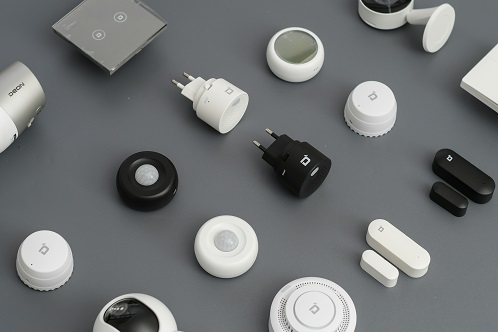
Smart home technology represents a significant advancement in residential living, offering homeowners an unprecedented level of convenience and control over their environment. At its core, smart home technology encompasses a variety of connected devices that utilize the Internet of Things (IoT) to enhance everyday experiences. Common examples include smart speakers, thermostat systems, lighting controls, security cameras, and appliances that can be controlled remotely via smartphones or voice commands. The integration of smart home devices into our daily lives is reshaping how we manage everything from energy consumption to home security. For instance, smart thermostats allow users to regulate heating and cooling more efficiently, adjusting settings based on real-time data and user preferences. Moreover, smart lighting systems can be programmed to adjust brightness or switch on and off at set intervals, thereby enhancing both security and energy savings.
As homeowners increasingly embrace these technologies, the quest for convenience and automation drives the adoption of smart home devices. The growing trend is evident in various demographics, ranging from tech enthusiasts to families aiming for better energy management. This shift not only simplifies daily routines but also offers the added benefit of monitoring and controlling home environments from virtually anywhere, an appeal that is particularly resonant in today’s fast-paced lifestyle.
In this rapidly evolving technological landscape, understanding the basics of smart home technology is crucial for anyone looking to enhance their living spaces. The range of devices available today means that virtually every aspect of home management can now be optimized for greater comfort, efficiency, and peace of mind.
Benefits of Smart Home Devices
Smart home devices have revolutionized the way we interact with our living spaces by enhancing everyday life through increased efficiency and convenience. One of the most significant benefits is energy efficiency. Smart thermostats, for instance, allow homeowners to adjust heating and cooling systems remotely, leading to reduced energy consumption and subsequent savings on utility bills. A study by the American Council for an Energy-Efficient Economy found that utilizing a smart thermostat can lead to savings of about 10-15% on heating and cooling bills, demonstrating the tangible financial benefits of these technologies.
Enhanced security features are another compelling advantage of smart home devices. Smart security cameras and doorbell systems can be monitored from a smartphone, providing homeowners with real-time alerts and footage. This adds a layer of safety that traditional security methods may lack. According to research by the University of North Carolina, homes with security systems, including smart devices, were 300% less likely to be burglarized, showcasing how these tools can deter crime effectively.
Another key benefit of smart devices is their ability to save time, resulting in a more efficient daily routine. Voice-controlled assistants enable users to manage tasks such as turning off lights, playing music, or creating shopping lists through simple voice commands. This hands-free experience can significantly streamline daily activities, leaving more room for leisure and productivity. Additionally, smart appliances can automate mundane chores; for example, a smart washing machine allows users to start or schedule laundry cycles remotely, further optimizing time management.
Lastly, smart home devices enhance overall home comfort by tailoring environments to personal preferences. Smart lights can adjust brightness based on the time of day, while smart blinds can be programmed to open or close according to the homeowner’s schedule. By creating a customizable living space, smart home technologies help promote a comfortable and enjoyable atmosphere. The integration of these devices not only simplifies life but also enables individuals to focus on what matters most: family, work, and relaxation.
Popular Smart Home Devices
The advent of smart home technology has revolutionized the way we interact with our living spaces, allowing for enhanced convenience, efficiency, and security. In this section, we will explore some of the most popular smart home devices currently available on the market, each fulfilling unique roles while contributing to the overall smart home ecosystem.
One of the most recognized devices is the smart speaker, which serves as a voice-activated assistant capable of controlling other smart devices, providing music, and fetching information with simple verbal commands. Popular examples include Amazon Echo and Google Nest, both of which integrate with various platforms, allowing users to manage their smart home with ease.
Next is the smart thermostat, designed to optimize home heating and cooling. Devices like the Nest Thermostat and Ecobee adjust temperature settings automatically based on user behavior and preferences, which can lead to significant energy savings. By analyzing data, smart thermostats learn from users’ habits, offering a more efficient, customizable climate control experience.
Smart lighting systems, including brands such as Philips Hue and LIFX, provide homeowners with the ability to control lighting remotely via smartphone apps or voice commands. Users can dim lights, change colors, and set schedules, creating ambiance while increasing energy efficiency. The convenience of automating lighting not only enhances comfort but also contributes to improved home security.
Another essential device is the smart security camera. Brands like Ring and Arlo offer advanced features, such as motion detection, night vision, and real-time alerts, allowing homeowners to monitor their property remotely. These devices enhance safety by providing peace of mind, ensuring that users remain informed about activity around their homes.
Lastly, the smart plug serves as an affordable entry point into smart home technology. By allowing users to control non-smart appliances remotely, devices like TP-Link Kasa or Wemo Mini facilitate energy management and automation, enhancing the functionality of traditional devices.
Smart Lighting Solutions
Smart lighting solutions have revolutionized the way individuals interact with and manage their home environments. By utilizing smart bulbs and integrated lighting systems, homeowners can gain significant control over their residential lighting. The core functionality of these devices revolves around connectivity, often using Wi-Fi or Bluetooth technology, allowing users to adjust their lighting preferences remotely via smartphones or dedicated applications.
One of the most notable advantages of smart lighting is the convenience it offers. With the ability to control lights from virtually anywhere, users can easily turn lights on or off, dim them, or change their color palette all from their mobile devices. This feature not only contributes to an enhanced lifestyle but also serves a practical purpose in energy conservation. By scheduling lights to turn on or off at specific times, homeowners can ensure that energy is not wasted when spaces are unoccupied.
Furthermore, smart lighting solutions provide a unique opportunity to create customized atmospheres in different rooms, whether for entertaining guests, watching a movie, or simply relaxing at the end of a long day. The capability to set various ‘scenes’ adds a layer of flexibility that traditional lighting does not. For those considering transitioning to smart lighting, top brands such as Philips Hue, LIFX, and Wyze offer reliable products that exemplify advanced features, integration with smart home hubs, and user-friendly interfaces.
In summary, smart lighting solutions not only enhance daily convenience and energy efficiency but also foster a customizable ambiance tailored to individual preferences. Investing in such technologies can lead to a more connected and manageable home, ultimately enhancing the quality of life for users.
Home Security Innovations
Smart home devices have significantly transformed the realm of home security, introducing a plethora of innovations designed to enhance safety and convenience. Among these advancements, smart locks, security cameras, and alarm systems stand out as essential components for modern residential security. These devices collectively offer a robust framework for securing homes and providing peace of mind to homeowners.
One of the primary features of smart locks is remote access control. Homeowners can lock or unlock doors from their smartphones, which is particularly beneficial for granting access to guests or service providers without the need to be physically present. This capability minimizes the risk of unauthorized entry, as users receive alerts whenever the locks are engaged or disengaged. Additionally, many smart locks can integrate with home automation systems, allowing for scheduled locking and unlocking that fits the homeowner’s routine.
Smart security cameras play a crucial role in monitoring properties in real-time. They often come equipped with features such as motion detection, night vision, and two-way audio, enabling homeowners to communicate directly with visitors or intruders through their mobile devices. The option for cloud storage ensures that video footage is securely stored and can be reviewed as needed. For added convenience, many systems also provide instant alerts in the case of movement, allowing homeowners to respond quickly to potential security breaches.
Alarm systems have evolved to include smart functionalities as well. These systems can be configured to send alerts directly to the homeowner’s phone or even to a local security service. Many alarms now feature connectivity options that allow for system management via smartphone applications, enabling users to arm or disarm their system remotely.
To maximize the effectiveness of a smart security system, homeowners should consider integrating multiple devices for comprehensive coverage. Establishing a strong Wi-Fi network is essential, as is ensuring that all devices are regularly updated with the latest security patches. By thoughtfully selecting and configuring smart home security devices, individuals can create a safer living environment that aligns with their lifestyle.
Energy Management with Smart Devices
In the quest for greater energy efficiency, smart home technology plays a pivotal role, particularly through the use of smart thermostats and energy monitoring devices. These innovations not only help homeowners manage their energy consumption effectively but also contribute to significant reductions in energy bills and a smaller environmental footprint.
Smart thermostats are perhaps one of the most recognized advancements in energy management. These devices learn from household patterns and preferences, allowing for temperature adjustments that optimize heating and cooling. By programming schedules based on when the home is occupied or unoccupied, smart thermostats can minimize energy waste. Through their connectivity to mobile applications, users can remotely control their home’s heating and cooling settings. This capability ensures that energy is conserved during periods of absence, which translates to lower utility expenses.
Additionally, energy monitoring devices offer insightful analytics on energy usage across various appliances. By providing real-time data, these devices empower homeowners to identify power-hungry items and modify usage patterns accordingly. Users can easily track consumption trends and even receive alerts regarding abnormal energy usage, which can signify underlying issues with devices or systems. By understanding where and how energy is being consumed, homeowners can take actionable steps to enhance efficiency.
The integration of smart energy management systems not only aids in savings but also promotes sustainable living. As these technologies continue to evolve, their impact on energy conservation becomes more significant, helping to foster a culture of energy mindfulness. In summary, smart home devices like thermostats and energy monitors create opportunities for both financial savings and positive environmental contributions, making them essential components for modern households striving for energy efficiency.
Voice Assistants and Their Role
Voice assistants such as Amazon Alexa, Google Assistant, and Apple Siri play a pivotal role in the realm of smart home automation. These advanced systems enable users to interact with various smart devices and manage daily tasks through simple voice commands, thereby enhancing convenience and efficiency. As households increasingly adopt smart technology, the integration of voice assistants has become essential for seamless control over connected devices.
With the ability to control lights, thermostats, security cameras, and more, voice assistants serve as the central hub for smart homes. For instance, a user can instruct Alexa to turn off the living room lights while preparing for bed, eliminating the need to navigate through dark rooms. Similarly, Google Assistant can adjust the temperature of a smart thermostat, ensuring optimal comfort without requiring physical interaction.
Moreover, voice assistants facilitate multitasking by allowing users to access information while performing other activities. For example, a user can ask Siri for the weather forecast while cooking, or request a recipe hands-free. This capability not only simplifies daily routines but also enhances productivity by allowing individuals to manage their time more effectively.
The potential of voice assistants extends beyond mere control of devices; they can also interact with various third-party applications. Users can create routines that automate multiple tasks simultaneously. For example, a morning routine could involve turning on the coffee machine, adjusting the thermostat, and reading out news headlines, all initiated by a single voice command. This level of integration reflects the growing trend toward fully automated living spaces.
In conclusion, voice assistants significantly improve the functionality of smart homes by providing a hands-free interface that enhances user experience. Their ability to manage tasks efficiently and interact with various devices makes them an indispensable component of modern smart home technology.
Combining Smart Devices for Maximum Efficiency
Integrating various smart home devices can significantly enhance the convenience and efficiency of a household. By coordinating multiple devices, homeowners can create a seamless experience that simplifies daily tasks. A primary strategy to achieve this integration is through the creation of routines. Many smart home systems allow users to set triggers that automate specific actions. For instance, a user might program their smart lights to turn on when the smart thermostat adjusts the temperature or the smart security system is disarmed. This coordination not only improves comfort but also ensures consistent energy management.
An effective approach to automating smart devices is utilizing IFTTT (If This Then That) commands. This online service facilitates connections between various smart devices even when they are from different manufacturers. By defining specific conditions and actions, users can go beyond simple remote control. For example, if a smart doorbell detects motion, it can automatically prompt a smart camera to record video footage. This interconnectedness fosters an advanced ecosystem where devices work in tandem to enhance security and user engagement.
However, ensuring compatibility between devices is crucial. When purchasing smart devices, it is imperative to check for compatibility with existing systems and hubs. Many smart devices operate on common protocols, such as Zigbee and Z-Wave, which can facilitate their integration. It is also advisable to stick with devices from reputable manufacturers that support open ecosystems, allowing for greater flexibility in device pairing. Homeowners should carefully consider their options and ensure their devices can communicate effectively to leverage the full potential of a smart home environment.
Future Trends in Smart Home Technology
As smart home technology continues to advance, several emerging trends point towards a future where these devices will further simplify daily living. One significant trend is the increasing integration of artificial intelligence (AI) into smart home systems. AI can learn user preferences and routines, leading to predictive capabilities that adjust settings for energy efficiency, security, and personal comfort. This means devices will not simply respond to commands but will anticipate the needs of homeowners, providing a more seamless and intuitive experience.
Additionally, interoperability among devices is expected to improve dramatically. Currently, users often face challenges with smart devices from different manufacturers not communicating effectively. Future developments in open-source standards and protocols could pave the way for a unified smart home ecosystem, allowing various devices to work together harmoniously, which would enhance user experience and operational efficiency.
Another trend lies in the increased focus on sustainability. As environmental consciousness grows, smart home technology is likely to incorporate more features aimed at resource conservation. Devices that monitor energy consumption, manage heating and cooling intelligently, and optimize water usage will become standard. This shift not only aligns with consumer preferences but also contributes to larger societal goals aimed at reducing carbon footprints.
Moreover, advancements in home security will play a pivotal role in the evolution of smart home technology. Innovative solutions, such as biometric sensors and AI-driven surveillance systems, promise to provide enhanced security measures tailored to individual requirements. This will offer homeowners greater peace of mind as they leverage technology to protect their dwellings.
In conclusion, the future of smart home technology looks promising, with developments in AI, interoperability, sustainability, and security paving the way for a more interconnected and efficient living environment. Consumers can expect an increasingly intelligent and responsive home, designed to cater to their evolving needs and enhance their quality of life.