
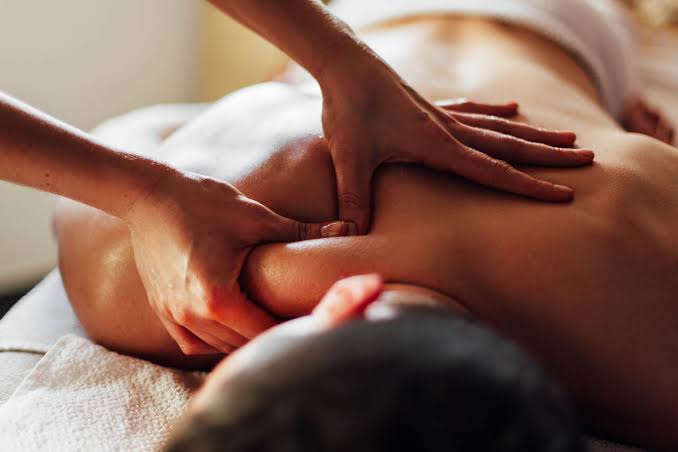
Massage techniques differ in how they apply pressure and heat to specific areas. The right approach depends on where the discomfort is and the type of treatment. Deep tissue techniques apply pressure to deeper layers of muscle and connective tissue, while other approaches may incorporate stretching or compression. Here are a few techniques that provide pain relief in different ways:
Target Deep Muscle Tension
Deep tissue treatment uses focused pressure on deeper muscle and connective tissue layers, with slow movements directed toward areas of tightness or knots. Common areas of focus include the neck, shoulders, lower back, and legs. A Swedish massage uses a range of techniques and pressure levels.
During treatment, the therapist directs pressure toward specific areas rather than applying the same technique across the entire body. Chronic tension and postural strain often involve specific areas of discomfort, so the location and duration of that discomfort provide useful information before treatment. Tell your therapist about areas where you experience tension, stiffness, or discomfort.
A more targeted approach suits sessions in which muscle stiffness is the primary concern, and discussing the duration and location of the stiffness gives the therapist additional context. Throughout the session, pressure is adjusted according to the treatment approach and your feedback; your description of discomfort helps the therapist identify areas for focused attention.
Restore Muscle Mobility
Thai Stretch combines assisted stretching with compression. The treatment incorporates guided movement rather than relying on table-based techniques, with stretching directed toward areas such as the hips, shoulders, back, and legs. The therapist guides each movement while applying pressure to selected areas, and compression accompanies the stretching process. The treatment includes several components:
- Assisted stretching
- Compression
- Hip mobility
- Shoulder and back movement
- Leg flexibility
Support Active Recovery
Sports treatment is designed for people who exercise regularly and experience soreness related to physical activity. The treatment focuses on recovery and flexibility, while attention is directed toward areas affected by repetitive movement. Your activity patterns provide context for the session, and they help identify areas related to the physical demands of your routine. Treatment addresses the areas associated with repetitive movement and exercise-related soreness.
Apply Broad Pressure
Ashiatsu uses the therapist’s feet to apply controlled pressure across larger areas of muscle, and overhead bars provide support as the therapist moves during the treatment. The technique uses broad contact rather than concentrating pressure through the hands. Areas such as the hips, hamstrings, glutes, lower back, and shoulders receive focused attention.
The therapist controls foot pressure and positioning throughout the session, and the treatment is directed toward the areas identified for attention. Discussing your target areas before the session gives the therapist information about where to focus the treatment. The goal of this massage type is to provide relief from constant muscle tension and reduce pressure on joints.
Combine Complementary Techniques
Several treatments use techniques that differ from traditional hands-on pressure, and each approach provides a distinct method of addressing areas associated with discomfort. Cupping uses suction, while hot stones incorporate heated stones into the treatment. Here are a few complementary techniques to add to your massage experience for further pain relief:
- Cupping: Uses suction as part of the treatment.
- Hot Stones: Incorporates heated stones during the session.
- Hot and Cold Therapy: Combines sauna use with a cold plunge.
- Gua-Sha: Uses targeted techniques for areas of muscle tension.
Get a Massage for Pain Relief
Pain relief planning begins with identifying the areas affected by discomfort and evaluating your daily activities and preferred treatment format. These details provide information for discussing which treatment approach applies to each area. The treatment approach used for one area could differ from the techniques used in another area of your body. Visit a spa to discuss your concerns and choose a massage treatment that fits your needs.