
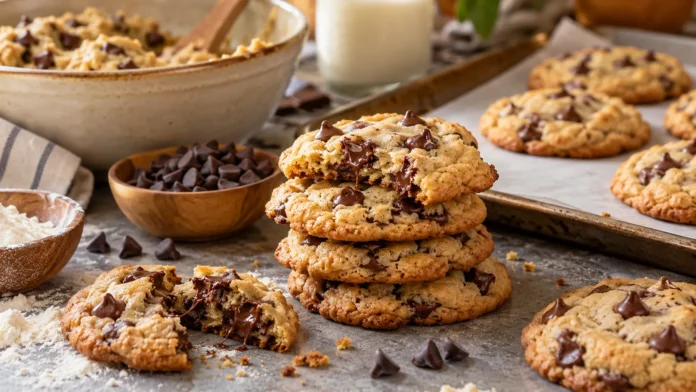
Nothing compares to the smell of freshly baked chocolate chip cookies filling your kitchen. With their golden edges, soft centers, and delicious melted chocolate, homemade cookies are a comforting treat for almost any occasion. The best part is that you do not need professional baking skills or expensive equipment to make a delicious batch from scratch.
Learning how to make easy chocolate chip cookies from scratch is surprisingly simple when you understand the right ingredients, measurements, and baking techniques. Whether you prefer soft and chewy cookies or slightly crispy edges, a few practical adjustments can help you achieve your favorite texture. This beginner-friendly guide covers everything from preparing cookie dough to baking, storing, and customizing homemade chocolate chip cookies.
Why Homemade Chocolate Chip Cookies Are Worth Making
Homemade chocolate chip cookies offer something special that many packaged alternatives cannot match: the satisfaction of enjoying a freshly baked treat made exactly how you like it. You can control the sweetness, chocolate quantity, and final texture. Whether you prefer thick cookies or thinner, crispier ones, baking from scratch allows you to adjust the recipe according to your preferences.
Another advantage is that chocolate chip cookies require relatively simple ingredients that are commonly available in home kitchens. Flour, butter, sugar, eggs, vanilla, and chocolate chips form the foundation of this classic dessert. You do not need unusual baking ingredients or complicated decorating techniques to prepare cookies that look appealing and taste delicious.
Making cookies at home can also become an enjoyable activity for families, beginners, and anyone learning basic baking skills. Measuring ingredients, mixing dough, and watching cookies turn golden in the oven create a rewarding experience. Once you understand the basic recipe, you can experiment with different flavors and textures without starting from scratch every time.
Ingredients for Easy Chocolate Chip Cookies From Scratch
For approximately 18 medium cookies, gather 1/2 cup (113 grams) softened unsalted butter, 1/2 cup (100 grams) packed light brown sugar, and 1/3 cup (65 grams) granulated sugar. You will also need one large egg and 2 teaspoons vanilla extract. These ingredients create a rich, buttery dough that develops a tender center and lightly caramelized edges during baking.
For the dry ingredients, measure 1 1/2 cups (180 grams) all-purpose flour, 1/2 teaspoon baking soda, and 1/2 teaspoon fine salt. Add 1 cup (approximately 170 grams) semisweet chocolate chips or chopped chocolate. Using accurate measurements is important because too much flour can create dry cookies, while incorrect leavening amounts may affect spreading and texture.
This easy chocolate chip cookie recipe does not require mandatory dough chilling, making it convenient for quick baking sessions. Use softened butter rather than completely melted butter for the most predictable results. If using salted butter, reduce the added salt to approximately 1/4 teaspoon, although the final saltiness may vary depending on the butter brand.
Prepare Your Ingredients and Baking Equipment
Before making homemade chocolate chip cookies, organize your ingredients and prepare the necessary baking equipment. You will need two mixing bowls, measuring cups or a kitchen scale, a whisk, a spatula, and a baking sheet. An electric mixer is useful for creaming butter and sugar, but a sturdy spoon can also work with additional effort.
Preheat your oven to 350°F (175°C) and line a baking sheet with parchment paper. Proper preheating helps the cookies begin baking at a consistent temperature, which influences their spreading and final texture. Arrange your baking rack near the center of the oven so the cookies receive relatively even heat during the baking process.
Allow refrigerated butter to soften until it yields slightly when pressed but still holds its shape. Butter that is extremely warm or greasy can encourage cookies to spread too much. Measure your flour carefully by weighing it or gently spooning it into a measuring cup and leveling the top without packing it down.
How to Make Chocolate Chip Cookie Dough Step by Step
Start by placing the softened butter, brown sugar, and granulated sugar into a large mixing bowl. Beat the ingredients together for approximately two to three minutes until the mixture looks lighter and creamy. Creaming incorporates some air and helps distribute the sugars evenly, creating a smoother foundation for your homemade chocolate chip cookie dough.
Next, add the egg and vanilla extract to the butter mixture, then mix until everything is combined. In a separate bowl, whisk the flour, baking soda, and salt to distribute the dry ingredients evenly. Gradually add the flour mixture to the wet ingredients, stirring gently until the dough comes together without visible pockets of dry flour.
Finally, fold in the chocolate chips using a spatula or wooden spoon until they are evenly distributed. Avoid excessive mixing once the flour has been added because overworking the dough can encourage gluten development and produce tougher cookies. The finished dough should be soft, slightly thick, and easy to scoop without appearing runny.
How to Bake Perfect Chocolate Chip Cookies
Once your dough is ready, use a cookie scoop or tablespoon to portion it into approximately 18 evenly sized balls. Each portion should contain roughly 2 tablespoons of dough, although exact sizes may vary. Place the portions about 2 inches apart on your prepared baking sheet to leave enough room for spreading during baking.
Bake the cookies at 350°F (175°C) for approximately 10 to 12 minutes, depending on their size and your oven. Look for lightly golden edges while the centers still appear slightly soft. The cookies will continue setting from residual heat after removal, so waiting until the entire surface looks firm may result in a drier texture.
Allow the cookies to rest on the baking sheet for about five minutes before transferring them to a wire rack. This cooling period helps the soft centers become firm enough to move without breaking. Let them cool slightly before serving, or enjoy them while they are still pleasantly warm and filled with melted chocolate.
How to Make Soft and Chewy Chocolate Chip Cookies
Soft and chewy chocolate chip cookies depend on the balance between moisture, sugar, flour, and baking time. Brown sugar helps retain moisture and contributes to a pleasantly chewy texture. Using more brown sugar than white sugar in this recipe supports a tender center while still allowing the edges to develop a beautiful golden appearance.
Another important technique is avoiding unnecessary overbaking, even when cookies look slightly soft in the middle. Once the edges are set and lightly colored, removing the baking sheet allows the centers to finish setting during cooling. This technique can help achieve the familiar combination of a soft interior and gently crisp outer edges.
If your dough feels overly warm or spreads quickly when scooped, refrigerating it for 20 to 30 minutes can help. Chilling firms the butter and may produce thicker cookies with less spreading. However, this step is optional when the dough is already at a suitable temperature and maintains its shape before baking.
How to Get Crispy Edges and Golden Brown Cookies
Some people prefer chocolate chip cookies with crisp edges and a slightly crunchy texture rather than extremely soft centers. Achieving this result involves controlling dough thickness, sugar balance, and baking time. Slightly flatter dough portions often spread more during baking, creating thinner cookies with a greater proportion of golden, crispy edges.
Granulated sugar encourages spreading and crispness, while brown sugar contributes moisture and chewiness. For a crispier variation, you can experiment with slightly increasing the white sugar and reducing the brown sugar by an equivalent weight. These adjustments may change the sweetness and overall structure, so make small changes rather than dramatically altering the recipe.
Baking for an additional minute may also produce firmer edges, but watch the cookies closely to avoid burning. Oven temperatures and baking sheet materials can influence how quickly the bottoms become golden. Allowing cookies to cool completely on a wire rack can also help their outer surfaces develop a more noticeable crisp texture.
Common Chocolate Chip Cookie Baking Mistakes to Avoid
One of the biggest mistakes when making chocolate chip cookies from scratch is using too much flour. Scooping flour directly from a tightly packed container can add more than the recipe requires, producing dense or dry cookies. Measuring by weight is more reliable and helps maintain consistency when preparing multiple batches of cookie dough.
Another common mistake is using butter that is too warm or adding melted butter when the recipe requires softened butter. Excessively warm dough may spread rapidly before the cookies develop enough structure. Similarly, placing dough onto a hot baking sheet can encourage uneven spreading, so let the sheet cool between batches when necessary.
Overmixing the dough and leaving cookies in the oven too long can also affect the finished texture. Once the dry ingredients are incorporated, mix only enough to combine everything evenly. Pay attention to the edges, centers, and cooling process rather than relying exclusively on baking time because ovens and cookie sizes can vary.
Easy Chocolate Chip Cookie Variations to Try
One advantage of homemade chocolate chip cookies is that the basic dough can be customized with different ingredients. Dark chocolate chunks create a richer chocolate flavor, while milk chocolate chips provide a sweeter taste. You can also combine different types of chocolate to create cookies with varied textures and pockets of melted chocolate.
For additional crunch, replace a portion of the chocolate chips with chopped walnuts, pecans, or other suitable nuts. Unsweetened coconut flakes or a small amount of cinnamon can also introduce interesting flavors. Keep additions moderate so the dough maintains its structure, and consider any food allergies when baking cookies for family members or guests.
A small sprinkle of flaky sea salt on freshly baked cookies can provide an appealing contrast to the sweetness of the chocolate. For a more indulgent variation, add a few extra chocolate pieces on top of each dough ball before baking. These simple finishing touches can make homemade cookies look more attractive without requiring complicated baking techniques.
How to Store and Freeze Homemade Chocolate Chip Cookies
Proper storage helps homemade chocolate chip cookies maintain their flavor and texture after baking. Allow the cookies to cool completely before placing them in an airtight container at room temperature. Most plain homemade chocolate chip cookies are best enjoyed within three to four days, although their texture may change gradually during storage.
If you want to prepare cookies in advance, freezing unbaked dough portions is a convenient solution. Arrange the scooped dough on a tray and freeze until firm, then transfer the portions into a suitable freezer-safe container. Label the container with the preparation date and use the frozen dough within approximately two to three months for the best quality.
Frozen dough portions can generally be baked without thawing, although they may need an additional minute or two in the oven. Fully baked cookies can also be frozen after cooling and stored in airtight packaging. When ready to serve, allow them to thaw at room temperature or warm them briefly to restore a freshly baked texture.
Troubleshooting Chocolate Chip Cookies That Do Not Turn Out Right
If your chocolate chip cookies spread too much, the dough may contain overly warm butter, insufficient flour, or an incorrect ingredient balance. Check your measurements before making major changes to the recipe. Chilling the dough and using a cool baking sheet can help reduce excessive spreading and produce cookies with a more consistent shape.
Cookies that turn out unusually thick or dry may contain too much flour or may have been baked longer than necessary. Dense cookies can also result from excessive mixing after the flour is added. To improve your next batch, measure ingredients accurately, mix gently, and begin checking for doneness near the lower end of the recommended baking time.
If the cookies develop dark bottoms while the centers remain underbaked, your baking sheet or oven temperature may be contributing to uneven results. Try using a light-colored baking sheet and placing it near the center of the oven. An oven thermometer can also help identify inaccurate temperature settings that affect cookie baking.
How to Serve Homemade Chocolate Chip Cookies
Freshly baked chocolate chip cookies are delicious on their own, but simple serving ideas can make them even more enjoyable. Serve warm cookies with a glass of milk, a cup of coffee, or your favorite hot beverage. The contrast between soft cookie centers and slightly melted chocolate creates a comforting dessert experience that requires very little preparation.
For special occasions, homemade cookies can become the foundation for easy desserts such as ice cream sandwiches or cookie sundaes. Place a scoop of ice cream between two completely cooled cookies for a simple frozen treat. You can also crumble cookies over vanilla ice cream or pair them with fresh fruit for a casual dessert platter.
Chocolate chip cookies also make thoughtful homemade gifts for birthdays, celebrations, and family gatherings. Package completely cooled cookies in food-safe containers or decorative boxes to keep them fresh during transportation. Including a simple ingredient note can be helpful when sharing baked goods with people who may have food allergies or dietary restrictions.
Conclusion
Making easy chocolate chip cookies from scratch is a rewarding baking experience that requires only a few familiar ingredients and simple techniques. By measuring carefully, using softened butter, and following appropriate baking times, you can create delicious homemade cookies with golden edges and soft centers. Even beginners can achieve enjoyable results with a little patience and attention to detail.
The key to improving your chocolate chip cookie recipe is understanding how ingredients, dough temperature, and baking methods influence the finished texture. Small adjustments can help you create thicker, chewier, or crispier cookies according to your preferences. Avoiding common baking mistakes and storing your cookies properly can make every batch more consistent and enjoyable.
Whether you are baking for your family, preparing treats for a celebration, or simply craving something sweet, homemade chocolate chip cookies are always a satisfying choice. Experiment with chocolate varieties, nuts, and simple toppings to create your own favorite version. With this easy recipe, you can enjoy warm, freshly baked cookies whenever the craving strikes.
Frequently Asked Questions (FAQs)
1. What Ingredients Do You Need to Make Chocolate Chip Cookies From Scratch?
You need all-purpose flour, butter, brown sugar, granulated sugar, an egg, vanilla extract, baking soda, salt, and chocolate chips. These basic ingredients create a classic homemade cookie dough suitable for beginners.
2. How Long Should You Bake Homemade Chocolate Chip Cookies?
Bake medium chocolate chip cookies at 350°F (175°C) for approximately 10 to 12 minutes. Remove them when the edges appear lightly golden and the centers are still slightly soft.
3. Do You Need to Chill Chocolate Chip Cookie Dough?
Chilling is not always necessary for simple chocolate chip cookie recipes. However, refrigerating warm dough for 20 to 30 minutes can help reduce spreading and produce slightly thicker cookies.
4. Why Do My Chocolate Chip Cookies Turn Out Hard?
Hard cookies may result from excessive flour, overmixing, or baking too long. Measure ingredients carefully, avoid unnecessary mixing, and remove cookies when the edges are set but the centers remain soft.
5. Can You Freeze Chocolate Chip Cookie Dough for Later?
Yes, portion the cookie dough into balls and freeze them in an airtight container. For best quality, use within two to three months and bake directly from frozen with slightly additional time.