
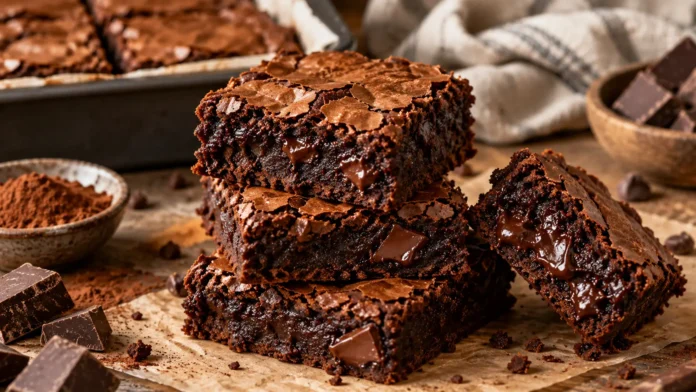
There is something irresistible about homemade brownies with soft centers, rich chocolate flavor, and a perfectly fudgy texture. Whether you enjoy them warm with ice cream or as a simple afternoon treat, brownies are among the easiest desserts to prepare at home. However, achieving that deliciously moist, dense consistency can sometimes be challenging, especially when brownies turn out dry, crumbly, or overly cakey.
Learning how to make brownies soft and fudgy requires understanding the right ingredients, mixing techniques, and baking temperatures. Small details, such as the amount of flour, quality of chocolate, and baking time, can make a noticeable difference. This guide explains how to make perfectly fudgy brownies from scratch, avoid common baking mistakes, and maintain their rich, soft texture even after storage.
What Makes Brownies Soft and Fudgy Instead of Cakey?
The secret to soft and fudgy brownies lies in the balance between fat, flour, sugar, and eggs. Fudgy brownies contain proportionally more butter and chocolate than flour, creating a dense and moist texture. Cakey brownies usually contain more flour and may include additional leavening ingredients, producing a lighter structure that resembles traditional chocolate cake.
Butter and chocolate contribute richness, while sugar helps brownies retain moisture and develop their characteristic sweetness. Eggs provide structure and help bind the ingredients together during baking. When these ingredients are combined in suitable proportions, brownies develop a tender interior that feels rich and slightly gooey without remaining completely underbaked.
Another important factor is avoiding excessive air incorporation and overbaking. Mixing too much after adding flour can encourage gluten development, creating a firmer texture. Similarly, leaving brownies in the oven until a toothpick comes out completely clean can remove too much moisture, resulting in brownies that taste more like chocolate cake than fudge.
Ingredients for Easy Soft and Fudgy Brownies
To prepare approximately 9 to 12 homemade brownies, gather 1/2 cup (113 grams) unsalted butter, 4 ounces (113 grams) semisweet or dark chocolate, and 1 cup (200 grams) granulated sugar. You will also need two large eggs and 1 teaspoon vanilla extract. These ingredients create the rich chocolate base and help develop the soft texture associated with fudgy brownies.
For the dry ingredients, measure 1/2 cup plus 2 tablespoons (75 grams) all-purpose flour, 1/4 cup (25 grams) unsweetened cocoa powder, and 1/4 teaspoon fine salt. You can also add 1/2 cup (85 grams) chocolate chips for extra richness. Accurate measurements are important because adding too much flour can make brownies dry, while excess cocoa powder may create an overly firm texture.
This easy fudgy brownie recipe is designed for an 8-inch square baking pan and does not require baking powder or baking soda. Leaving out these leavening ingredients helps create a denser consistency instead of a cake-like rise. Using good-quality chocolate and fresh ingredients will also improve the finished flavor without making the recipe complicated.
Choose the Right Chocolate, Butter, and Sugar
Choosing suitable chocolate is essential when making rich, fudgy chocolate brownies at home. Semisweet chocolate provides a balanced combination of sweetness and cocoa flavor, while darker chocolate produces a more intense taste. Chocolate bars intended for baking generally melt smoothly, making them particularly convenient when preparing a thick brownie batter.
Butter adds moisture, richness, and tenderness to homemade brownies. Unsalted butter is useful because it allows you to control the amount of salt in the recipe. Some bakers prefer browned butter for its toasted, nutty flavor, but ordinary melted butter works beautifully when your main goal is creating a simple, reliable brownie recipe.
Sugar also plays an important role in achieving a moist and chewy texture. Granulated sugar works well in this recipe and can help create a delicate, shiny crust when properly incorporated. Replacing some of the white sugar with brown sugar may introduce a deeper flavor and additional chewiness, although it can slightly change the appearance and structure.
Prepare Your Baking Pan and Oven Correctly
Before preparing your brownie batter, preheat the oven to 350°F (175°C) and position the rack near the center. Proper preheating helps the batter bake evenly from the beginning. Starting with an oven that has not reached the correct temperature can affect the brownies’ structure, baking time, and final consistency.
Use an 8-inch square metal baking pan for the most predictable results with this recipe. Line the pan with parchment paper, leaving some extra paper extending over two sides to help lift the brownies after cooling. Lightly greasing the pan before adding parchment can keep the paper in place while spreading the batter.
Pan size and material can significantly influence the finished brownie texture. A larger pan produces thinner brownies that bake more quickly, while a smaller pan creates a thicker layer requiring additional baking time. Glass and ceramic pans retain heat differently from metal, so monitor the brownies carefully if you use an alternative baking dish.
Melt Butter and Chocolate for a Rich Brownie Base
Start by chopping the chocolate into small pieces so it melts evenly with the butter. Place both ingredients in a heatproof bowl over gently simmering water, making sure the bottom of the bowl does not touch the water. Stir occasionally until the mixture becomes completely smooth, glossy, and free from visible chocolate pieces.
You can also melt butter and chocolate in the microwave using short intervals of approximately 15 to 20 seconds. Stir between each interval to distribute heat and prevent the chocolate from scorching. Stop heating when a few small chocolate pieces remain, then continue stirring until the residual warmth melts them completely.
Allow the melted mixture to cool slightly before combining it with the remaining ingredients. Extremely hot chocolate can affect the eggs when they are added, potentially creating an uneven batter. The mixture should remain fluid and comfortably warm, providing a smooth chocolate foundation for the finished brownies without overheating the other ingredients.
Mix Eggs and Sugar for a Glossy Brownie Top
Once the chocolate and butter mixture has cooled slightly, stir in the granulated sugar until reasonably well combined. The sugar may not dissolve completely at this stage, which is normal. Mixing it with the warm chocolate mixture helps distribute sweetness and supports the development of the brownies’ rich texture.
Add the eggs one at a time, mixing thoroughly after each addition, then stir in the vanilla extract. Beat the mixture until it looks smooth, glossy, and slightly thicker, but avoid unnecessary prolonged whipping. Properly incorporating the eggs helps provide structure and may encourage the thin, crackly surface that many people love on homemade brownies.
That shiny brownie crust develops through a combination of sugar, eggs, and baking conditions. Although a glossy top is attractive, it is not the only sign of successful brownies. Focus on creating a well-combined batter with consistent texture rather than assuming that every perfectly fudgy brownie must develop the same appearance.
Add Flour and Cocoa Powder Without Overmixing
In a separate bowl, combine the measured flour, cocoa powder, and salt using a whisk. This step helps distribute the dry ingredients evenly before adding them to the chocolate mixture. Breaking up visible cocoa clumps can also prevent dry pockets from remaining in the finished batter, creating a smoother chocolate flavor throughout.
Gradually fold the dry ingredients into the wet mixture using a spatula or wooden spoon. Use gentle movements until the flour disappears and the batter looks thick, smooth, and evenly combined. Avoid beating the batter aggressively because excess mixing after adding flour can encourage gluten development and make brownies tougher than intended.
If you want extra chocolate flavor, gently fold in the optional chocolate chips before transferring the batter to your prepared pan. Spread the mixture into an even layer, making sure it reaches the corners. The finished brownie batter should be relatively thick and glossy rather than thin or watery, with a rich chocolate aroma.
How Long Should You Bake Brownies to Keep Them Fudgy?
Bake the brownies at 350°F (175°C) for approximately 24 to 30 minutes, depending on your oven and baking pan. Begin checking near the lower end of the recommended time. The edges should appear set while the center remains slightly soft, without looking liquid or moving like uncooked batter.
Insert a toothpick into the center of the brownies to check their progress, avoiding any obvious melted chocolate chips. For fudgy brownies, the toothpick should come out with moist crumbs rather than completely clean. Wet, flowing batter indicates that more baking is needed, while a completely dry toothpick may suggest the brownies have baked longer than necessary.
Remember that brownies continue setting as they cool because the hot baking pan retains heat. Removing them once they are properly set but still moist helps preserve their tender interior. Oven temperatures vary, so visual appearance and the moist-crumb test are often more reliable than following baking time alone.
Cool and Cut Brownies Without Losing Their Soft Texture
Cooling brownies properly is an important step that many beginner bakers overlook. Freshly baked brownies contain melted chocolate and warm fats, making their centers delicate immediately after leaving the oven. Allow them to cool in the pan for approximately one hour before attempting to lift or slice them.
For cleaner slices, let the brownies cool completely, which may take around two hours depending on room temperature. You can then lift the entire slab using the parchment paper and transfer it to a cutting board. A sharp knife produces neater portions, especially when wiped clean between cuts to remove sticky chocolate residue.
If you prefer especially neat squares, chilling fully cooled brownies briefly can make slicing easier. However, refrigerated brownies will feel firmer because butter and chocolate solidify at lower temperatures. Allow the pieces to return toward room temperature before serving if you prefer a softer and more tender fudgy texture.
Common Mistakes That Make Brownies Dry or Cakey
One of the most common brownie baking mistakes is adding too much flour to the recipe. Scooping directly from a tightly packed flour container can produce inaccurate measurements and create an overly thick batter. Weighing flour with a kitchen scale is the most reliable method for maintaining the appropriate balance between dry ingredients and chocolate.
Overbaking is another major reason homemade brownies become hard or crumbly. Even a few additional minutes can noticeably change their texture, particularly when using a thin metal pan. Checking the brownies before the expected finishing time helps prevent unnecessary moisture loss and keeps the center pleasantly soft.
Excessive mixing and incorrect substitutions can also produce disappointing results. Adding baking powder, reducing sugar dramatically, or replacing butter with an unsuitable ingredient may change the intended structure. Follow the basic recipe closely during your first attempt, then experiment with small adjustments once you understand how the ingredients behave together.
How to Store, Reheat, and Customize Fudgy Brownies
Proper storage helps homemade fudgy brownies remain soft and flavorful after baking. Once completely cooled, place them in an airtight container and keep them at room temperature for approximately three to four days. Avoid leaving brownies uncovered because prolonged air exposure can dry their surfaces and make the edges noticeably firmer.
For longer storage, wrap individual brownies securely and place them in a freezer-safe container. They can maintain good quality for approximately two to three months when frozen properly. Allow frozen brownies to thaw before serving, or warm an individual portion briefly in the microwave using short intervals to avoid overheating and drying it out.
You can also customize this homemade brownie recipe with chopped walnuts, pecans, or additional chocolate chunks. A small sprinkle of flaky sea salt can enhance the rich chocolate flavor without making the brownies excessively sweet. For special occasions, serve slightly warmed brownies with vanilla ice cream, fresh berries, or a little chocolate sauce.
Conclusion
Learning how to make brownies soft and fudgy becomes much easier when you understand the balance between butter, chocolate, sugar, eggs, and flour. Using the correct measurements and avoiding unnecessary leavening helps create a dense, rich texture. Gentle mixing and careful baking also make a significant difference in achieving the soft brownie centers that make homemade chocolate desserts so enjoyable.
The most important baking tip is to avoid leaving brownies in the oven until they become completely firm. Look for set edges and moist crumbs when checking the center, then allow enough cooling time for the structure to develop. These simple techniques can help prevent dry, cakey brownies and create a more satisfying homemade dessert.
Whether you are baking for family gatherings, celebrations, or an everyday chocolate craving, fudgy brownies are a delicious and approachable choice. Start with the basic recipe, follow the baking instructions carefully, and experiment with your favorite additions once you feel confident. With a little practice, you can create rich, moist, and perfectly soft brownies whenever you want a homemade treat.
Frequently Asked Questions (FAQs)
1. What Is the Secret to Making Brownies Soft and Fudgy?
The secret is using enough butter and chocolate, limiting flour, and avoiding overbaking. Proper ingredient measurements and gentle mixing help create brownies with moist, dense centers rather than a dry, cakey texture.
2. How Do You Keep Brownies Moist After Baking?
Allow brownies to cool completely before storing them in an airtight container. Keep them at room temperature for a few days, or freeze individual portions to preserve their moisture and flavor longer.
3. Should Brownies Be Gooey in the Middle?
Fudgy brownies should have a moist, soft center, but they should not contain flowing, raw batter. A toothpick inserted into the middle should show moist crumbs rather than wet batter.
4. Why Do My Brownies Turn Out Hard Instead of Soft?
Brownies may become hard because of excessive flour, overbaking, or an incorrect ingredient balance. Using accurate measurements, reducing unnecessary mixing, and checking doneness early can help preserve their soft texture.
5. Is Butter or Oil Better for Fudgy Brownies?
Both butter and oil can produce fudgy brownies, but they affect flavor and texture differently. Butter provides rich flavor and a firmer cooled structure, while oil often keeps brownies softer at room temperature.