
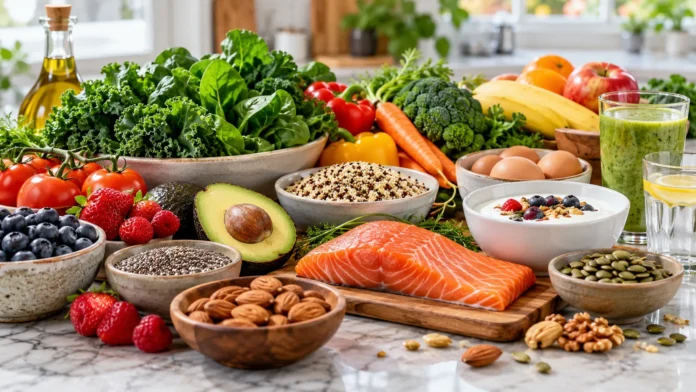
Eating healthy foods every day is one of the simplest ways to support your overall health and well-being. The foods you choose provide essential vitamins, minerals, protein, fiber, and other nutrients that help your body function properly. From fresh fruits and colorful vegetables to whole grains and nutritious proteins, a balanced diet can support energy, digestion, growth, and long-term health.
Healthy eating does not require expensive ingredients, complicated recipes, or strict food rules. Small, consistent choices can help you enjoy nutritious meals while maintaining a flexible relationship with food. This guide explores the best healthy foods to eat every day, their nutritional benefits, and practical ways to include them in your regular meals.
Why Is Eating Healthy Food Every Day Important?
Eating nutritious foods regularly helps the body receive essential nutrients needed for everyday activities and normal biological functions. Vitamins and minerals support processes such as immune function, bone health, and energy metabolism. A balanced eating pattern also provides carbohydrates, proteins, and fats that contribute to physical activity, tissue maintenance, and overall well-being throughout different stages of life.
Healthy eating can support digestive health and help maintain stable energy throughout the day. Fiber-rich foods such as vegetables, fruits, beans, and whole grains contribute to regular digestion and support beneficial gut bacteria. Combining different food groups during meals provides a wider variety of nutrients than relying heavily on a limited selection of foods.
Long-term dietary habits also influence cardiovascular health and the risk of developing certain chronic diseases. Eating a variety of nutritious foods while moderating excessive sodium and added sugars can support general health. Rather than focusing on individual superfoods, building balanced meals and maintaining consistent eating habits offers a more practical approach to everyday nutrition.
Fresh Fruits for Essential Vitamins and Natural Energy
Fresh fruits are among the healthiest foods to include regularly because they provide vitamins, minerals, water, and dietary fiber. Apples, oranges, bananas, berries, and grapes offer different nutritional benefits and flavors. Eating a variety of fruits helps provide nutrients such as vitamin C, potassium, and beneficial plant compounds that contribute to a balanced diet.
Berries, including blueberries, strawberries, raspberries, and blackberries, contain antioxidants and other naturally occurring plant compounds. Citrus fruits provide vitamin C, which contributes to normal immune function and helps the body absorb iron from plant-based foods. Bananas supply carbohydrates and potassium, making them a convenient option for breakfast, snacks, or meals throughout the day.
Whole fruits generally provide more fiber than fruit juice and can be enjoyed in numerous ways. You can add chopped fruit to oatmeal, mix berries into yogurt, or enjoy seasonal fruit alongside other foods. Frozen fruit is also a nutritious and convenient alternative when fresh produce is unavailable, expensive, or difficult to store.
Leafy Green Vegetables for Everyday Nutrition
Leafy green vegetables provide an impressive variety of nutrients while adding flavor, texture, and color to everyday meals. Spinach, kale, lettuce, collard greens, and Swiss chard contain different combinations of vitamins, minerals, and beneficial plant compounds. Many leafy greens provide vitamin K, folate, and carotenoids that contribute to normal bodily functions and support overall nutritional well-being.
Spinach is a versatile vegetable that can be included in salads, soups, sandwiches, omelets, and cooked dishes. Kale contains fiber and nutrients such as vitamins C and K, while other greens offer their own nutritional advantages. Eating different varieties helps improve dietary diversity and prevents healthy meals from becoming repetitive or difficult to enjoy.
Leafy vegetables can be prepared through steaming, sautéing, roasting, or serving them fresh when appropriate. Adding a little olive oil or another source of dietary fat can help the body absorb certain fat-soluble nutrients. Washing vegetables thoroughly and storing them properly also helps maintain food safety and preserve their freshness.
Whole Grains for Fiber and Lasting Energy
Whole grains are important sources of carbohydrates, fiber, B vitamins, and minerals that help support normal energy metabolism. Unlike refined grains, whole grains retain the bran, germ, and endosperm, preserving more of their original nutritional components. Common examples include oats, brown rice, whole wheat, barley, quinoa, and whole-grain bread or pasta.
Oats are particularly popular because they contain soluble fiber, including beta-glucan, which can help support healthy cholesterol levels. Brown rice and whole wheat products provide carbohydrates that fuel daily activities while contributing additional fiber. Quinoa also supplies protein and minerals, making it a versatile ingredient for salads, bowls, and other balanced meals.
Including whole grains does not mean eliminating refined grains or avoiding favorite foods. You can choose whole-grain bread for some sandwiches, prepare oatmeal for breakfast, or combine brown and white rice in familiar dishes. Gradually introducing more whole grains provides an approachable way to increase dietary fiber without making meals unnecessarily complicated.
Eggs as a Source of High-Quality Protein
Eggs are a convenient and versatile food that provides protein along with several important vitamins and minerals. They contain all nine essential amino acids, making them a source of complete protein. Eggs also supply nutrients such as vitamin B12, selenium, and choline, which contributes to normal cellular function and supports important processes involving the nervous system.
One reason eggs are popular in balanced diets is their flexibility across different meals and cooking methods. Boiled eggs can accompany breakfast or lunch, while scrambled eggs and vegetable omelets offer convenient meal options. Combining eggs with whole-grain toast, vegetables, or fruit provides a broader selection of nutrients and makes meals more varied.
Eggs can fit into many healthy eating patterns, although individual dietary needs and medical recommendations may differ. People with egg allergies should avoid them and select other suitable protein sources. Preparing eggs thoroughly and following appropriate food storage practices helps reduce the risk of foodborne illness while maintaining their nutritional value.
Yogurt and Dairy Foods for Bone and Digestive Health
Milk, yogurt, and cheese can provide important nutrients such as calcium, protein, phosphorus, and vitamin B12. Calcium contributes to normal bone development and maintenance, making it especially important during periods of growth. Dairy products also offer convenient ways to include protein and other nutrients in meals, snacks, and familiar everyday recipes.
Yogurt is particularly useful because certain varieties contain live bacterial cultures that may support digestive health. Plain yogurt can be combined with fresh fruit, oats, nuts, or seeds to create a nutritious breakfast or snack. When comparing products, checking ingredient lists and added sugar content can help you choose options that match your dietary preferences.
People who cannot tolerate lactose or prefer dairy-free eating have several alternative options available. Fortified soy beverages and certain fortified plant-based yogurts may provide nutrients such as calcium and vitamin B12, although nutritional content varies significantly. Choosing alternatives with appropriate fortification helps support a balanced diet without requiring everyone to consume the same foods.
Nuts and Seeds for Healthy Fats and Minerals
Nuts and seeds are nutrient-dense foods that provide unsaturated fats, plant protein, fiber, and essential minerals. Almonds, walnuts, pistachios, peanuts, pumpkin seeds, and sunflower seeds can contribute to a varied eating pattern. Their combination of nutrients makes them convenient additions to meals and snacks, particularly when paired with fruits or whole grains.
Walnuts contain alpha-linolenic acid, a plant-based omega-3 fatty acid, while almonds provide vitamin E and magnesium. Chia seeds and flaxseeds offer fiber and beneficial fats that can complement many everyday dishes. Different varieties have different nutritional strengths, so enjoying a selection can provide more variety than relying exclusively on one type.
You can sprinkle seeds over oatmeal, add chopped nuts to salads, or spread nut butter on whole-grain toast. Unsalted varieties can be helpful for people who want to moderate sodium intake. Individuals with nut or seed allergies should choose safe alternatives, and younger children should be offered age-appropriate preparations to reduce choking risks.
Beans and Lentils for Plant-Based Protein
Beans, lentils, and chickpeas are excellent examples of nutritious plant foods that provide protein, complex carbohydrates, and dietary fiber. They also contain minerals such as iron, potassium, and magnesium, depending on the variety. Including legumes regularly can contribute to digestive health and provide affordable alternatives to some animal-based protein sources.
Lentils are particularly convenient because they cook relatively quickly and work well in soups, stews, salads, and curries. Chickpeas can be roasted, added to grain bowls, or blended into hummus for a versatile meal component. Kidney beans, black beans, and other varieties also complement many traditional dishes while contributing additional nutrients.
Legumes are useful for both vegetarian and nonvegetarian diets because they can be combined with vegetables, grains, and different seasonings. Their fiber content may require gradual introduction for people who are not accustomed to eating them regularly. Proper soaking and cooking where required, especially for dried kidney beans, is important for safe preparation.
Fish for Omega-3 Fatty Acids and Protein
Fish provides high-quality protein and a variety of nutrients that can support a balanced eating pattern. Fatty fish such as salmon, sardines, trout, and herring contain omega-3 fatty acids, including EPA and DHA. These nutrients contribute to normal bodily functions and are associated with cardiovascular benefits when included as part of a healthy overall diet.
Different fish varieties supply different amounts of vitamin D, vitamin B12, selenium, and other important nutrients. Fish can be baked, grilled, steamed, or prepared in soups and rice dishes depending on personal preferences. Pairing fish with vegetables and whole grains creates balanced meals that provide several food groups and a wider range of nutrients.
Fish does not need to be eaten every day to contribute to healthy nutrition. Recommendations commonly encourage including seafood regularly while choosing varieties with lower mercury levels, particularly for children and pregnant people. Individuals who avoid fish can obtain some similar nutrients from other foods, including plant-based omega-3 sources and appropriately fortified products.
Lean Meat and Poultry for Protein and Iron
Lean meats and poultry can provide protein, iron, zinc, and B vitamins that help support normal body functions. Chicken, turkey, and lean cuts of meat are commonly included in balanced eating patterns across different cultures. Protein contributes to tissue growth and repair, while iron plays an important role in transporting oxygen throughout the body.
Chicken and turkey can be prepared through baking, grilling, roasting, or cooking in soups and stews. Combining these foods with vegetables, whole grains, and other nutritious ingredients creates varied meals. Choosing different protein sources throughout the week also helps prevent dietary monotony and supports a wider intake of important nutrients.
Although meat can be a nutritious part of a diet, it is not essential for everyone. Beans, lentils, tofu, dairy foods, eggs, and other protein sources can meet nutritional needs when appropriately combined. People who eat meat may benefit from choosing less processed options more frequently and using cooking methods that do not rely heavily on added salt.
Colorful Vegetables for Antioxidants and Fiber
Eating vegetables of different colors helps introduce a wider variety of vitamins, minerals, and plant compounds into everyday meals. Carrots, tomatoes, bell peppers, broccoli, pumpkin, and beetroot each offer distinct nutritional benefits. Their natural colors often reflect different pigments and compounds, although no single color provides every nutrient the body requires.
Orange vegetables such as carrots and pumpkin contain carotenoids, some of which the body converts into vitamin A. Tomatoes provide lycopene, while broccoli contributes vitamin C, vitamin K, and fiber. Red and yellow bell peppers also provide vitamin C and can be enjoyed raw or cooked in numerous dishes.
You can add colorful vegetables to stir-fries, pasta dishes, soups, sandwiches, and homemade salads. Roasting vegetables with herbs and olive oil can improve flavor and create appealing textures without complicated preparation. Frozen and canned vegetables are also practical choices, particularly when fresh produce is expensive or seasonal, and can contribute valuable nutrients to meals.
Avocados and Olive Oil for Unsaturated Fats
Healthy dietary fats support cell function, provide energy, and help the body absorb fat-soluble vitamins. Avocados and olive oil are popular sources of unsaturated fats that can fit into a balanced eating pattern. These foods also add flavor and texture to meals, making nutritious dishes enjoyable without requiring restrictive eating habits.
Avocados provide monounsaturated fats, fiber, potassium, and other nutrients that complement vegetables, grains, and protein sources. They can be added to sandwiches, salads, toast, and homemade dips. Olive oil is commonly used in Mediterranean-style cooking and works well in salad dressings, vegetable dishes, and many everyday recipes.
Replacing some sources of saturated fat with unsaturated fats can contribute to heart-healthy dietary patterns. However, healthy eating involves considering the overall balance of foods rather than judging individual ingredients as entirely good or bad. Using a variety of nutritious fat sources, including nuts and seeds, can help create satisfying and enjoyable meals.
Sweet Potatoes and Other Nutritious Root Vegetables
Sweet potatoes are nutritious root vegetables that provide complex carbohydrates, fiber, potassium, and beta-carotene. The body can convert beta-carotene into vitamin A, which supports normal vision and immune function. Sweet potatoes are also versatile, making them suitable for roasted dishes, soups, mashed preparations, and a variety of family meals.
Regular potatoes, carrots, turnips, and beetroot also provide valuable nutrients when included in balanced meals. Potatoes contain potassium and vitamin C, while beetroot supplies folate and naturally occurring plant compounds. These foods demonstrate that nutritious eating includes many familiar vegetables rather than relying only on expensive or unusual ingredients.
Root vegetables can be prepared through baking, steaming, boiling, or roasting with herbs and seasonings. Keeping edible skins when appropriate may help preserve some dietary fiber and nutrients. Pairing root vegetables with proteins and other vegetables creates satisfying meals that deliver carbohydrates alongside a broader range of essential nutrients.
How to Build Balanced Meals Using Healthy Foods
A balanced meal generally includes a mixture of vegetables or fruits, carbohydrate-rich foods, protein sources, and some dietary fat. For example, grilled chicken, brown rice, and cooked vegetables provide several important nutrients in one meal. Another option is a chickpea salad with whole-grain bread and olive oil dressing, offering plant-based protein, fiber, and healthy fats.
Breakfast can include oatmeal with fruit and yogurt, eggs with vegetables, or whole-grain toast with nut butter. Lunch and dinner can feature beans, fish, poultry, tofu, vegetables, and grains in different combinations. Choosing foods that are accessible, affordable, culturally familiar, and enjoyable makes it easier to maintain varied eating habits over time.
Healthy meal planning should remain flexible because nutritional needs differ according to age, activity, health conditions, and personal circumstances. Regular meals and satisfying snacks can help maintain energy throughout the day. Rather than following rigid food rules, focusing on variety, consistency, and enough nourishment provides a practical foundation for sustainable healthy eating.
Affordable Ways to Eat Healthy Every Day
Healthy food does not always require expensive grocery purchases or specialized ingredients. Seasonal vegetables, locally available fruits, dried beans, lentils, oats, and other staple foods can provide substantial nutritional value. Planning meals around accessible ingredients helps households prepare varied dishes while managing grocery expenses and reducing unnecessary food waste.
Buying frozen vegetables and fruit can be a practical alternative when fresh produce is costly or unavailable. Canned beans, tomatoes, and other shelf-stable foods also make healthy meal preparation easier during busy weeks. Comparing unit prices, using leftovers safely, and preparing meals at home can help make everyday nutritious eating more affordable.
Simple recipes often provide excellent nutrition without requiring complicated cooking techniques or lengthy ingredient lists. Vegetable soups, lentil curries, rice bowls, and homemade sandwiches can combine several food groups in convenient ways. Keeping a selection of reliable staple ingredients available helps people prepare satisfying meals even when time, energy, or shopping opportunities are limited.
Healthy Eating Habits That Support Long-Term Wellness
Developing healthy eating habits involves creating routines that support adequate nourishment, enjoyment, and consistency. Eating a variety of foods throughout the week helps provide different nutrients without requiring every meal to be perfectly balanced. Paying attention to hunger, fullness, and daily energy needs can also support a more comfortable relationship with food.
Hydration is another important part of everyday wellness because water supports circulation, temperature regulation, digestion, and other essential functions. Drinking water regularly and including water-rich foods such as fruits and vegetables can contribute to fluid intake. Individual hydration needs vary with physical activity, climate, health conditions, and other personal factors.
Long-term healthy eating works best when it allows room for flexibility and personal preferences. Favorite foods, traditional family meals, and occasional treats can coexist with nutritious daily choices. Instead of constantly changing diets or following restrictive trends, developing enjoyable routines around balanced meals can support physical health and emotional well-being.
Conclusion
Choosing healthy foods to eat every day can support energy, digestion, bone health, and overall wellness. Fruits, vegetables, whole grains, legumes, nuts, seeds, and varied protein sources provide essential nutrients that contribute to normal body functions. Including different food groups regularly helps build a balanced eating pattern without depending on individual superfoods or complicated dietary rules.
Healthy eating becomes easier when meals are based on accessible ingredients and familiar recipes. Simple choices such as adding vegetables to lunch, enjoying fruit with breakfast, or including beans in dinner can improve dietary variety. Planning meals, drinking enough water, and choosing different nutritious foods throughout the week can help create consistent and enjoyable habits.
The goal of everyday healthy eating is to nourish your body while maintaining a positive and flexible relationship with food. There is no single perfect menu that works for everyone, and individual nutritional needs naturally differ. Focusing on variety, satisfaction, and sustainable routines offers a practical way to support long-term health and everyday well-being.
Frequently Asked Questions (FAQs)
1. What Are the Healthiest Foods to Eat Every Day?
Healthy everyday choices include fruits, vegetables, whole grains, beans, nuts, seeds, and varied protein sources. Eating a combination of these foods helps provide essential vitamins, minerals, fiber, and other nutrients.
2. Is It Healthy to Eat the Same Foods Every Day?
Eating familiar foods regularly can be healthy, but dietary variety helps provide a broader range of nutrients. Including different fruits, vegetables, grains, and protein sources throughout the week supports balanced nutrition.
3. What Are the Best Healthy Foods for Breakfast?
Nutritious breakfast options include oatmeal, eggs, yogurt, fruit, whole-grain toast, and nut butter. Combining carbohydrates, protein, and fiber can create a satisfying meal that supports daily energy needs.
4. Can You Eat Healthy Food on a Small Budget?
Yes, affordable foods such as lentils, beans, oats, seasonal vegetables, eggs, and frozen produce can provide valuable nutrition. Simple meal planning and using available staple ingredients help make healthy eating accessible.
5. How Can I Start Eating Healthier Every Day?
Start by adding more variety to familiar meals, including fruits and vegetables regularly, and choosing nutritious foods you enjoy. Focus on gradual, sustainable habits rather than strict restrictions or complicated diet plans.