
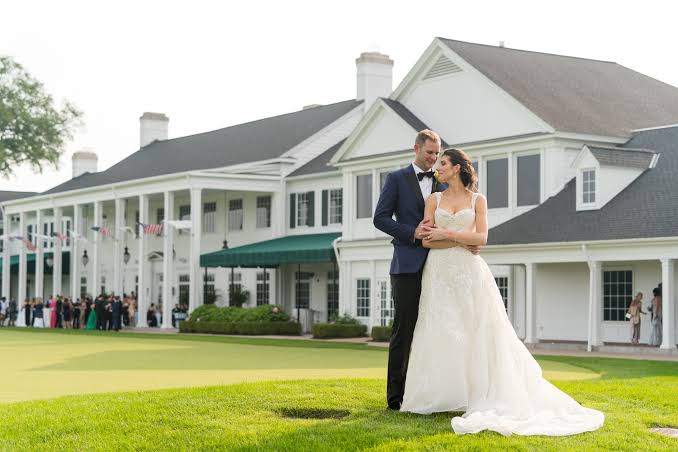
Wedding photographs become more varied when a venue offers distinct landscapes and architectural settings within one property. An Oakland country club may feature wooded surroundings, rolling golf-course terrain, and historic architecture, giving photographers several distinctive backgrounds. Indoor event rooms add another visual setting, while flexible layouts provide different compositions throughout the celebration. Here are some ways a country club helps create aesthetic wedding photos:
Use Natural Backdrops
Wooded surroundings add depth to wedding portraits, especially when tall trees form a layered background. Dense vegetation provides texture, while natural openings give photographers space for wider compositions. Couples photographed among mature trees receive images that differ significantly from formal indoor portraits. In outdoor ceremony photos, the surrounding landscape becomes part of the composition.
Natural backgrounds also provide useful contrast for wedding attire and floral arrangements. Light-colored clothing stands out against darker foliage, while flowers add controlled visual accents. Photographers can vary their distance from the trees, which creates differences between intimate portraits and full-body compositions.
Tree-lined areas also work well for photographs that capture movement between wedding events. Couples walking toward a ceremony location create natural compositions, and stationary portraits provide greater control over framing. Photographers can use pathways and openings between trees to create leading lines through an image. Those features add visual structure without requiring decorative backdrops or temporary installations.
Showcase Country Club Landscapes
Rolling golf-course terrain creates broad compositions that place couples within an expansive outdoor setting. Elevation changes add depth, and open fairways create clean horizontal lines behind wedding portraits. An Oakland country club that features panoramic views gives photographers wider compositions that incorporate the surrounding landscape. Elevated areas create distant backgrounds, while lower positions emphasize the surrounding terrain and vegetation. Photographers also gain opportunities to frame couples against changing portions of the property as the wedding progresses. Those variations help create a gallery with different perspectives rather than repeated portrait backgrounds.
Highlight Historic Architecture
Historic architecture gives wedding photography a structured alternative to natural landscapes. Spanish Colonial-style elements provide defined lines and distinctive details for formal portraits. Doorways, walls, and exterior architectural features also create controlled backgrounds for wedding-party photographs. Indoor areas offer additional options when outdoor photography doesn’t fit the schedule.
Architectural settings become particularly useful for photographs involving formal attire and family groups. Structured backgrounds reduce visual distractions, and architectural details help establish the venue’s character and setting. Couples can also use entrances and transitional areas for photographs that connect indoor celebrations with outdoor portraits. Each setting contributes a different visual character to the final collection.
Create Varied Photo Settings
Flexible indoor and outdoor spaces give photographers more opportunities to change compositions throughout the wedding. Indoor room arrangements impact the placement of tables, guests, and reception details, while outdoor areas offer broader perspectives. Catering setups also create opportunities to photograph plated meals, buffets, and carefully arranged dining spaces. Bar areas provide another setting for documenting cocktail-hour details and guest interactions.
Lighting varies when a wedding venue combines wooded areas, open landscapes, and indoor rooms. Tree-covered locations receive different light from open fairways, and interior spaces depend on available windows and fixtures. A venue walkthrough helps photographers identify how those lighting conditions change throughout the scheduled events. Discuss preferred portrait locations with the venue team before finalizing the photography timeline.
Coordinate Photography Details
Wedding photography becomes more organized when venue layouts align with the day’s event sequence. An experienced event team also coordinates room setups, catering, and timing, which helps photographers anticipate available settings. These details support photographs that document the celebration without relying entirely on posed portraits. Venue elements that may add variety to a wedding photography plan include:
- Ceremony areas: Provide settings for processional, vows, and group photographs.
- Reception tables: Create opportunities for detailed images before guests enter the room.
- Cocktail spaces: Capture beverages, décor, and guest interactions during transitions.
- Clubhouse entrances: Use these as structured locations for formal portraits and wedding-party images.
- Outdoor paths: Create natural movement photographs between the ceremony and reception locations.
Explore Oakland Country Club Wedding Venues
Photographic variety depends partly on which venue spaces are used throughout the wedding. A couple who plans portraits around changing backgrounds gets a broader visual record than one who repeatedly uses a single location. Lighting, guest movement, ceremony timing, and reception setup also influence which spaces work well at particular times. Schedule a venue walkthrough with the photography team and identify preferred locations before your wedding day at an Oakland country club.