
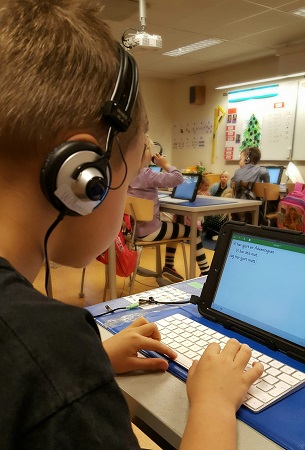
Introduction to Technology in Education
The integration of technology in education has become a pivotal development in modern classrooms, impacting teaching and learning processes on multiple levels. The concept of technology in education encompasses a wide range of tools, methodologies, and resources designed to enhance the educational experience for both educators and students. As digital literacy becomes an essential skill, educational institutions are increasingly adopting various technologies to equip learners for the demands of the contemporary world. Various technologies have been incorporated into classrooms, ranging from interactive whiteboards and educational software to digital textbooks and online learning platforms. These innovations facilitate a more engaging and interactive learning environment. For instance, interactive whiteboards allow teachers to present information dynamically, engaging students in a visual and tactile manner that traditional chalkboards cannot match. Meanwhile, digital textbooks offer up-to-date information, allowing students to access a wealth of resources on-demand.
Moreover, online learning platforms and educational apps provide opportunities for personalized learning, catering to diverse learning styles and paces. Students can benefit from resources tailored to their individual needs, allowing for a more inclusive educational approach. This trend towards personalized education is complemented by data analytics, which can provide educators with valuable insights into students’ progress and areas requiring additional support.
As technology continues to evolve, its role in education will likewise expand. From virtual reality experiences that immerse students in historical events to artificial intelligence that can assist in grading, the potential applications are extensive. This blog post will delve deeper into the specific ways technology is transforming classrooms and the implications these changes hold for the future of education.
Benefits of Technology in the Classroom
In recent years, technology has become an integral part of educational settings, fundamentally transforming how learning occurs. One of the primary benefits of technology in the classroom is enhanced engagement. Traditional teaching methods may often fail to captivate students’ attention. However, with the integration of digital tools such as interactive whiteboards, smartphones, and educational software, instructors can foster a more dynamic learning environment that encourages student participation and enthusiasm for the subject matter.
Moreover, technology facilitates personalized learning experiences, allowing educators to tailor instructions to meet the diverse needs and learning styles of their students. Through adaptive learning platforms, students can work at their own pace, grasping concepts thoroughly before moving on to advanced topics. This individualized approach not only enhances comprehension but also boosts students’ self-esteem and motivation.
Accessibility is another vital advantage of classroom technology. Technological advancements have made it possible for all students, including those with disabilities, to access educational resources. For instance, screen readers and speech recognition software enable students with visual or physical impairments to engage with course materials independently. This inclusivity fosters an equitable learning atmosphere.
Additionally, technology enhances collaboration among peers, which is crucial for developing critical thinking and teamwork skills. Tools such as online discussion forums, collaborative documents, and virtual meeting platforms allow students to connect and work together efficiently, even from different locations. This collaborative environment promotes the exchange of ideas, encourages dialogue, and prepares students for real-world scenarios.
In summary, the benefits of integrating technology into the classroom are manifold, ranging from enhanced engagement and personalized learning to increased accessibility and improved collaboration among students. Adopting these technological innovations not only enriches the educational experience but also prepares students for a more interconnected world.
Emerging Technologies in Education
The landscape of education is rapidly evolving due to the integration of emerging technologies that enhance learning experiences and improve educational outcomes. Among the most transformative advancements are virtual reality (VR) and augmented reality (AR), which offer immersive learning opportunities. VR allows students to explore new environments, experience historical events, or grasp complex scientific concepts in a controlled virtual setting. AR, on the other hand, overlays digital information onto real-world contexts, facilitating interactive and engaging learning experiences.
Artificial intelligence (AI) has also made significant inroads in education. AI enhances personalized learning by assessing individual student performance, adapting coursework to meet unique needs, and providing real-time feedback. This technology aids educators in identifying students who may need additional support, fostering an environment conducive to tailored learning. Furthermore, AI-driven educational applications can help streamline administrative tasks, allowing teachers to concentrate on classroom instruction.
Educational apps are becoming essential tools in the modern classroom. These applications cater to diverse learning styles and empower students to learn at their own pace. With subjects spanning from mathematics to language arts, these apps engage students through interactive activities that promote critical thinking and problem-solving skills. Cloud computing further complements these technologies by providing seamless access to educational resources and collaborative tools for both students and educators. Through cloud platforms, teachers can share course materials, facilitate group projects, and maintain open communication, irrespective of location.
In summary, the integration of VR, AR, AI, educational apps, and cloud computing is reshaping the educational landscape. These technologies not only enhance student engagement but also promote personalized and collaborative learning environments, ultimately revolutionizing the way education is delivered and experienced.
Challenges of Implementing Technology in Classrooms
The integration of technology in classrooms presents various challenges that schools and educators must navigate to realize its full potential. One significant hurdle is budget constraints. Many schools struggle to allocate sufficient funds for the necessary hardware, software, and ongoing maintenance required for effective technological implementation. Budget limitations can result in outdated equipment or insufficient resources that hinder the teaching and learning process. Moreover, navigating funding sources such as grants or government programs can be time-consuming and complex.
Another critical challenge lies in the training needs of teachers. While many educators recognize the importance of technology, not all possess the skills required to effectively incorporate it into their teaching practices. Professional development programs are essential, but they often require additional funding and time commitments that may not align with school schedules. Additionally, the varying levels of technological proficiency among teachers can lead to disparities in the quality of instruction, as those more comfortable with technology may utilize it extensively, whereas others may remain hesitant or unsure.
Furthermore, potential distractions for students pose another obstacle to effective technology integration. The presence of devices such as laptops and tablets can sometimes lead to distractions, as students may be tempted to access non-educational content during lessons. Ensuring that technology enhances learning rather than detracts from it requires careful planning and the establishment of clear guidelines around appropriate use. Educators must devise strategies to minimize distractions and encourage students to engage positively with the technological tools at their disposal.
As schools proceed with technology adoption, these challenges necessitate concerted efforts from administrators, teachers, and policymakers to develop solutions that facilitate the effective integration of technology in classrooms.
Case Studies: Successful Integration of Technology
Across the globe, numerous educational institutions have embraced technology as a pivotal component of modern learning environments. One standout example is McKinsey High School in Chicago, which introduced a program called the “Flipped Classroom”. In this model, traditional homework is replaced with instructional videos, allowing students to learn new content at home and engage in hands-on activities during class time. This innovative approach has led to a remarkable 20% increase in student engagement and a significant improvement in overall test scores.
Moreover, in the state of Virginia, the Chesapeake City Public Schools district implemented an initiative utilizing personalized learning platforms such as DreamBox and IXL. These online tools adapt to the individual learning paces and styles of students, providing tailored educational experiences. This strategic integration of technology has resulted in enhanced math proficiency scores, showcasing that personalized education facilitated by technology can yield considerable progress.
Another notable case is the Los Angeles Unified School District, which embarked on a district-wide initiative to incorporate tablets into classrooms. Teachers were trained to use various applications effectively, allowing students to explore and create content using digital tools. This transition fostered a more collaborative and interactive learning atmosphere. Evaluations conducted after the implementation revealed that students demonstrated improved digital literacy skills, as well as a heightened enthusiasm for learning as they engaged with the technology.
These case studies illuminate the transformative impact technology can have on educational frameworks. By aligning technological tools with effective pedagogical strategies, schools are not only enhancing academic performance but are also preparing students for a digitally driven future. As seen in these examples, the successful integration of technology into classrooms fosters an engaging learning environment and cultivates the skills necessary for success in the 21st century.
The Role of Teachers in a Tech-Driven Classroom
In the rapidly evolving landscape of education, the role of teachers in technology-enhanced classrooms is undergoing significant transformation. With the introduction of advanced educational technologies, the traditional paradigms of teaching and learning are being challenged, leading to a need for educators to adapt and evolve their practices to meet the demands of modern learners.
One of the primary skills educators must cultivate is technological proficiency. Teachers are now required not only to be familiar with digital tools such as interactive whiteboards, learning management systems, and educational apps but also to effectively integrate these resources into their instruction. This entails embracing a shift from delivering content to facilitating learning experiences that foster critical thinking and collaboration among students.
Moreover, pedagogical approaches are shifting in response to these new technologies. The focus is increasingly on student-centered learning, where teachers serve as guides and mentors rather than sole providers of knowledge. In a tech-driven environment, instructors are encouraged to employ diverse teaching methodologies that leverage technology to encourage exploration, creativity, and engagement. Blended learning environments, for example, combine online resources with face-to-face teaching, allowing personalized learning experiences tailored to individual student needs.
To navigate this dynamic landscape effectively, continuous professional development is essential for educators. Schools must prioritize training and support for teachers to build their confidence and competence in using technology. Investing in professional learning communities and workshops equips educators with the latest pedagogical strategies and technology tools, enabling them to stay relevant and effective in their teaching practices.
Ultimately, as technology reshapes classroom dynamics, the evolving role of teachers becomes crucial in guiding students through this transformation. By embracing technological advancements and adapting their methodologies, educators can significantly enhance the learning experience, preparing students for a future where technological literacy is paramount.
Student Perspectives on Technology in Learning
In recent years, the integration of technology in educational environments has dramatically reshaped how students engage with learning materials and interact with their instructors. To better understand this shift, we conducted a series of surveys and interviews with students from various educational backgrounds. Many students expressed a positive sentiment regarding the use of technology in their daily learning routines.
One of the most prominent themes that emerged was the increased accessibility of information. A significant number of participants highlighted that technology allows them to conveniently access a wealth of resources beyond traditional textbooks. They noted that multimedia content, such as videos, podcasts, and interactive simulations, enhances their understanding of complex subjects. For instance, students emphasized how visual aids help in grasping intricate scientific concepts, leading to a more engaging learning experience.
Moreover, students reported a growing tendency towards collaborative learning facilitated by technology. The use of platforms like Google Classroom, Microsoft Teams, and other educational apps has made it easier for them to communicate and work with their peers on group assignments, regardless of geographical limitations. This collaborative approach not only enriches their learning experience but also cultivates skills such as teamwork and communication, which are essential in today’s workforce.
However, student responses were not without concerns. Some reported challenges like technological distractions, especially with the prevalence of social media and games on personal devices. Additionally, there was a sentiment that reliance on technology may inadvertently diminish critical thinking skills, as students sometimes favor quick searches for information over deep analytical engagement with the material.
Overall, the insights gathered reflect a mixed but predominantly positive outlook on the role of technology in education, underscoring its importance in enhancing engagement and providing new opportunities for collaborative learning.
Future Trends in Educational Technology
As we look ahead, the potential innovations in educational technology promise to significantly enhance the way students learn and teachers instruct. One of the most exciting trends is the integration of artificial intelligence (AI) in personalized learning. AI systems can analyze individual student performance and adapt learning materials to meet specific needs, fostering an inclusive education environment. This personalized approach has the potential to ensure that every student receives the support they require to thrive academically.
Furthermore, advancements in learning analytics will play a crucial role in shaping the classroom experience. By leveraging big data, educators can gain insights into student engagement, learning patterns, and overall performance. This data-driven approach allows for informed decision-making, enabling educators to identify at-risk students early and implement tailored interventions to support their learning journey.
Moreover, the incorporation of more interactive technologies is set to transform the traditional classroom into an engaging and dynamic learning space. Technologies such as augmented reality (AR) and virtual reality (VR) are being increasingly adopted to create immersive learning experiences. For instance, students can explore historical sites or conduct virtual science experiments, enhancing their understanding of complex concepts through experiential learning.
In addition, collaborative tools that support remote and hybrid learning are expected to evolve further. These platforms not only facilitate communication but also foster teamwork and peer-to-peer interactions among students, regardless of their location. As such, the future of educational technology appears to be increasingly geared towards creating versatile, interactive, and personalized learning environments.
Conclusion: Embracing Change in Education
The integration of technology in educational settings has fundamentally altered how educators approach teaching and how students engage with learning materials. As we have discussed, tools such as digital platforms, interactive software, and online resources create an enriched learning environment that fosters collaboration and accessibility. These advancements not only cater to diverse learning styles but also equip students with the essential skills needed in a technology-driven world.
However, the implementation of technology is not devoid of challenges. Educators and administrators must navigate issues such as digital equity, the importance of teacher training, and the ongoing need for effective pedagogical strategies that utilize technology to enhance learning outcomes. It is imperative to ensure that technology serves as a supplement to, rather than a replacement for, effective teaching practices.
Moreover, the role of policymakers is crucial in establishing a framework that supports technological integration in education. This includes investing in infrastructure, creating policies that promote innovative teaching practices, and providing ongoing professional development for educators. By creating an environment that encourages experimentation with new technologies, schools can foster a culture of continuous improvement.
In conclusion, embracing change in education through technology not only enhances the academic experience but also prepares students for future challenges. Stakeholders, including educators, administrators, and policymakers, must work collaboratively to integrate technology in a manner that prioritizes effective and engaging teaching and learning. The journey towards a technologically enriched educational landscape is ongoing, and an open-minded approach will yield the most significant benefits for future generations.