
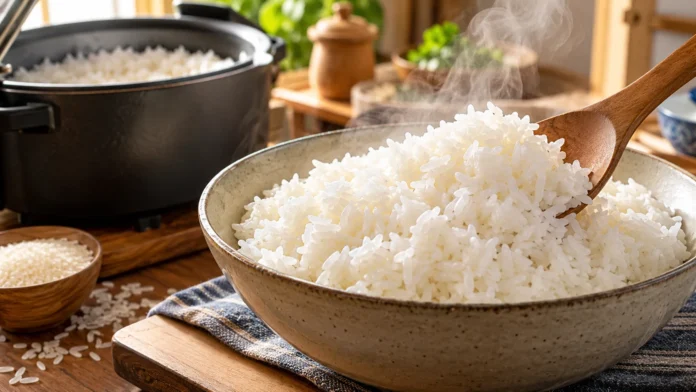
Why Cooking Rice Perfectly Can Be Tricky
Rice looks simple to prepare, yet small mistakes can quickly turn it sticky, mushy, dry, or unevenly cooked. The final texture depends on the type of rice, water ratio, cooking temperature, pot size, and resting time. Once you understand how these factors work together, cooking fluffy rice becomes much more consistent and far less stressful.
One of the biggest reasons rice goes wrong is that people use the same cooking method for every variety. Long-grain rice, basmati, jasmine, brown rice, and short-grain rice all absorb water differently. Adjusting the amount of liquid and cooking time according to the grain gives you much better control over the finished texture.
The good news is that perfect rice does not require expensive equipment or advanced cooking skills. A basic saucepan with a tight-fitting lid is enough for excellent results. By rinsing properly, measuring carefully, controlling the heat, and allowing the rice to rest, you can prepare tender, separate grains almost every time.
Choose the Right Type of Rice
Different varieties of rice produce different textures, flavors, and aromas, so selecting the right one matters. Basmati rice is known for long, separate grains and a fragrant aroma, while jasmine rice becomes slightly softer and more aromatic. Long-grain white rice is versatile and works well with many everyday meals, from curries to grilled dishes.
Short-grain and medium-grain rice naturally contain more starch, which makes them softer and stickier after cooking. These varieties are commonly used in dishes where the grains are expected to hold together. Brown rice keeps its outer bran layer, giving it a nuttier flavor, firmer texture, and longer cooking time than regular white rice.
Always check the package if you are unfamiliar with a specific variety because processing methods can affect cooking requirements. Parboiled rice, converted rice, and quick-cooking rice may need different amounts of water. Understanding the grain you are using is the first step toward getting the texture you actually want.
Measure the Rice and Water Carefully
The rice-to-water ratio has a major influence on the final result. Too much water can make the grains soft and mushy, while too little can leave them hard or undercooked. Measuring with the same cup for both ingredients helps maintain consistency and makes it easier to repeat successful results.
A common starting point for many white rice varieties is about one part rice to one and a half parts water. However, some grains may need slightly more or less depending on their shape, age, and how they were processed. Basmati often needs less water than softer short-grain varieties when cooked in a covered saucepan.
After finding a ratio that works with your preferred rice and cookware, make a note of it. Even small differences in pot size, burner strength, and rice brand can affect moisture loss. Consistent measuring allows you to adjust gradually instead of guessing every time you prepare a new batch.
Rinse Rice Before Cooking
Rinsing rice removes loose surface starch that can make cooked grains excessively sticky or gummy. Place the rice in a bowl or fine strainer and rinse it under cool water, gently moving the grains with your fingers. Continue until the water becomes noticeably clearer, usually after several rinses depending on the variety.
This step is especially useful for long-grain rice, basmati, and jasmine when you want separate, fluffy grains. Washing away excess starch reduces the chance that the individual grains will clump together during cooking. Be gentle while rinsing because aggressive rubbing can break delicate grains and affect their final appearance.
Not every rice dish requires extensive rinsing, particularly recipes that rely on starch for a creamy texture. However, for simple steamed or boiled rice, rinsing is usually a helpful habit. After washing, drain the grains well so extra water does not accidentally change the carefully measured cooking ratio.
Soak Rice When Appropriate
Soaking can improve the texture of certain rice varieties, especially basmati. Allowing the grains to sit in water before cooking helps them absorb some moisture gradually. This can encourage longer, more evenly cooked grains while reducing the amount of time they need to remain over direct heat.
For basmati rice, soaking for around twenty to thirty minutes is often enough to make a noticeable difference. Drain the soaked grains thoroughly before adding your measured cooking water. Because the rice has already absorbed some moisture, you may need slightly less liquid than you would use for completely dry grains.
Soaking is optional for many everyday white rice varieties, so do not assume it is always necessary. Brown rice may also benefit from soaking, particularly if you want to shorten its longer cooking time. The most important point is to follow one consistent method so you can learn how your preferred rice behaves.
Use the Right Pot and Lid
A medium saucepan with a heavy base is ideal because it distributes heat more evenly and reduces the chance of scorching. The pot should be large enough to allow the rice to expand without boiling over. A saucepan that is too wide may allow water to evaporate too quickly before the grains finish cooking.
A tight-fitting lid is equally important because rice cooks partly through trapped steam. If too much steam escapes, the top layer may remain dry while the bottom cooks too quickly. Avoid using a lid that leaves large gaps, especially when preparing rice with the absorption method where nearly all the measured water should stay inside.
Try not to lift the lid repeatedly while the rice cooks. Every time you open the pot, heat and steam escape, changing the carefully controlled environment. A clear glass lid can be useful because it lets you check the cooking process without disturbing the steam inside the saucepan.
Bring the Water to a Boil Correctly
Start by placing the measured rice and water in the saucepan, along with salt if desired. Some cooks prefer to boil the water before adding rice, while others heat everything together. Both methods can work, but using the same approach each time helps you understand exactly how long your rice needs.
Once the liquid reaches a steady boil, stir the rice gently once to make sure nothing is sticking heavily to the bottom. Avoid repeated stirring because movement releases additional starch and may make the grains gummy. After that initial stir, cover the saucepan and immediately reduce the burner to very low heat.
Lowering the temperature at the correct moment is essential. Rice needs gentle simmering rather than aggressive boiling once the lid goes on. High heat can evaporate water too quickly, burn the bottom, and cause the grains to break apart, while controlled heat allows them to absorb moisture gradually and cook evenly.
Cook Rice on Low Heat Without Disturbing It
After covering the pot, leave the rice alone while it cooks. Constant checking, stirring, or lifting the lid can interfere with steam and make the temperature inconsistent. Letting the grains cook undisturbed gives them time to absorb moisture evenly and reduces the chance of ending up with a sticky or broken texture.
Many white rice varieties cook in roughly fifteen to twenty minutes, although exact timing can vary. Brown rice usually takes considerably longer because its outer bran layer slows water absorption. Instead of relying only on a universal cooking time, learn the approximate timing for the specific rice variety you use most frequently.
If you notice water disappearing before the grains become tender, your heat may be too high or your water ratio may be too low. Add only a small amount of hot water if necessary. Large additions can suddenly turn nearly finished rice into a soft, waterlogged mixture that takes longer to recover.
Let the Rice Rest After Cooking
Resting is one of the simplest steps for improving cooked rice, yet it is often skipped. When the cooking time ends, turn off the heat but leave the lid firmly in place. Allow the rice to sit undisturbed for approximately ten minutes so the remaining steam can distribute throughout the pot.
During this resting period, moisture becomes more evenly balanced between the grains. Rice near the bottom has time to release some trapped steam, while slightly drier grains near the top absorb additional moisture. This short pause often makes the difference between wet, uneven rice and a light, fluffy finished texture.
Do not rush to serve the rice as soon as the burner is turned off. Even though the grains may already appear cooked, they continue settling inside the covered saucepan. Resting also makes the rice easier to fluff because the grains become firmer and less likely to break when handled.
Fluff Rice the Right Way
Once the rice has rested, remove the lid and gently fluff it with a fork or rice paddle. Lift and separate the grains rather than stirring them in circles. This releases trapped steam and prevents the rice from becoming compacted into a dense layer at the bottom of the pot.
A fork works particularly well for long-grain varieties because its narrow tines separate grains without crushing them. For softer varieties, a rice paddle or wide spoon may be gentler. Whatever tool you use, avoid aggressive mixing, especially while the grains are still very hot and more likely to break.
Serve the rice soon after fluffing if you want the best texture. If it needs to sit briefly, keep it loosely covered so it stays warm without collecting excessive condensation. Proper fluffing gives the rice a lighter appearance and makes it easier to portion alongside vegetables, curries, meat, or other main dishes.
Add Flavor Without Ruining the Texture
Plain water produces simple rice, but you can add flavor without changing the basic cooking technique. Replace some or all of the water with a suitable broth for a richer taste. A small amount of butter, oil, or salt can also improve flavor while helping the individual grains feel slightly more separated.
Whole spices can create aromatic rice without requiring complicated preparation. Depending on the meal, you might add cardamom, cinnamon, bay leaves, cumin, or other seasonings before cooking. Remove large whole spices before serving if necessary so diners can enjoy the flavor without unexpectedly biting into a strong piece of seasoning.
Fresh herbs, lemon juice, toasted nuts, or cooked vegetables are usually best added after the rice finishes cooking. Mixing these ingredients in during the final fluffing stage preserves their freshness and texture. Start with simple additions so the rice complements the rest of the meal rather than competing with stronger flavors on the plate.
Fix Common Rice Cooking Problems
If your rice turns out mushy, you probably used too much water, cooked it too long, or stirred it excessively. Remove the lid and allow some steam to escape for a few minutes. Spreading the rice gently on a wide plate can also help excess moisture evaporate more quickly without further cooking the grains.
Dry or crunchy rice usually means it did not receive enough water or cooking time. Add a few tablespoons of hot water, cover the saucepan again, and warm it gently for several more minutes. Let it rest afterward so the added steam can soften the remaining firm grains without making the bottom overly wet.
Burnt rice usually results from excessive heat or a thin saucepan. If only the bottom has burned, avoid scraping it into the good rice above. Transfer the unburned portion carefully to another container, then adjust your burner temperature or cookware the next time so the heat stays gentle and evenly distributed.
Conclusion
Cooking rice perfectly every time becomes much easier when you focus on a few reliable habits. Choose the correct variety, rinse when appropriate, measure the water carefully, and use a saucepan with a tight lid. These basic steps create the right conditions for grains to cook evenly without becoming excessively sticky or dry.
Heat control and patience are equally important. Once the water boils, reduce the temperature, leave the lid closed, and allow the rice to cook without unnecessary stirring. Afterward, give it time to rest so the steam can finish its work before you gently fluff and serve the grains.
With practice, you will learn exactly how your preferred rice behaves with your cookware and stove. Small adjustments to water, timing, or heat can help you achieve the texture you enjoy most. Once your method is consistent, fluffy and tender rice can become one of the easiest parts of everyday cooking.
FAQs
What is the best rice-to-water ratio?
For many long-grain white rice varieties, about one cup of rice to one and a half cups of water is a useful starting point. Adjust slightly depending on the specific rice and cooking method.
Should rice always be rinsed before cooking?
Rinsing is helpful for most plain white, jasmine, and basmati rice because it removes loose surface starch. However, some recipes intentionally keep the starch, so the best approach depends on the dish.
Why does my rice become mushy?
Mushy rice usually comes from using too much water, cooking too long, or stirring frequently. Measure carefully, reduce the heat after boiling, and allow the rice to cook undisturbed under a tight lid.
How long should rice rest after cooking?
Let cooked rice rest for about ten minutes with the lid still on. This allows moisture and steam to redistribute, helping the grains become more evenly cooked, firmer, and easier to fluff.
Can I cook rice without a rice cooker?
Yes. A saucepan with a tight-fitting lid can produce excellent rice. Careful measuring, low heat, minimal stirring, and proper resting are more important than using specialized equipment.