
Introduction to Marketing Funnels
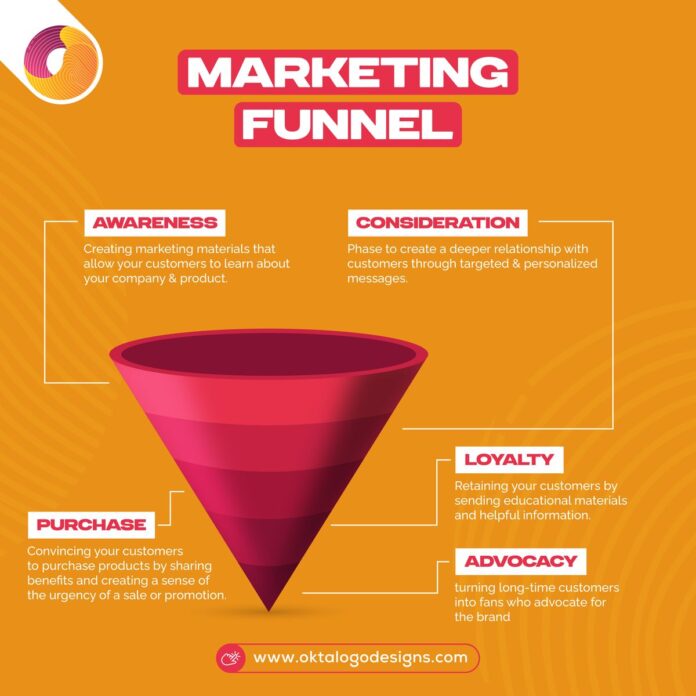
The concept of marketing funnels has gained significant traction among marketers as a strategic approach to guide potential customers through their buying journey. A marketing funnel can be defined as a model that illustrates the stages a consumer goes through before making a purchase decision. This process is crucial as it provides marketers with insights into consumer behavior, allowing them to tailor their strategies effectively.
At its core, a marketing funnel consists of several stages, typically categorized as awareness, interest, consideration, intent, evaluation, and purchase. Each stage represents a crucial touchpoint in the customer journey, highlighting the need to nurture leads as they progress toward conversion. Initially, the funnel begins with the awareness stage, where potential customers discover a brand or product through various marketing efforts, such as social media, content marketing, or advertisements. Following this, individuals enter the interest phase, seeking more information and engaging with the brand’s offerings.
As prospects move further into the funnel, they enter the consideration stage, where they evaluate different options and compare competitors. This is pivotal as it is during this stage that marketers can employ targeted content to address specific user concerns, thus enhancing the likelihood of conversion. Subsequently, prospects demonstrate intent as they indicate a readiness to make a purchase, frequently through actions such as adding products to their cart or enrolling in a trial. Consequently, the evaluation phase marks the transition to the final purchasing decision, where consumers weigh the pros and cons of their potential purchase.
Understanding marketing funnels not only helps marketers optimize their strategies to enhance customer experience but also enables businesses to track and analyze performance at every step. By effectively leveraging this framework, companies can create a more systematic and engaging path for customers, ultimately leading them from awareness to action.
The Stages of a Marketing Funnel
The marketing funnel is a crucial concept in understanding how businesses engage with potential customers throughout their buying journey. It consists of several stages that guide leads from initial awareness to final purchase. Each stage plays a significant role in nurturing leads and converting them into loyal customers.
The first stage, known as the Awareness stage, is when potential customers become aware of a product or service. This stage is often initiated through various marketing channels such as social media, online advertisements, content marketing, or public relations efforts. The goal is to capture the audience’s attention and introduce them to the brand, establishing a foundation for further interaction.
Following the Awareness stage is the Interest stage. Here, individuals who have learned about the product begin to show interest by seeking more information. They may visit the company’s website, read blogs, watch videos, or engage with posts on social media. It is essential for businesses to provide valuable and relevant content to keep the interest alive and encourage further exploration of the offerings.
Once interest is established, the customer moves to the Decision stage. In this phase, potential buyers evaluate their options and consider whether to make a purchase. Marketers can influence this decision by offering detailed product comparisons, testimonials, case studies, or promotional offers. This stage often involves addressing customer objections and providing reassurance to facilitate the transition to a buying decision.
Finally, the Action stage is where the actual purchase occurs. It is crucial for businesses to ensure a seamless shopping experience to minimize cart abandonment and encourage conversions. This stage can also include post-purchase follow-ups to enhance customer satisfaction and loyalty, paving the way for future interactions.
Understanding Your Audience
In the realm of marketing funnels, comprehending one’s target audience stands as a fundamental pillar. The success of any marketing funnel is intricately linked to how well businesses grasp the nuances of consumer behavior, preferences, and pain points. By understanding your audience, you can effectively tailor messaging, content, and offers to resonate with potential customers throughout the funnel.
One effective technique for gaining insights into your audience is conducting thorough audience research. This can encompass surveys, interviews, and analyzing existing customer data to collect empirical insights. Through these methods, marketers can discern critical factors such as demographics, interests, and buying habits. This data enables the creation of detailed customer personas that reflect not only the demographic characteristics but also the motivations and challenges faced by groups within the audience.
Customer personas serve as valuable tools in the crafting of effective marketing funnels. By embodying the attributes of target segments, these personas allow marketers to envision the journey of their potential customers. This understanding aids in predicting how individuals will react at various stages of the funnel, from awareness to conversion. Moreover, customized approaches generated from these personas can refinedly address audience needs, suggesting tailored solutions and driving higher engagement rates.
Additionally, analyzing audience behavior provides insights into how your audience interacts with content at various funnel stages. For instance, understanding the channels your audience frequents or their preferred content formats can inform where to prioritize resources and efforts. These behavioral insights foster more effective funnel strategies, leading to higher conversion rates and ultimately building stronger customer relationships.
Creating Effective Content for Each Funnel Stage
In the realm of digital marketing, the marketing funnel serves as a crucial framework for guiding potential customers from awareness to purchase. Content plays an instrumental role at each stage of the funnel, designed to engage target audiences and convert them effectively. Understanding the type of content that resonates with customers at each stage is essential for driving engagement and increasing conversions.
At the top of the funnel, where potential customers are first becoming aware of their needs or problems, the focus should be on creating informative and engaging content. Blog posts that address common pain points or provide valuable insights into industry trends can attract traffic and generate interest. Video content, such as webinars or educational tutorials, can also effectively capture attention while providing a dynamic way to engage users. Social media posts that share useful tips or direct users to engaging content can enhance visibility and foster a sense of community.
As prospects move to the middle of the funnel, they are seeking solutions. Here, content should be more focused and specific. Case studies and detailed guides that outline the benefits of a product or service are particularly effective. Additionally, interactive content, like quizzes or assessments, can engage users and provide personalized experiences. Emails that offer targeted information and nurture leads can keep them informed and engaged during this consideration phase.
Finally, at the bottom of the funnel, content should facilitate decision-making. This is the stage where potential customers are ready to make a purchase. Compelling email campaigns featuring exclusive promotions or testimonials can encourage conversions. Providing clear calls to action and landing pages that simplify the buying process will cater to customers’ needs for decisiveness. By aligning content with the marketing funnel stages, businesses can effectively guide prospects through the journey, resulting in improved engagement and increased conversions.
Measuring Funnel Effectiveness
To understand the success of marketing funnels, it is essential to measure their effectiveness through various key performance indicators (KPIs). KPIs provide meaningful insights into how potential customers move through the different stages of the funnel, which can guide marketers in optimizing strategies for better results. One of the most common KPIs is the conversion rate, which measures the percentage of users who complete the desired action, such as making a purchase or signing up for a newsletter.
Another important KPI is the drop-off rate, reflecting the percentage of users who abandon the funnel at each stage. By analyzing where drop-off occurs, marketers can identify specific areas that need improvement. Tools such as Google Analytics, HubSpot, and other funnel tracking software can assist in gathering data on user interactions. These tools provide valuable insights into user behavior, helping marketers to visualize the funnel and track performance metrics in real time.
Furthermore, user behavior analysis is crucial for measuring the effectiveness of marketing funnels. This can include examining metrics such as average session duration, bounce rates, and interaction rates. Understanding how users engage with content and navigate through the funnel stages can highlight potential bottlenecks. Marketers can use heatmaps and A/B testing to analyze user interactions further, which can guide modifications to content, design, or call-to-action placements.
Continuous measurement and analysis of these KPIs offer a systematic approach to enhancing marketing funnels. By establishing benchmarks and regularly assessing performance, marketers can make data-driven decisions that lead to improved conversion rates and overall funnel effectiveness. Ultimately, this focused approach to measuring and analyzing provides marketers with the ability to refine their strategies, ensuring a more efficient path to conversion for potential customers.
Common Mistakes to Avoid in Marketing Funnels
When crafting effective marketing funnels, it is crucial to recognize and avoid common pitfalls that can hinder the success of a marketing strategy. One frequent mistake marketers make is misidentifying their target audience. Understanding who your ideal customers are is essential for creating tailored messaging and offers. Without this clarity, efforts may result in low engagement and conversion rates, as messages fail to resonate with potential clients.
Another critical error is failing to provide sufficient value at each stage of the funnel. Prospective customers commonly seek valuable information or solutions to their problems before committing. Marketers should ensure that they are offering relevant content, whether it be informative articles, compelling videos, or engaging social media interactions. Neglecting this aspect can lead to a disengaged audience that is unlikely to proceed through the funnel.
Additionally, overlooking the significance of tracking results and adjusting strategies accordingly can be detrimental. Marketing funnels are dynamic entities that require ongoing analysis to determine their effectiveness. Marketers should monitor key performance indicators (KPIs) such as conversion rates, engagement levels, and customer feedback. This data allows for the fine-tuning of the marketing approach, ensuring that adjustments are made in real-time based on performance insights.
Ultimately, avoiding these mistakes—misidentifying target audiences, failing to offer value, and neglecting to track analytics—will put marketers on the right path to creating efficient marketing funnels that drive results and nurture leads effectively.
Tools and Technologies for Building Funnels
In the world of digital marketing, the right tools and technologies can significantly enhance the efficiency of building and managing marketing funnels. A marketing funnel represents the journey a customer takes from the first interaction with a brand to the final purchase and beyond. Therefore, utilizing appropriate resources is essential for optimizing this process.
One of the primary tools for creating effective marketing funnels is a Customer Relationship Management (CRM) system. A CRM system helps businesses manage customer interactions and relationships throughout the sales process, ensuring timely follow-ups and personalized communication. Popular CRM platforms like Salesforce and HubSpot provide comprehensive features that enable businesses to track leads, automate sales processes, and analyze customer data to refine their funnel strategies.
Another essential tool in building marketing funnels is marketing automation software. These systems allow businesses to automate various marketing tasks, such as email campaigns and social media scheduling, thus enabling marketers to focus on producing high-quality content and strategic planning. Platforms like Mailchimp and ActiveCampaign are widely used for their user-friendly interfaces and robust automation capabilities, making it easier for marketers to nurture leads and guide them through the funnel stages.
Finally, analytics tools play a crucial role in understanding funnel performance. By utilizing analytics platforms such as Google Analytics or Tableau, marketers can track visitor behavior, measure conversion rates, and assess the effectiveness of their marketing efforts. Insights gained from these tools can inform adjustments to the marketing funnel, ensuring that it aligns with customer preferences and market trends.
Ultimately, integrating these tools and technologies can streamline the process of building and managing marketing funnels, leading to better customer engagement and higher conversion rates.
Real-World Examples of Successful Marketing Funnels
Marketing funnels serve as a pivotal tool in guiding potential customers through their purchasing journey. Numerous brands across various industries have successfully adopted and refined these funnels to enhance their customer engagement and drive sales. Examining real-world examples can provide valuable insights for those looking to implement their marketing funnels effectively.
One notable example is Dropbox, which utilized a unique marketing funnel that capitalized on user referrals. Their strategy involved offering free storage space to users who invited friends to join. This approach not only motivated existing users to promote the platform but also streamed potential customers directly into the conversion phase of the funnel. As a result, Dropbox experienced exponential growth in their user base, illustrating the effectiveness of a well-structured referral marketing funnel.
Similarly, HubSpot has successfully employed content marketing as part of their marketing funnel. By creating comprehensive resources and tools, such as e-books, webinars, and free trials, they effectively attract potential customers at the top of the funnel. This introductory content nurtures leads through valuable insights and education, gradually guiding them toward purchasing HubSpot’s marketing solutions. Their use of a targeted email strategy further enhances the effectiveness of the funnel, ensuring potential customers remain engaged until they are ready to buy.
Another excellent case is Amazon, which optimizes its marketing funnel through personalization and customer recommendations. By analyzing user behavior and purchase history, Amazon presents tailored product suggestions to enhance the shopping experience. This effective approach not only improves the conversion rate but also fosters customer loyalty, as buyers feel understood and valued throughout their journey.
These examples showcase how various industries can successfully implement marketing funnels tailored to their business model and target audience. Understanding these real-world applications can help marketers devise their strategies, ensuring that they shepherd potential customers seamlessly through their sales processes.
Conclusion and Next Steps
In conclusion, understanding marketing funnels is crucial for effectively guiding potential customers through their buying journey. A marketing funnel represents the stages that a prospect experiences before making a purchase, encompassing awareness, interest, decision, and action. By mapping out these stages, businesses can tailor their marketing strategies to meet the specific needs of their audience at each point in the funnel. This not only enhances customer engagement but also increases conversion rates, leading to improved overall sales performance.
As we have discussed, the initial stage of a marketing funnel focuses on attracting attention, which can be achieved through various content marketing strategies such as blogs, social media posts, and advertisements. Following this, it is essential to nurture leads by providing valuable information and engaging with them through personalized email campaigns or targeted content. The decision stage requires businesses to use persuasive techniques that address potential objections and emphasize benefits, ultimately leading to an action where the prospect becomes a customer.
To begin implementing your own marketing funnel, first identify your target audience and map out their buyer journey. Use this information to create relevant content tailored to the specific stage of the funnel. Monitor your funnel metrics to identify strengths and weaknesses, and adjust your strategies accordingly. Additionally, consider utilizing marketing automation tools for more efficient lead management and nurturing.
Lastly, remain open to continual learning and experimentation. The digital marketing landscape is evolving, and what works today may need adaptation tomorrow. Regularly assess your marketing funnels, gather feedback from your audience, and refine your approach based on data-driven insights. By doing this, you can optimize your marketing efforts and ultimately enhance the overall customer experience.