
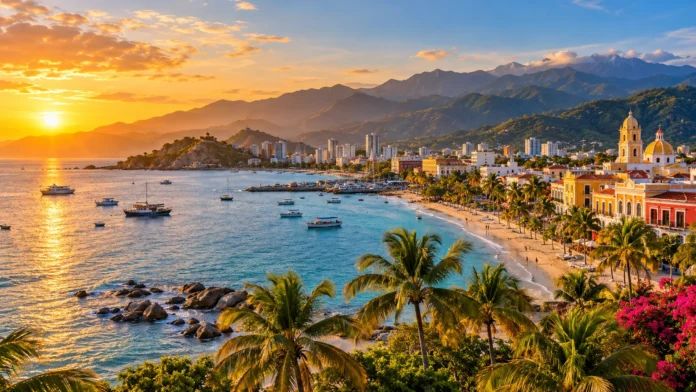
Santa Marta is one of the most beautiful coastal destinations in Colombia, known for its Caribbean beaches, tropical forests, historic landmarks, and spectacular mountain scenery. Located along the country’s northern coast, this charming city offers a wonderful combination of nature, culture, and seaside relaxation. Whether you enjoy beautiful beaches, traditional neighborhoods, or scenic landscapes, Santa Marta provides unforgettable experiences.
The city is surrounded by remarkable natural attractions, including Tayrona National Natural Park and the Sierra Nevada de Santa Marta mountains. Visitors can explore picturesque fishing villages, discover waterfalls near Minca, and walk through historic streets filled with Colombian Caribbean character. Its location makes Santa Marta an excellent base for exploring some of northern Colombia’s most popular destinations.
Planning a Santa Marta vacation involves choosing the best attractions, travel season, accommodation, and transportation options. Some travelers prefer relaxing on the beaches, while others enjoy exploring nature and learning about local history. This Santa Marta travel guide covers the best things to do, beautiful places to visit, and practical tips for making the most of your journey.
Where Is Santa Marta in Colombia?
Santa Marta is located on Colombia’s Caribbean coast in the department of Magdalena. The city sits between the Caribbean Sea and the impressive Sierra Nevada de Santa Marta mountain range. Its geographical location provides access to coastal landscapes, tropical forests, and mountainous countryside within the surrounding region.
Santa Marta is approximately 230 kilometers northeast of Cartagena by road, although the exact distance depends on the route. The city serves as an important gateway to Tayrona National Natural Park, Minca, and other popular tourist destinations. Its coastline includes sandy beaches, fishing communities, and scenic bays.
The city has its own international airport, which provides convenient transportation connections for domestic and selected international travelers. Visitors can also arrive by road from Cartagena, Barranquilla, and other Colombian destinations. Santa Marta’s location makes it suitable for both short coastal holidays and longer nature-focused vacations.
Why Is Santa Marta Famous?
Santa Marta is famous for its beautiful Caribbean coastline, historical significance, and access to extraordinary natural landscapes. Founded by the Spanish in 1525, it is one of the oldest surviving European-established cities in South America. Its historic center contains colonial-era buildings, public squares, and important cultural landmarks.
The city is also closely associated with Tayrona National Natural Park, one of Colombia’s most recognized natural attractions. The park features tropical forests, coastal trails, and beautiful beaches surrounded by large rock formations. Nearby Minca offers a different experience with cooler mountain scenery, waterfalls, and forest environments.
Another distinctive feature is Santa Marta’s connection to the Indigenous communities of the Sierra Nevada de Santa Marta. The region is ancestral territory for the Kogui, Arhuaco, Wiwa, and Kankuamo peoples. Understanding these cultural connections adds depth to a visit beyond the area’s beaches and natural beauty.
1. Explore Tayrona National Natural Park
Tayrona National Natural Park is one of the most famous attractions near Santa Marta. The protected area contains beautiful beaches, tropical dry forests, coastal mountains, and important wildlife habitats. Its dramatic landscapes make it particularly attractive for nature lovers and travelers interested in scenic photography.
Visitors can explore designated walking routes and reach selected beaches and viewpoints. Popular areas include Cabo San Juan, Cañaveral, and Bahía Concha, although access arrangements vary by sector. The park is also culturally significant because it forms part of the ancestral territory of Indigenous communities.
Tayrona has scheduled conservation and cultural closures, including periods in February, June, and October through early November. Additional restrictions can occur because of weather, safety, or environmental concerns. Travelers should check official park announcements, reserve where necessary, and follow designated visitor rules before planning their excursion.
2. Visit Cabo San Juan Beach
Cabo San Juan is one of the most recognizable beaches within Tayrona National Natural Park. The location is famous for its beautiful coastal scenery, large rocks, tropical vegetation, and turquoise water. Its picturesque setting makes it a popular destination for travelers exploring the Caribbean coast of Colombia.
The beach is commonly reached through established park routes that pass through natural landscapes. Along the way, visitors may see forest vegetation, coastal viewpoints, and other scenic areas. The journey can require significant walking, depending on the entrance and route selected.
Swimming should only take place in designated areas when local conditions permit. Some beaches within Tayrona have dangerous currents and are unsuitable for swimming. Visitors should respect warning signs, follow park staff instructions, and confirm trail accessibility before beginning the journey.
3. Relax at Playa Blanca
Playa Blanca is a popular beach destination near Santa Marta, known for its attractive coastal setting and relatively sheltered surroundings. Visitors often travel here to enjoy seaside views and spend time away from the busiest city streets. Its natural scenery makes it suitable for a relaxed coastal excursion.
The beach is commonly accessed by boat from nearby tourism areas, including El Rodadero. Travel services and access arrangements vary according to weather conditions and local operations. Visitors can enjoy the surrounding landscape and explore available beach facilities during their stay.
Playa Blanca can become busy during weekends, holidays, and popular vacation periods. Travelers looking for a quieter experience may prefer visiting outside peak hours. Confirming transportation arrangements in advance and following local water safety guidance can make the excursion more comfortable.
4. Discover El Rodadero Beach
El Rodadero is one of Santa Marta’s best-known beach districts and a popular area for family vacations. Its coastline features sandy beaches, hotels, restaurants, and tourism services. The neighborhood provides a lively atmosphere for travelers who enjoy staying close to the Caribbean Sea.
Visitors can walk along the waterfront, explore nearby restaurants, and enjoy views of the surrounding bay. The area is also a departure point for selected boat excursions to nearby coastal attractions. Its concentration of accommodation makes it convenient for travelers who prefer established tourism facilities.
El Rodadero is often busy during Colombian holidays and the December-to-January vacation period. Beach conditions and visitor numbers can vary throughout the year. Choosing accommodation according to your preferred atmosphere can help create a more enjoyable seaside holiday.
5. Visit the Fishing Village of Taganga
Taganga is a picturesque coastal village located a short distance from central Santa Marta. It is known for its fishing traditions, surrounding hills, and scenic bay. The village offers a different atmosphere from the larger hotels and commercial districts found around El Rodadero.
Visitors can admire the fishing boats along the waterfront and enjoy attractive views of the Caribbean coast. Taganga is also associated with recreational diving services and excursions to nearby marine areas. Travelers interested in coastal photography may particularly appreciate the surrounding landscape.
The village has restaurants, guesthouses, and local businesses serving visitors. As in other coastal destinations, conditions vary between different streets and beach areas. Travelers should use reputable transportation and activity providers and follow current local safety guidance.
6. Explore Minca and the Sierra Nevada Mountains
Minca is a small mountain destination located in the foothills of the Sierra Nevada de Santa Marta. Its greener landscapes and relatively cooler conditions provide a refreshing contrast to Santa Marta’s coastal environment. The area is especially popular with travelers interested in forests, birdlife, and peaceful countryside scenery.
Visitors can explore village streets, scenic viewpoints, and nature-focused attractions. The surrounding hills are known for coffee cultivation and diverse tropical vegetation. Guided nature experiences can provide opportunities to learn about the region’s ecosystems and traditional agricultural activities.
Minca is approximately 15 kilometers from Santa Marta, although winding mountain roads can make the journey longer than the distance suggests. Weather conditions may affect access to particular attractions. Comfortable footwear and suitable rain protection are useful for exploring the surrounding countryside.
7. Discover Waterfalls Near Minca
The area surrounding Minca is known for beautiful streams and waterfalls set among tropical forest landscapes. These natural attractions provide opportunities to appreciate the region’s greenery and mountain scenery. Popular sites include Pozo Azul and other accessible waterfalls near established visitor routes.
Some locations feature natural pools and shaded surroundings, making them appealing for photography and relaxing nature visits. However, water levels and currents can change after rainfall. Visitors should avoid entering unfamiliar water and follow guidance from local authorities and responsible guides.
Waterfall excursions may involve uneven paths, slippery rocks, and changing weather conditions. Suitable footwear and realistic expectations about walking distances are important. Choosing accessible routes and respecting environmental rules help visitors appreciate these beautiful locations safely.
8. Explore Santa Marta’s Historic Center
Santa Marta’s historic center is one of the most interesting places to explore within the city. Its streets feature colonial architecture, colorful buildings, museums, and public squares. Walking through the area provides an introduction to the city’s long history and Caribbean cultural identity.
Visitors can explore traditional neighborhoods and admire restored historic buildings. The area contains restaurants, cafés, shops, and cultural institutions that make it suitable for a relaxed afternoon. Historic streets provide opportunities to discover architectural details and observe everyday city life.
The historic center is particularly attractive when combined with visits to nearby landmarks such as Santa Marta Cathedral and Parque de los Novios. Travelers should use normal urban safety precautions and remain aware of their surroundings. Exploring during comfortable daylight hours can make sightseeing more enjoyable.
9. Visit Santa Marta Cathedral
Santa Marta Cathedral is an important historical and religious landmark located in the city’s historic center. The building reflects the region’s colonial architectural heritage and longstanding religious traditions. Its white exterior and prominent position make it one of Santa Marta’s most recognizable structures.
Visitors can admire the cathedral’s architectural details and appreciate its role in the city’s history. The surrounding streets contain additional historic buildings and public spaces. Combining the cathedral with a walking tour of central Santa Marta provides a convenient way to explore several attractions.
As an active religious site, the cathedral should be visited respectfully. Opening arrangements may vary according to services and community activities. Modest clothing and quiet behavior are appropriate, particularly when religious ceremonies are taking place.
10. Discover Quinta de San Pedro Alejandrino
Quinta de San Pedro Alejandrino is one of Santa Marta’s most significant historical attractions. The estate is famous as the place where Simón Bolívar, an important figure in South American independence history, died in 1830. Its buildings and landscaped grounds preserve an important part of Colombian heritage.
Visitors can explore historic structures, gardens, and exhibitions associated with Bolívar’s final days. The property also contains cultural spaces that introduce visitors to important historical themes. Its peaceful surroundings create an attractive setting for learning about the country’s past.
The estate is located outside the most central part of Santa Marta, so transportation planning is useful. Travelers interested in history may appreciate visiting with a knowledgeable guide. The combination of architecture, gardens, and historical exhibits makes it a worthwhile stop during a city sightseeing tour.
11. Explore the Tairona Gold Museum
The Tairona Gold Museum, also known as Museo del Oro Tairona, is an important cultural attraction in central Santa Marta. Located in the historic Casa de la Aduana building, the museum introduces visitors to the region’s Indigenous heritage. Its exhibitions explore archaeology, traditional societies, and the history of the surrounding area.
Visitors can discover objects and displays connected with communities that lived in the Sierra Nevada and Caribbean coastal regions. The museum provides insight into craftsmanship, trade, and cultural traditions. These exhibits help explain the historical background of the broader Santa Marta region.
The museum is particularly appealing to travelers who want to understand the destination beyond its beaches. It can be conveniently combined with other attractions in the historic center. Checking current visiting hours before arrival helps organize an enjoyable cultural sightseeing experience.
12. Enjoy Parque de los Novios
Parque de los Novios is a popular public square located in Santa Marta’s historic center. The surrounding area features restaurants, cafés, and attractive historic buildings. It is a convenient destination for visitors who want to experience the city’s social atmosphere.
During the day, travelers can enjoy a relaxed walk and explore nearby streets. In the evening, the surrounding dining establishments and public spaces often become lively. The square provides an enjoyable starting point for discovering central Santa Marta.
Visitors can combine the park with nearby cultural attractions and historical landmarks. Choosing a restaurant in the surrounding area provides an opportunity to try local Caribbean dishes. As with other busy urban spaces, travelers should keep personal belongings secure and follow normal safety precautions.
13. Relax at Bahía Concha
Bahía Concha is a beautiful coastal destination associated with Tayrona National Natural Park. The bay is known for its scenic shoreline, hills, and attractive natural surroundings. It offers an alternative to the more heavily visited beaches along certain traditional Tayrona walking routes.
Visitors can appreciate the coastal scenery and enjoy designated recreational areas when access is permitted. The bay is popular for relaxed sightseeing and photography. Facilities and available activities depend on the season and current park regulations.
Bahía Concha has specific entrance arrangements and may be affected by scheduled park closures. Travelers should confirm access through official channels before traveling. Swimming should only take place where it is authorized and conditions are considered safe.
14. Visit the Rodadero Sea Aquarium and Museum
The Rodadero Sea Aquarium and Museum is a tourism attraction associated with marine exhibits and the coastal environment. Located near Santa Marta’s beach tourism areas, it provides an opportunity to learn about selected marine species. The attraction is commonly reached through organized local transportation services.
Visitors interested in marine environments may find educational exhibits and displays appealing. However, facilities, animal welfare standards, and visitor experiences can vary between attractions. Travelers should consider conservation practices and current operating information before deciding whether to visit.
Families may prefer experiences that emphasize learning about marine ecosystems and their protection. Santa Marta also offers opportunities to appreciate natural coastal environments without entering animal exhibition facilities. Choosing responsible activities can support a more thoughtful approach to tourism.
15. Discover the Lost City Trek Region
Ciudad Perdida, or the Lost City, is an important archaeological site located within the Sierra Nevada de Santa Marta. The ancient settlement is associated with the Tairona civilization and is surrounded by dense mountain forests. Its historical importance makes it one of Colombia’s most distinctive archaeological destinations.
The site lies within a remote landscape that is culturally significant to Indigenous communities. Access is regulated and involves a demanding multi-day trek through mountainous terrain. The journey is not comparable to a short sightseeing excursion and requires substantial planning and appropriate physical preparation.
Travelers interested in this site should understand that access conditions, conservation rules, and community arrangements may change. The region’s weather and terrain can present additional challenges. People who prefer less demanding cultural activities can explore Santa Marta’s museums and accessible historic sites instead.
Best Time to Visit Santa Marta
The best time to visit Santa Marta is generally between December and April, when the region often experiences comparatively dry weather. This period is popular for beach holidays, city sightseeing, and selected nature excursions. However, temperatures remain warm throughout much of the year.
December and January can attract large numbers of visitors because of holiday travel. Accommodation prices may rise, and popular beaches can become crowded. Travelers who prefer quieter conditions may consider different dates within the relatively dry season.
Rainfall is generally more frequent during other parts of the year, although daily conditions vary. Heavy rain may affect mountain roads, hiking routes, and access to natural attractions. Monitoring local weather forecasts and keeping a flexible schedule can make the experience more comfortable.
How to Get to Santa Marta
Santa Marta is accessible through Simón Bolívar International Airport, which serves the city and surrounding tourism areas. Domestic flights connect the region with major Colombian destinations. Some travelers also arrive through nearby airports and continue to Santa Marta by road.
The city can be reached by bus or private transportation from Cartagena, Barranquilla, and other destinations along Colombia’s Caribbean coast. Travel times depend on traffic, road conditions, and departure locations. Choosing reputable transportation providers can make the journey more convenient.
Within Santa Marta, taxis, authorized transfers, and local transport services connect major neighborhoods. Destinations such as Minca and Tayrona require additional transportation planning. Travelers should confirm departure points and return arrangements before visiting attractions outside the city.
How Many Days Do You Need in Santa Marta?
Two days can provide a basic introduction to Santa Marta’s historic center and nearby beaches. Visitors may explore the cathedral, Quinta de San Pedro Alejandrino, and the waterfront. However, a short visit leaves limited time for attractions located outside the city.
Three to five days allow a more comfortable itinerary that includes Tayrona National Natural Park and Minca when access and weather conditions permit. Travelers can combine beach experiences with forest scenery and cultural sightseeing. This duration provides greater flexibility without requiring an overly crowded schedule.
A week or longer may appeal to visitors interested in exploring several coastal destinations and mountain areas. Additional time can also help accommodate weather-related changes. Choosing a manageable number of attractions makes the trip more enjoyable than attempting to visit every location in a short period.
Where to Stay in Santa Marta
Santa Marta offers accommodation ranging from budget-friendly guesthouses to beachfront hotels and comfortable resorts. The historic center is a practical option for travelers interested in restaurants, cultural landmarks, and city sightseeing. Its central location can make walking tours more convenient.
El Rodadero is popular with visitors who prefer staying near established beach tourism facilities. Other coastal areas offer different atmospheres depending on their location and available services. Travelers interested in nature may also consider suitable accommodation near Minca or Tayrona.
Choosing the best accommodation depends on your planned activities and transportation requirements. Staying close to the attractions you intend to visit can reduce daily travel time. Reading recent guest feedback and confirming available facilities helps identify suitable options for different budgets.
Santa Marta Travel Costs and Budget Tips
Santa Marta can accommodate a variety of travel budgets, although prices vary by season and location. Budget travelers can find modest accommodation and casual dining options in selected neighborhoods. Premium beachfront properties and organized excursions may increase the total cost.
Transportation and attraction expenses should be considered when creating a daily budget. Visits to Tayrona may involve entrance charges, insurance, and additional transport costs. Mountain excursions and guided experiences can also require separate payments depending on the services selected.
Traveling outside major holiday periods may provide more accommodation choices and potentially lower rates. Comparing total expenses rather than focusing on hotel prices alone is useful. Planning nearby attractions together can reduce unnecessary travel costs and make the itinerary more efficient.
Essential Santa Marta Travel Tips
Santa Marta has a warm tropical climate, so lightweight clothing, sun protection, and regular hydration are important. Comfortable walking shoes are useful for historic streets and nature excursions. Visitors traveling to mountain areas should also prepare for cooler conditions and possible rainfall.
Beach safety deserves particular attention because some coastal areas have strong currents and hazardous swimming conditions. Always follow warning signs and local guidance, especially inside Tayrona National Natural Park. Avoid entering the water in prohibited areas, even when the beach appears calm.
Respect for local communities and natural environments is equally important. The Sierra Nevada is an ancestral and spiritually significant landscape for Indigenous peoples. Follow park regulations, avoid disturbing wildlife, and ask permission before photographing residents or culturally sensitive locations.
Conclusion
Santa Marta is one of Colombia’s most rewarding coastal destinations, offering beautiful Caribbean beaches, tropical forests, historic landmarks, and spectacular mountain scenery. Attractions such as Tayrona National Natural Park, Minca, and Quinta de San Pedro Alejandrino provide a memorable variety of experiences. The city’s historic center adds cultural character to its natural attractions.
The best Santa Marta itinerary combines relaxed coastal sightseeing with opportunities to explore nearby nature and history. Travelers can visit picturesque villages, discover cultural museums, and enjoy scenic waterfront areas. Choosing suitable transportation and checking seasonal access arrangements helps create a more comfortable vacation.
Whether you are interested in nature, photography, cultural exploration, or peaceful seaside relaxation, Santa Marta offers something for many travel interests. Allow enough time to explore beyond the main beaches and appreciate the region’s distinctive character. With thoughtful planning, Santa Marta can become a highlight of your journey through Colombia.
Frequently Asked Questions
1. Is Santa Marta, Colombia, Worth Visiting?
Yes, Santa Marta is worth visiting for its Caribbean beaches, historic landmarks, and access to Tayrona National Natural Park. It is especially appealing to travelers interested in nature and coastal scenery.
2. What Are the Best Things to Do in Santa Marta?
Popular activities include exploring Tayrona National Natural Park, visiting Minca, relaxing at El Rodadero, discovering Taganga, and exploring the historic center and Quinta de San Pedro Alejandrino.
3. How Many Days Are Enough for Santa Marta?
Three to five days provide enough time for city sightseeing, selected beaches, and nearby attractions such as Minca or Tayrona. A longer stay offers more flexibility for exploring the surrounding region.
4. What Is the Best Month to Visit Santa Marta?
January, February, and March are generally popular for relatively dry weather and outdoor sightseeing. However, December through April can offer attractive conditions, with visitor demand varying by holiday period.
5. Is Tayrona National Park Open All Year?
No. Tayrona has scheduled annual closures, including February 1–15, June 1–15, and October 19–November 2 under its published 2026 calendar. Additional restrictions may occur, so check official announcements before visiting.