
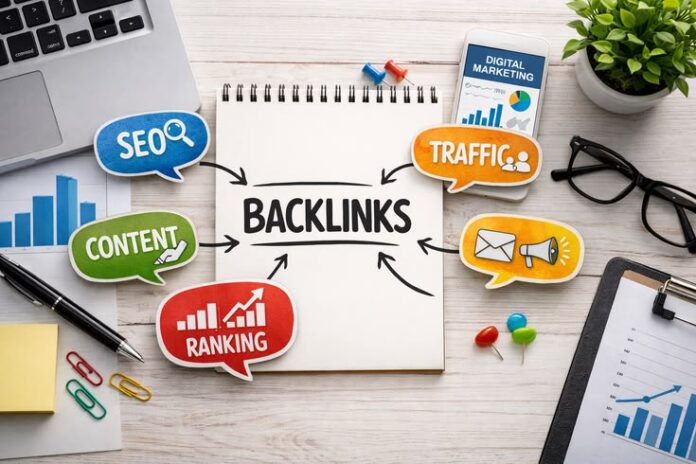
Search visibility grows when relevant websites link to pages that are useful to their audiences. Strategic link building places those connections within industry-relevant publications, supporting topical relevance and organic search visibility. White label backlinks offer agencies a structured way to deliver these placements under their own branding. Here are some ways to use white label backlinks to enhance online visibility:
Target Relevant Publishers
Publisher selection directly affects the context surrounding each backlink. A publication about the client’s industry gives the linked page a stronger topical relationship. Traffic and search visibility help evaluate publishing opportunities, and these factors indicate how much exposure a publication may provide. Relevant publishers can help place links where readers are already engaging with related information.
Industry alignment also helps shape the article created for each placement. A legal website benefits from publications covering legal issues or consumer rights, while home service businesses gain relevant exposure through property maintenance and improvement publications. Matching publishers to the client’s industry keeps outreach focused on the intended audience.
Assessing publisher quality requires more than checking a single domain metric; topical relevance, publishing consistency, and existing content provide useful evaluation points. A website with relevant readers offers a stronger link placement than an unrelated publication. Careful research also reduces placements that have little connection with the client’s search objectives.
Support Content Strategies
Link building works better when external placements connect to a client’s pages that already serve a clear search purpose. Target keywords help identify which pages need support through relevant external content. Search intent helps determine what information readers are looking for, so guest articles and supporting publications provide relevant pathways to target pages. Each placement becomes part of a broader content strategy rather than an isolated link.
Guest articles provide a useful space for developing context around a destination page. An article addressing a specific industry question creates a natural opportunity to reference related information on the client’s website. Anchor text should match the surrounding discussion and accurately describe the destination page so readers understand what information they will find there. Agencies using white label backlinks can incorporate this process into larger content campaigns, and the same approach applies across multiple publishing opportunities.
Expand Local Visibility
Local businesses require links that relate to the communities and locations they serve. A regional publication gives location-specific content a relevant setting when its readership overlaps with the target market. External articles can reference the geographic areas covered by a service page, so the connection between publications and the client’s website remains relevant. These connections give local campaigns a clearer relationship between publishers, topics, locations, and destinations. Here are some ways to support a location-focused link strategy:
- Build links with individual city and service-area pages
- Develop articles addressing questions relevant to local customers
- Seek regional publications with audiences matching the service area
- Connect external content with location-specific resources
- Support local SEO campaigns through relevant editorial placements
Coordinate Outreach Campaigns
Effective outreach involves organizing efforts for research, content generation, communication, and publishing verification. White label link providers research publishers and choose appropriate sites for a client’s content. Outreach tracking organizes responses when multiple publishers receive the same campaign request, and published URLs document completed placements. This coordination helps agencies manage active opportunities and confirm which content has resulted in published placements.
Measure Link Performance
When you monitor placements in conjunction with organic search results, you’ll get helpful data from backlink campaigns. Tracking published URLs helps document where each link was placed and which page on the client’s website it points to. Ranking data shows keyword movement for supported pages, and traffic shows changes in organic visits. Some metrics that will help you gauge the success of your campaign include:
- Referring websites: Compare the sites linking to your content to identify patterns in link performance.
- Link acquisition: Measure how many new placements you secure during the campaign.
- Anchor text: Review the terms used in backlinks to assess how they relate to the linked pages.
- Campaign reports: Present completed placements and performance data clearly.
Build Visibility With White Label Backlinks
Link campaigns provide valuable data for refining future content decisions. Publishers that attract relevant audiences can guide future outreach, while underperforming placements reveal areas for stronger targeting. Reviewing link performance alongside content engagement gives agencies a clearer basis for developing subsequent campaigns. Use white label backlinks as part of a measured SEO process, then build future outreach around the publishers, topics, and pages producing the strongest results. Find a white label link provider today.