
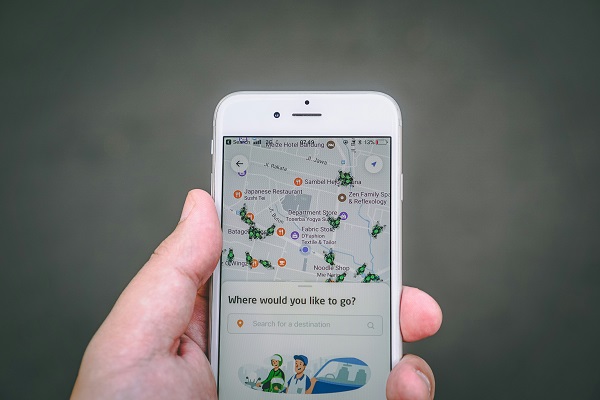
Introduction to Travel Planning Apps
In the rapidly evolving landscape of modern travel, travel planning apps have emerged as essential tools for both seasoned explorers and occasional vacationers. These mobile applications serve a critical role in streamlining the travel planning process, allowing users to organize various aspects of their trips with greater efficiency. From booking flights and accommodations to finding local attractions and managing itineraries, travel planning apps bring a multitude of resources right to the fingertips of travelers. The significance of travel planning apps is underscored by the growing reliance on technology in our daily lives. As more people seek convenient and streamlined solutions for their travels, these apps have gained popularity for their ability to enhance the overall travel experience. They not only simplify the logistics of planning a trip but also provide valuable insights and recommendations tailored to individual preferences. Users can access extensive databases that offer everything from hotel reviews to historical site information, making informed decisions more achievable than ever before.
Moreover, travel planning apps often incorporate features that ease the stress of managing a trip. Users can input their travel dates and preferences to receive personalized suggestions, create itineraries, and set reminders for important activities or reservations. The ability to collaborate with fellow travelers by sharing plans and updates further enriches the travel experience, fostering a sense of camaraderie even before the journey begins.
Overall, travel planning apps signify a shift in how we approach travel today. They represent an invaluable resource that caters to the needs of modern travelers, enabling them to navigate the complexities of trip organization efficiently and effectively. As the travel industry continues to embrace technology, these apps are likely to play an even more significant role in shaping the future of travel planning.
Key Features of Travel Planning Apps
In the realm of travel, planning can often become a complex endeavor, necessitating careful organization and management. This is where travel planning apps prove invaluable. These applications come equipped with a variety of essential features that cater to the diverse needs of travelers.
One of the primary features of travel planning apps is itinerary management. These tools enable users to create and modify detailed itineraries, allowing for easy tracking of flight times, hotel check-ins, and activity schedules. By consolidating all relevant travel information in one place, these apps help mitigate the stress often associated with travel organization.
Accommodation booking is another essential feature that many travel apps provide. Users can browse a vast selection of hotels, vacation rentals, and more, comparing prices and amenities seamlessly. This feature not only saves time but also assists travelers in finding accommodations that best fit their preferences and budgets.
Transportation options are critical for any traveler, and that is why many travel planning apps offer integrated solutions for booking flights, trains, and car rentals. With such functionalities, travelers can compare different modes of transportation, ensuring optimal convenience and cost-effectiveness.
Additionally, information regarding local attractions is readily available within these apps. Users can explore various sightseeing opportunities, restaurants, and activities, receiving recommendations that enhance their travel experience significantly. This feature addresses the common challenge of discovering local highlights while avoiding tourist traps.
Budgeting tools integrated into travel planning apps allow users to manage their expenses better, helping to ensure that travel remains within financial limits. These tools often track spending and suggest cost-saving measures, proving beneficial for budget-conscious travelers.
Lastly, offline accessibility is a game-changer for many, allowing users to download important information ahead of time. This ensures that travelers can access crucial details regardless of internet availability, adding an additional layer of convenience to the travel process. Collectively, these features illustrate how travel planning apps tackle common challenges faced by travelers, enhancing their overall journey.
Popular Travel Planning Apps Overview
In the age of digitalization, travel planning has been revolutionized by a multitude of applications designed to streamline the process for travelers. Below is an overview of some of the most popular travel planning apps that cater to various aspects of your journey.
1. TripIt
TripIt is a comprehensive travel planner that consolidates all travel itineraries in one place. Users simply forward confirmation emails to TripIt, and the app automatically arranges travel details, accommodations, and activities, making it ideal for busy professionals and frequent travelers. Its simple interface and ability to provide real-time flight alerts and updates set it apart from competitors.
2. Google Travel
Google Travel integrates seamlessly with other Google services, providing a personalized travel experience. Users can organize their trips based on saved places, recommendations, and search history. Its strength lies in its intuitive features, such as exploring nearby attractions, hotel bookings, and flight tracking, appealing to casual travelers seeking convenience and efficiency.
3. Kayak
Kayak is renowned for its flight and hotel search capabilities, enabling users to compare prices across various travel websites. The app features a user-friendly interface and offers additional services like car rentals and vacation packages. Kayak’s unique price forecast tool can inform travelers about the best time to purchase tickets, enhancing its appeal to budget-conscious adventurers.
4. Airbnb
Airbnb revolutionized accommodation booking by offering unique lodging options, from homes to exotic stays. Its strengths lie in connecting travelers with local hosts, providing authentic experiences. With filters for amenities and price ranges, Airbnb appeals to diverse audiences, including families, solo travelers, and those seeking luxury alternatives to traditional hotels.
The diversity of these travel planning apps illustrates how technology has made travel arrangement more accessible and efficient, catering to different preferences and individual needs. Each app offers unique functionalities, thus empowering travelers to make informed decisions.
In-Depth Reviews of Top Apps
When planning a trip, utilizing the right travel planning apps can significantly enhance the experience. Several apps stand out in offering functionalities that cater to various travel needs. Below, we examine a few of the top travel planning apps, detailing their user experiences, advantages, disadvantages, pricing structures, and tips for maximizing their usage.
Firstly, TripIt is a highly-rated travel itinerary planner that organizes all travel information in one accessible location. Users appreciate its ability to import travel details from confirmation emails, which simplify the management of trips. The free version provides basic features, while the premium subscription, costing approximately $49 per year, adds perks like real-time flight alerts. Pros of TripIt include its comprehensive itineraries and ease of use, while cons often highlight the lack of a user interface for collaborative trip planning.
Another popular app is Kayak, recognized for its extensive flight search capabilities, allowing users to compare prices across multiple airlines. This app offers additional features like hotel and car rental searches, enabling users to plan complete travel packages. Kayak’s basic functionalities are free, while advanced options, like price alerts, come at a premium. Users report a straightforward interface and efficient search options as key benefits, although others cite occasional discrepancies in pricing.
Moreover, Roadtrippers is ideal for those planning road trips. This app helps users discover interesting attractions along their route, recommend accommodations, and offer dining options. Free for a basic version, an upgraded paid plan unlocks additional features like offline access and route optimization. Users lauded the app’s ability to enhance travel experiences with localized recommendations, ensuring memorable journeys while highlighting the potential learning curve involved for new users.
In conclusion, the choice of travel planning apps largely depends on individual preferences and travel styles. By considering the pros and cons as well as pricing options, travelers can effectively enhance their itinerary planning process, ensuring a smoother and more enjoyable experience.
How to Choose the Right Travel Planning App
Selecting the most suitable travel planning app is a crucial step for any traveler, as it directly influences the ease and enjoyment of the travel experience. To make an informed choice, several factors should be considered.
Firstly, assess your travel frequency. Are you an occasional tourist or a frequent flyer? Regular travelers might benefit from apps that offer loyalty rewards or help manage multiple itineraries, while occasional travelers might prioritize simple, user-friendly interfaces without extensive features.
Secondly, consider your budget. Many travel planning apps are available for free, but some premium features may require a subscription. Determine what functionalities are essential for you and whether they justify any associated costs. Travel apps that streamline booking processes or furnish real-time updates on flight statuses can be worth investing in if they save you time and stress.
Your destination and travel style also play a significant role in choosing the right app. Business travelers might prioritize efficiency and corporate expense tracking, while family travelers could benefit from itineraries that cater to child-friendly activities and accommodations. Similarly, solo travelers might look for features that facilitate social interactions or safety tips, depending on the destination.
Moreover, examine the specific features you deem vital. Features such as itinerary management, real-time flight tracking, accommodation booking, and offline access can significantly impact your travel experience. Some apps offer a comprehensive suite of services, while others may specialize in niche areas such as finding local experiences or optimizing routes.
Ultimately, the right travel planning app should align with your personal preferences and travel objectives, enhancing your overall journey while addressing any unique needs that may arise during your travels.
Integrating Travel Apps into Your Trip Planning
In today’s digital age, travel planning has been significantly simplified by the plethora of travel apps available. To effectively integrate these apps into your trip planning process, one should consider a few practical strategies that can streamline arrangements and enhance overall travel experience.
First, begin by synchronizing various travel apps to ensure that all information is consistent and easily accessible. Many travel planning apps allow for integration with calendars, email, and other platforms, making it possible to receive timely notifications and reminders. For instance, if you use a flight tracker app, it could sync with your itinerary planning app to keep you updated on any changes or delays in your flights. This feature not only saves time but also minimizes potential stress on the day of travel.
Moreover, it’s essential to utilize comprehensive travel management features offered by these applications. Features such as budget tracking, itinerary organization, and reservation management can keep all your travel-related information in one accessible location. For instance, using app platforms like TripIt or Kayak can help organize travel plans by collating all booking confirmations into a single itinerary. This can be particularly beneficial for multi-destination trips, helping streamline the planning process.
Lastly, leveraging community features like reviews and recommendations can greatly enhance your travel experience. Apps often include user-generated content, such as reviews of accommodations, restaurants, and attractions. Engaging with this information helps in making informed decisions based on the experiences of other travelers, leading to more satisfying choices. Platforms like Yelp or TripAdvisor can provide insights that are vital for tailoring your trip to your interests.
By employing these strategies and integrating travel apps into your trip planning effectively, you can transform what was once a daunting task into a more manageable and enjoyable process.
Real-Life Success Stories Using Travel Apps
In today’s digital age, travel planning apps have transformed the way we embark on our journeys, making them easier and more enjoyable. Numerous travelers have shared their success stories about how these applications have significantly improved their travel experiences. For instance, one avid traveler, Sarah, recounted her trip to Europe, where she relied heavily on a comprehensive travel planning app. By inputting her itinerary into the app, she found a plethora of recommendations for local dining and attractions tailored to her tastes. This not only helped her explore hidden gems rather than just tourist hotspots but also allowed her to manage her time efficiently, optimizing every moment spent abroad.
Another traveler, Mark, described a situation where a flight cancellation threatened to derail his business trip. He utilized a travel app that featured real-time flight tracking and notifications. Within minutes, he was alerted to alternative flight options and was able to rebook without missing a beat. His experience illuminated how travel planning apps could provide timely solutions during unforeseen circumstances, accommodating travelers’ needs even when plans go awry.
Moreover, family vacations can often become challenging, but Jessica and her family turned to a travel app designed to account for multi-destination journeys. The app enabled them to coordinate schedules, accommodations, and transport seamlessly. By facilitating their logistics, they were able to focus more on enjoying their time together rather than stressing over the details. This demonstrated the value of travel apps in not only enhancing convenience but also enriching the overall travel experience.
These narratives highlight the integral role travel apps play in modern travel, showcasing their effectiveness in solving specific dilemmas and crafting memorable experiences. Whether optimizing itineraries or managing last-minute changes, travelers are leveraging the capabilities of technology to ensure smooth and fulfilling journeys.
Future Trends in Travel Planning Technology
The landscape of travel planning technology is rapidly evolving, driven by innovative advancements that enhance user experience and increase efficiency. One significant trend shaping the future is the integration of artificial intelligence (AI) into travel applications. AI-powered systems can analyze vast amounts of data to offer personalized recommendations, enabling users to curate their itineraries according to their preferences, past travel behavior, and real-time conditions. This level of customization not only makes travel planning more accessible but also increases user engagement and satisfaction.
Furthermore, the advent of augmented reality (AR) is transforming navigation and exploration for travelers. With AR applications, users can experience enhanced visualizations of their surroundings, overlaying digital data onto the physical world through their smartphones. This feature allows for an interactive exploration, providing information about landmarks, directions, and local points of interest, thus enriching the travel experience significantly.
Sustainability is becoming increasingly crucial in travel planning technology. As travelers become more conscious of their environmental impact, travel apps are incorporating features that allow users to make eco-friendly choices. These apps may provide options for selecting carbon-neutral transportation, suggest accommodations with sustainable practices, or highlight activities that support local ecosystems. By integrating such sustainability features, travel planning technology is not only addressing consumer demands but also encouraging responsible travel practices.
As these trends continue to develop, it is evident that travel planning technology will adapt to meet the needs of the modern traveler, prioritizing personalization, interactivity, and sustainability. These innovations promise to redefine how individuals plan, experience, and engage with their journeys, ensuring that travel remains a relevant and enriching activity in an ever-changing world.
Conclusion and Final Thoughts
As we navigate the ever-evolving landscape of travel, it becomes increasingly clear that technology plays a pivotal role in enhancing our experiences. The travel planning apps discussed in this post serve as essential tools that simplify the process, from organizing itineraries to finding the best local attractions. By embracing these digital resources, travelers can make well-informed decisions and enjoy a more seamless journey.
The integration of technology in travel planning does not only bring convenience but also enriches the overall experience. Whether you are a seasoned globetrotter or embarking on your first adventure, these applications can aid in overcoming common challenges such as understanding local customs, navigating unfamiliar environments, and managing logistics. Moreover, the collaborative features of many apps allow for streamlined group travel plans, catering to the preferences of all travelers involved.
Ultimately, the travel apps featured here exemplify the fusion of utility and innovation in the travel industry. From advanced itinerary management to real-time updates on travel disruptions, utilizing these tools can greatly enhance your trip. As technology continues to advance, future travelers are encouraged to keep abreast of new applications that can further improve their travel experiences.
In conclusion, exploring and integrating these travel planning apps into your future trips can pave the way for a more enjoyable and organized adventure. The digital age has transformed how we approach travel, and by harnessing the power of these applications, travelers can unlock new possibilities, create unforgettable memories, and fully immerse themselves in the journey ahead.