
Introduction to Home Office Productivity
The rise of remote work has revolutionized the traditional concept of the workplace, shifting focus from corporate offices to personal spaces. As more individuals adopt flexible working arrangements, the importance of a well-structured home office setup has become increasingly evident. A conducive work environment within the home plays a crucial role in fostering productivity and efficiency. Establishing an organized home office not only enhances focus but also contributes to an overall improvement in work output. A designated workspace free from distractions allows individuals to structure their day more effectively, enabling better time management and task completion. This shift necessitates careful consideration of various elements such as furniture selection, lighting, and organizational tools that can significantly influence an individual’s productivity levels.
Furthermore, the layout and aesthetics of a home office can impact mood and motivation. Ergonomic desk arrangements and comfortable seating are essential not only for physical health but also for maintaining mental clarity and sustained attention. Incorporating personal touches, such as plants or artwork, can create an inspiring atmosphere that promotes creativity and engagement with tasks.
As we delve deeper into this topic, we will explore various tips and ideas that can help enhance your home office setup. From optimal space planning to essential technology tools, we aim to provide practical insights that can lead to improved productivity. By implementing these strategies, remote workers can transform their home workspace into an environment that not only meets their professional needs but also supports their overall well-being.
Choosing the Right Location
Selecting the optimal location for your home office is a crucial step toward enhancing productivity. The effectiveness of your workspace can significantly impact your concentration and overall work output. First and foremost, consider the availability of natural light in the area. Natural light not only boosts mood and energy levels but also reduces eye strain. Ideally, your home office should be situated near windows to take advantage of daylight. This can create a more pleasant working environment, fostering creativity and focus.
Another critical factor to assess is noise levels. A quiet environment is essential for maintaining a productive workspace. Evaluate the potential distractions that may arise from other household members or external noise sources, such as street traffic. If possible, choose a location that is somewhat secluded, away from high-traffic areas of the home. This separation can help you maintain a clear boundary between work and daily life, allowing for better concentration and fewer interruptions.
The proximity to other household areas also deserves attention. While you want a space that offers privacy and solitude, it is also vital to ensure that you can still interact with family members or roommates when necessary. Striking a balance between isolation and accessibility can improve your overall comfort during work hours. You might also want to assess the temperature comfort of the location, as inconsistent heating or cooling can lead to distractions and discomfort.
Ultimately, when selecting the best location for your home office, prioritize areas that minimize distractions while providing comfort and accessibility. A harmonious environment subsequently enhances productivity, making it easier to achieve your professional goals.
Ergonomic Furniture Choices
Creating a home office that promotes productivity is not solely about aesthetics; it significantly involves the selection of ergonomic furniture. Ergonomic furniture is specifically designed to support the body’s natural posture while working, thereby reducing physical strain and improving overall well-being. One of the most critical pieces of ergonomic furniture is the chair. A well-designed ergonomic office chair should provide adequate lumbar support, adjustable seat height, and comfortable cushioning to facilitate extended periods of sitting.
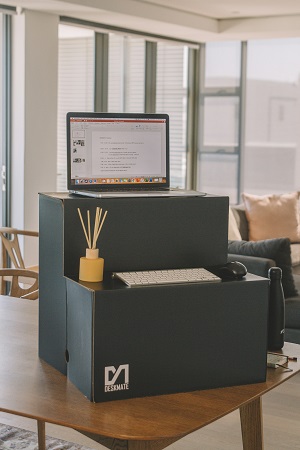
When selecting a chair, look for models with adjustable features allowing customization to fit individual body shapes and sizes. Additionally, a chair with armrests can help reduce the strain on the shoulders and neck. Complementing an ergonomic chair, an adjustable standing desk can also be an excellent addition to your home office setup. These desks allow users to alternate between sitting and standing throughout the day, promoting better circulation and reducing the risks associated with prolonged sitting.
Besides chairs and desks, incorporating keyboard trays and monitor stands can significantly enhance ergonomic setup. A keyboard tray can ensure that the wrists remain straight while typing, reducing the risk of repetitive strain injuries. Furthermore, a monitor stand can elevate the screen to eye level, which helps maintain proper head alignment and reduce neck discomfort. Collectively, these ergonomic furniture choices not only enhance comfort but also contribute to increased productivity by allowing you to focus more on your tasks rather than discomfort.
Organizing for Success: Storage Solutions
A well-organized home office is essential for fostering productivity and efficiency. Implementing effective storage solutions can significantly contribute to a clutter-free environment, ultimately enhancing focus. There are several storage options available that cater to varying needs and preferences, ensuring that your workspace remains tidy and functional.
Consider incorporating shelving units to maximize vertical space. These units can hold books, binders, and decorative items, keeping essential materials within easy reach while maintaining an organized appearance. Floating shelves are particularly useful in smaller home offices, as they do not occupy floor space while providing ample storage opportunities.
Filing cabinets are another important aspect of an effective storage strategy. They help in systematically storing documents, ensuring that important papers are easily accessible when required. Various styles, such as vertical or lateral filing cabinets, can fit seamlessly into the aesthetic of your office while fulfilling their purpose. Additionally, color-coded filing systems can enhance organization and facilitate quick retrieval of documents, streamlining your workflow.
Desk organizers also play a crucial role in maintaining an orderly workspace. Items like pen holders, paper trays, and drawer dividers can categorize your tools and materials, preventing chaos on your desk. Transparent storage containers allow you to visualize contents at a glance, making it easier to find what you need without sifting through disorganized clutter.
Furthermore, incorporating digital storage solutions, such as cloud services for documents, can reduce physical paperwork, contributing to an overall clean environment. These digital options not only save physical space but also enhance accessibility and security for important files.
In conclusion, effective storage solutions, including shelving units, filing cabinets, and desk organizers, are paramount in creating a productive home office. By implementing a well-thought-out organization system, you can transform your workspace into a hub of efficiency and creativity.
Incorporating Technology for Efficiency
In a home office setup, the integration of technology plays a crucial role in enhancing productivity. The right combination of hardware and software ensures that tasks are executed efficiently and that individuals can work to the best of their abilities. One of the primary considerations when establishing a home office is selecting appropriate hardware. A reliable laptop or desktop computer serves as the backbone of any productive workspace. It is essential to invest in a machine that suits one’s particular work needs, whether it involves graphic design, data analysis, or writing. The performance, portability, and specifications of the computer should align with the individual’s workflow requirements.
Beyond hardware, incorporating software tools can significantly improve efficiency. Project management tools, such as Asana or Trello, facilitate tracking of tasks and deadlines, allowing individuals to keep their projects organized and on schedule. These platforms provide visual representations of work progress and enable effective collaboration with team members, even from a distance.
Effective communication is vital in any workspace, especially in a home office where interaction might be limited. Tools like Slack, Microsoft Teams, or Zoom enhance real-time communication, making it easier to connect with colleagues seamlessly. Video conferencing solutions are also beneficial for meetings, enabling clear and face-to-face discussions that can enhance team cohesion.
Another layer of efficiency can be added through document organization software. Programs such as Google Workspace or Microsoft Office 365 allow easy access to files and collaborative work on documents and spreadsheets. Cloud storage solutions also ensure that data is securely stored and can be accessed from multiple devices.
By thoughtfully incorporating the right technology into a home office, productivity can be maximized, creating an environment that not only supports work needs but also fosters a sense of professionalism and organization.
Creating an Inspiring Atmosphere
The aesthetics of a home office play a crucial role in influencing productivity and overall work satisfaction. A well-designed workspace not only reflects personal style but also fosters a sense of motivation and creativity. By thoughtfully selecting elements such as décor, colors, and natural elements, one can significantly enhance the atmosphere and functionality of their work environment.
One effective way to personalize your home office is through color selection, as colors can evoke specific emotions and behaviors. For instance, blue hues are known for promoting calmness and focus, while shades of yellow can inspire optimism and creativity. By incorporating these colors through wall paint, furniture, or accessories, individuals can cultivate an environment that aligns with their work goals.
Additionally, decorative elements such as artwork, motivational quotes, and personal souvenirs contribute to making the space uniquely yours. These items can serve as reminders of accomplishments and goals, leading to increased motivation during work hours. Consider creating a vision board or displaying images that resonate with your professional aspirations as a source of ongoing encouragement.
Incorporating plants into the office design is another effective way to create a nurturing atmosphere. Research suggests that greenery in the workspace can improve air quality and reduce stress, leading to heightened focus and productivity. Choose low-maintenance plants like succulents or snake plants, which add life to the space without demanding excessive upkeep.
In summary, an inspiring atmosphere in a home office is key to enhancing productivity. By personalizing the workspace through thoughtful color choices, meaningful decor, and the introduction of plants, individuals can create an environment that not only allows them to work effectively but also inspires creativity and motivation throughout their professional journey.
Planning a Daily Routine
Establishing a daily routine is essential for those working from home, as it helps in maintaining productivity and focus throughout the workday. A well-structured routine allows individuals to define clear objectives, allocate time for various tasks, and ultimately create a balanced work-life environment. One effective technique for enhancing productivity is time blocking, which entails dividing the workday into distinct segments dedicated to specific activities. By allocating fixed time slots to tasks, individuals can minimize distractions and remain on track to meet their goals.
Additionally, incorporating regular breaks is crucial within a work-from-home schedule. Research has shown that taking short breaks can boost concentration and refresh the mind. The Pomodoro Technique, which promotes working for 25 minutes followed by a 5-minute break, is a popular method that many find effective. These intervals help in maintaining energy levels, preventing burnout, and breaking the monotony of one’s work environment.
Moreover, creating a dedicated work schedule that aligns with personal productivity peaks can significantly enhance efficiency. Individuals often experience varying levels of energy and focus during different times of the day, known as their circadian rhythms. By identifying when productivity is at its zenith—either in the morning, afternoon, or evening—one can tailor their work schedule accordingly. This personalized approach not only maximizes output but also aligns with the natural rhythms of the body, leading to more satisfying and effective workdays.
In conclusion, a thoughtfully planned daily routine incorporating time management techniques, regular breaks, and alignment with productivity peaks is pivotal for optimizing performance while working from home. Adopting these strategies can transform one’s home office experience, leading to increased satisfaction and output.
Minimizing Distractions and Improving Focus
Creating a dedicated workspace at home is crucial for enhancing productivity. However, the home environment often presents numerous distractions that can hinder focus. One of the foremost strategies to minimize interruptions is the use of noise-canceling headphones. These headphones can significantly reduce background noise, allowing you to concentrate better on your tasks. Furthermore, playing soft background music or white noise can further enhance your focus and drown out any external disruptions.
Another effective method for maintaining concentration is establishing designated “do not disturb” periods during your workday. During these times, inform family members or housemates that you are unavailable for non-urgent matters. You might consider utilizing visual cues, such as closing your office door or placing a sign on your workspace that indicates your availability. This simple measure helps create a boundary that signals the importance of uninterrupted work time.
Additionally, setting clear boundaries with household members is vital for fostering an environment conducive to productivity. Discussing your work schedule with family or roommates can significantly reduce the likelihood of unexpected interruptions. Encourage them to respect your workspace and understand that, while working from home affords flexibility, it is important to treat this setup with the seriousness it deserves.
Moreover, managing your digital environment is equally critical. Consider silencing notifications on your devices or utilizing apps that block distracting websites during work hours. This dual approach—addressing both physical and digital distractions—can lead to an enhanced focus and improved productivity. By implementing these strategies, you will create a home office atmosphere that supports concentration and effectiveness in your work tasks.
Conclusion and Final Thoughts
Creating an effective home office setup is essential for enhancing productivity and maintaining focus in a work-from-home environment. Throughout this blog, we explored various strategies and ideas that can transform your workspace into a more efficient and enjoyable area. From ergonomic furniture choices to effective organization techniques, numerous elements can contribute to a more conducive work atmosphere.
Firstly, we discussed the importance of selecting the right furniture, which includes investing in an ergonomic chair and desk that promote good posture and comfort. The arrangement of furniture also plays a vital role; positioning your desk near a window can allow for natural light, significantly impacting mood and energy levels. Secondly, we highlighted the significance of minimizing distractions. Utilizing tools such as noise-cancellation headphones or isolating work zones within your home can help maintain focus during work hours.
Additionally, personalizing your workspace through decor, such as artwork or plants, can lead to increased motivation and creativity. Creating a visually appealing environment fosters positive feelings and helps one to stay engaged with their tasks. The integration of technology and digital tools was also a significant topic, playing a crucial role in streamlining tasks and improving overall workload management.
As you reflect on your current home office configuration, think about which ideas resonate with you the most. Experimenting with different setups and adjustments can ultimately lead to discovering the best combination tailored to your specific needs. Readers are encouraged to share their unique home office experiences, as collaboration and exchange of ideas can further inspire improvements in workspaces. Embrace these suggestions and take the necessary steps toward creating a productive home office space that works for you.