
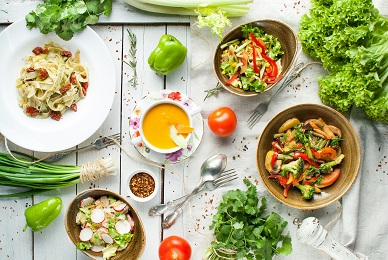
Introduction to Seasonal Eating
Seasonal eating is a practice that emphasizes the consumption of ingredients that are harvested during their natural growing seasons. This approach not only fosters a closer connection between consumers and the agricultural cycles but also promotes numerous benefits for health, flavor, and the environment. By integrating seasonal ingredients into our diets, we can enjoy fresher products that are often more flavorful and nutritious than their out-of-season counterparts. One of the primary advantages of seasonal eating is the enhanced flavor of ingredients. Fruits and vegetables that are in season are typically allowed to mature naturally, which leads to richer tastes and better texture. For instance, sun-ripened tomatoes at the height of summer boast a sweetness and juiciness that is hard to replicate during the off-season. Consequently, meals prepared with seasonal produce can be more satisfying and palatable, thus encouraging a diverse and enjoyable diet.
Moreover, seasonal eating contributes to improved nutrition. In-season produce is generally fresher and less processed, retaining more of its essential vitamins and minerals. Eating a variety of seasonal ingredients not only supports individual health but also the body’s natural rhythms, enhancing overall well-being. Enhanced nutrition is just one more reason to consider shifting toward a seasonal eating pattern.
In addition to health benefits, seasonal eating positively impacts the environment. When we choose to consume local, seasonal ingredients, we reduce the carbon footprint associated with transporting out-of-season produce from distant locations. This practice supports local farmers and encourages sustainable agriculture, helping to preserve the environment for future generations. By adopting a seasonal eating approach, we can play a significant role in fostering a more sustainable food system while enjoying the myriad flavors that each season has to offer.
Spring Delights: Fresh Greens and Herbs
Spring brings a bounty of fresh ingredients that enliven meals with vibrant flavors and enticing colors. As the season transitions, various greens and herbs become readily available, transforming culinary experiences. Among the standout seasonal ingredients are asparagus, peas, and spinach, each offering unique nutritional benefits and culinary versatility.
Asparagus, characterized by its tender stalks, is not only a delicious spring vegetable but also loaded with vitamins A, C, E, and K. It can be grilled, roasted, or steamed, making it an excellent addition to salads, pasta dishes, or as a standalone side. Pairing asparagus with a squeeze of lemon and olive oil enhances its natural flavor, offering a fresh and zesty complement to various proteins.
Fresh peas herald the arrival of spring with their sweet and delicate flavor profile. They can be enjoyed raw, added to salads for a crunchy texture, or cooked into soups and stews. The natural sweetness of peas can balance earthy flavors in a dish, providing excellent contrast when paired with rich ingredients such as butter or cream.
Spinach, a powerhouse of nutrients, thrives in the spring months. This leafy green can be utilized in salads, smoothies, and sautés. Its mild taste allows it to blend seamlessly into a variety of dishes, serving as a nutrient-dense filler in omelets or pasta. Additionally, incorporating spinach into sauces or dips can enhance both flavor and health benefits.
Fresh herbs like basil and mint also emerge in the spring, introducing aromatic elements to dishes. Basil can elevate recipes ranging from pasta to pizza, while mint adds a refreshing note to salads, desserts, and beverages. Utilizing these herbs not only enhances the taste but also introduces antioxidants into meals.
Overall, focusing on seasonal ingredients such as asparagus, peas, spinach, and fresh herbs like basil and mint can significantly improve meals in the spring. Their availability not only enriches the dining experience but also encourages culinary creativity, making it simple to infuse freshness and flavor into everyday cooking.
Summer Bounty: Fruity Flavors and Veggie Variety
As summer unfolds, it brings an array of vibrant, seasonal produce that elevates culinary creations. This time of year is particularly renowned for its fresh fruits and vegetables, which play a crucial role in enriching our meals. Key players in the summer bounty include tomatoes, peaches, corn, and zucchini, each boasting unique flavors and textures that can be seamlessly incorporated into a variety of dishes.
Tomatoes, for instance, are at their peak during summer, offering a juicy sweetness that can transform salads, sandwiches, and sauces. Their versatility allows them to shine in simple caprese salads, where fresh mozzarella complements the tomatoes’ taste, or in more complex sauces that accompany pasta. The abundance of different tomato varieties, including heirloom, cherry, and Roma, provides ample opportunity for creativity in the kitchen.
Peaches, with their delicate sweetness and fleshy texture, can also enhance a broad spectrum of meals. Their natural juiciness makes them perfect for summer desserts, such as tarts or sorbets, while they can equally serve as a refreshing component in savory salads or grilled dishes, pairing well with proteins like chicken or pork.
Corn is another summer staple, celebrated for its crunch and sweetness. Whether grilled on the cob, creamed, or used in salsas, fresh corn adds a delightful pop of flavor to countless recipes. Its versatility is unmatched, transforming simple meals into something extraordinary.
Lastly, zucchini is a summer vegetable that can often be found in abundance. This adaptable ingredient can be spiralized into noodles, sautéed, or stuffed, making it an ideal addition to a range of dishes, from savory casseroles to light stir-fries. Overall, summer’s bounty truly enhances the flavor profile of every meal, inviting culinary exploration in the form of sweet, fruity, and refreshing combinations.
Autumn Harvest: Roots and Squashes
The arrival of autumn marks a significant transition in culinary practices, particularly with the abundance of root vegetables and squashes that become readily available. This season is heralded by a rich harvest, introducing a range of flavors and textures that elevate comfort food to a new level. Ingredients such as pumpkins, sweet potatoes, and beets not only embody the essence of fall but also enrich meals with their unique taste profiles.
Pumpkin, often associated with festive gatherings and seasonal treats, serves as a versatile ingredient that can be utilized in both savory and sweet dishes. Its natural sweetness and creamy texture make it an ideal addition to soups, stews, and baked goods. For instance, a pumpkin soup, spiced with nutmeg and cinnamon, can serve as a warming starter during chilly evenings. Additionally, roasted pumpkin serves as a hearty side dish that pairs well with a variety of proteins.
Similarly, sweet potatoes have earned their place in the autumn repertoire due to their natural sweetness and nutrient density. They can be roasted for a caramelized flavor, mashed for a creamy texture, or even made into fries as a delightful comfort snack. The versatility of sweet potatoes allows them to shine in both traditional dishes such as casseroles and innovative culinary creations.
Beets, with their vibrant color and earthy flavor, provide a visually appealing and flavorful component to meals. They can be roasted, pickled, or used raw in salads to add depth. A beet salad with goat cheese and walnuts offers a perfect mix of flavors and is a testament to the beauty of autumn produce.
Incorporating these root vegetables and squashes into autumn meals not only enhances flavors but also celebrates the seasonal bounty, allowing for a creative exploration of comfort food. Each ingredient carries its distinct characteristics, transforming simple dishes into satisfying culinary experiences.
Winter Wonders: Citrus and Brassicas
As the winter months cast a chill over the landscape, nature’s bounty remains vibrant, showcasing seasonal ingredients that not only uplift our spirits but also enhance the nutritional value of our meals. Among the standout offerings of this season are citrus fruits and cruciferous vegetables, both celebrated for their bright flavors and health benefits. Citrus fruits, such as oranges, lemons, and grapefruits, introduce a zesty and refreshing element to winter dishes. Rich in vitamin C, these fruits bolster the immune system during the cold season, helping fend off illness while adding a pop of color to your plate.
Oranges, for instance, can be used in salads, desserts, or simply enjoyed on their own for a sweet snack. The zest of lemons infuses a delightful tang into marinades and dressings, elevating the flavors of various dishes. Incorporating these citrus varieties not only diversifies the palate but also balances heavier winter fare, effectively marrying sweetness with acidity to create harmonious flavor profiles.
On the other hand, cruciferous vegetables, notably including broccoli, brussels sprouts, and cauliflower, provide vital nutrients and dietary fiber essential for maintaining overall health in the winter months. These vegetables can be roasted, steamed, or sautéed, allowing for versatile preparation methods suited for any meal. Their robust flavors and textures offer a satisfyingly hearty contrast to the lighter citrus ingredients. Additionally, cruciferous vegetables are known for their cancer-preventive properties and high antioxidant content, enhancing the nutrient density of winter meals.
Incorporating both citrus and brassicas into your cooking routine can reinvigorate your winter diet. These ingredients not only add brightness and flavor but also provide significant health benefits, making every meal during the colder months more enjoyable and nutritious.
Choosing Fresh and Local Ingredients
When it comes to enhancing the quality of your meals, sourcing fresh and local ingredients is paramount. The benefits of purchasing produce from local farmers’ markets or the seasonal sections of grocery stores cannot be overstated. Not only do these options support local economies, but they also offer fresher and often more nutritionally rich ingredients. Ingredients that are in season are typically harvested at their peak ripeness, ensuring that you receive the best flavor and texture in your meals.
To select the freshest produce, it is essential to focus on several visual and tactile cues. Begin by examining the color of the fruits and vegetables; vibrant colors often indicate ripeness and quality. For instance, when choosing tomatoes, seek out those with a deep red hue, which suggests optimal maturity. Furthermore, firm texture is a key indicator of freshness. A ripe peach should yield slightly when gently squeezed, indicating it is ready for consumption. Conversely, overly soft or mushy produce may indicate overripeness and diminished quality.
Additionally, consider the smell of the ingredients. Fresh produce often emits a rich, appealing aroma, indicative of its freshness and quality. For example, a ripe melon should have a sweet, fragrant scent. It is also beneficial to learn about the different seasons for various crops, enabling you to choose ingredients that are naturally in season. Seasonal grocery sections often feature such produce, allowing you to make informed decisions that benefit your palate, health, and the environment.
Incorporating fresh, locally sourced ingredients into your meals not only enhances flavor but also promotes a sustainable lifestyle. By prioritizing these choices, you contribute positively to your community while enjoying the unparalleled taste that comes from nature’s freshest offerings.
Pairing Seasonal Ingredients with Proteins
Integrating seasonal ingredients into meals not only enhances flavor but also boosts nutritional value. A diverse range of seasonal vegetables and fruits can be paired with various proteins to create balanced and satisfying dishes. The key is to highlight the natural flavors of the ingredients, making them complement rather than overshadow one another.
For example, during the spring months, fresh asparagus is abundant. This versatile vegetable pairs exquisitely with grilled chicken or fish. A simple dish of grilled salmon on a bed of sautéed asparagus can be elevated with a lemon-dill sauce, enhancing the freshness of the fish and the greens. Likewise, chicken breasts can be marinated with garlic and herbs, then broiled alongside asparagus to create a flavorful combination.
Summer produces a vibrant selection of fruits and vegetables, such as tomatoes and bell peppers. These can be excellent partners for both meats and plant-based proteins. Consider a quinoa salad with roasted bell peppers, cherry tomatoes, and feta cheese, which can be complemented by grilled shrimp or chicken. The sweetness of the roasted peppers combined with the protein creates a well-rounded dish that tantalizes the palate.
As autumn arrives, root vegetables become more prominent. Carrots, sweet potatoes, and butternut squash pair beautifully with hearty proteins like beef or pork. A pot roast featuring seasonal root vegetables can serve as a comforting meal, where the natural sweetness of the vegetables balances the richness of the meat. For a plant-based alternative, consider a lentil stew with roasted sweet potatoes, offering depth and nutrition while featuring the earthy flavors of the season.
Finally, winter brings an array of leafy greens, such as kale and Swiss chard. These can be used in grain bowls topped with roasted chicken or tofu, drizzled with tahini or peanut sauce. This not only accentuates the flavors of the greens but also provides a satisfying, high-protein option, suitable for a variety of dietary preferences.
Recipes Featuring Seasonal Ingredients
Seasonal ingredients not only enhance the flavor of dishes but also bring a sense of freshness and sustainability to everyday meals. Integrating these ingredients can be both enjoyable and nourishing. Here, we present a collection of recipes that celebrate seasonal produce throughout the year.
Spring: Asparagus and Pea Risotto
A creamy, vibrant risotto featuring fresh asparagus and sweet peas embodies the essence of spring. Start by sautéing onions in olive oil, adding Arborio rice until it becomes slightly translucent, then gradually incorporate vegetable broth. Stir in blanched asparagus and peas towards the end, along with grated Parmesan cheese, to achieve a luscious texture.
Summer: Grilled Vegetable Salad
Summer brings a bounty of colorful vegetables, perfect for grilling. Choose zucchini, bell peppers, and eggplant. Toss the vegetables in olive oil, salt, and pepper before grilling until tender. Serve over a bed of mixed greens, topped with a light vinaigrette made from balsamic vinegar and honey, creating a refreshing salad.
Autumn: Pumpkin Soup
As temperatures drop, a comforting pumpkin soup is ideal for showcasing the rich flavors of autumn. Roast fresh pumpkin cubes until tender, then blend with sautéed onions, garlic, and vegetable broth. Season with nutmeg and cream for a silky finish. This hearty soup can be served with crusty bread for a satisfying meal.
Winter: Citrus Tart
As winter sets in, citrus fruits come into season. A citrus tart can brighten any dessert table. Prepare a buttery crust and fill it with a mixture of fresh lemon and orange juice combined with eggs and sugar. Bake until set and serve chilled, garnished with whipped cream, highlighting the refreshing aspect of winter produce.
These recipes not only utilize seasonal ingredients but also exemplify how they can elevate everyday meals across various seasons. Embracing seasonality enhances not just flavor, but also supports local agriculture and sustainability.
The Environmental Impact of Eating Seasonally
In recent years, there has been a heightened emphasis on the significance of eating seasonally. This practice not only enhances the flavor of meals but also has profound implications for environmental sustainability. When individuals choose to consume seasonal ingredients, they inherently support local farmers and sustainable farming methods. Such practices prioritize crop rotation, organic growing techniques, and biodiversity, which collectively promote healthier ecosystems.
One of the most notable environmental benefits of seasonal eating is the reduction of carbon footprints associated with food transport. Ingredients that are grown in the local vicinity require less transportation, which diminishes fossil fuel consumption and subsequently lowers greenhouse gas emissions. Moreover, agriculture that is in harmony with the local climate conditions can lead to a decrease in the need for artificial fertilizers and pesticides, further enhancing environmental health.
Additionally, seasonal ingredients are generally more affordable, as they are abundant during their harvest periods. This cost-effectiveness allows consumers to access fresher, nutritionally dense produce while reducing waste associated with spoilage from longer supply chains. By embracing local and seasonal food systems, individuals contribute not only to their own health but also foster a more resilient agricultural industry that can withstand the challenges of climate change.
Choosing seasonal ingredients also promotes a deeper connection between consumers and the food they eat. It encourages awareness of the growing seasons and the local agricultural landscape, which can foster community support for farmers. Consequently, when the community invests in local food systems, it creates stronger ties among farmers, consumers, and the economy, leading to a more sustainable environment overall.