
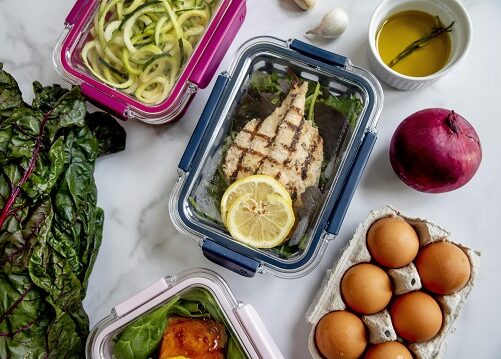
Introduction to Meal Prep
Meal prepping, a process that involves planning and preparing meals in advance, has gained popularity among those seeking to streamline their cooking routine. For beginners, understanding the fundamentals of meal prep can be transformative, yielding numerous benefits. One of the primary advantages is the significant time savings it offers during the week. By dedicating a few hours on the weekend to cook and portion meals, individuals can eliminate the daily stress of deciding what to eat. This organized approach allows for a smoother week ahead. In addition to saving time, meal prepping fosters healthier eating habits. When meals are prepared ahead of time, there is a lower likelihood of resorting to unhealthy convenience foods or takeout options. By having nutritious, home-cooked meals readily available, individuals can make better dietary choices that align with their health goals. This habit not only supports weight management but also encourages a more balanced diet rich in essential nutrients.
Planning meals ahead of time is another key component of successful meal prep. This involves choosing recipes that are both appealing and easy to prepare, as well as creating a shopping list that includes all the necessary ingredients. By organizing meals in advance, beginners can ensure they have variety throughout the week while making the most of their grocery budget. Moreover, meal prepping also helps minimize food waste, as ingredients can be purchased with specific recipes in mind, leading to more intentional cooking habits.
Overall, embracing the concept of meal prepping not only aids in time management but also promotes healthier choices and a structured approach to eating. For beginners, it serves as a practical solution to overcome the common challenges of daily meal preparation.
Essential Meal Prep Tools and Supplies
When embarking on the journey of meal prepping, having the right tools and supplies is crucial for efficiency and effectiveness. The first essential item is a set of durable and versatile containers. These containers come in various sizes and shapes, allowing for proper storage of different types of meals. Opt for BPA-free options that are microwave and dishwasher safe for added convenience. Glass containers are particularly beneficial as they can withstand higher temperatures and do not stain or retain odors, making them an ideal choice for meal prep.
In addition to containers, investing in quality kitchen gadgets will enhance your meal prep experience. A good blender is indispensable for smoothies, soups, and sauces, while a food processor can save time when chopping and mixing ingredients. Slow cookers and Instant Pots are also fantastic tools for hands-off cooking, allowing you to prepare large batches of stews, casseroles, or grains while you attend to other tasks.
Another important consideration is having an assortment of utensils on hand. A sharp chef’s knife, cutting board, and measuring cups are fundamental for accurate food preparation. Consider silicone spatulas and wooden spoons to facilitate easy mixing without damaging your containers. Additionally, having good quality kitchen scales can aid in portion control, ensuring you create balanced meals.
Lastly, having access to meal prep resources whether through cookbooks, websites, or apps can serve as valuable guides. These resources can provide you with tried-and-true recipes and innovative ideas, making your meal prep less daunting and more enjoyable. By gathering these essential tools and supplies, beginners will be better equipped to embrace the habit of meal preparation, setting themselves up for success.
Planning Your Meals: A Step-by-Step Guide
Meal planning is a crucial first step in the meal prep process, especially for beginners. The objective is to create a structured approach to selecting meals that are both healthy and enjoyable while also fitting seamlessly into your weekly schedule. Start by choosing a set day each week for meal planning; this could be a weekend day when you have more time.
Begin your planning by selecting recipes. Simplicity is key here, so aim for recipes that require minimal ingredients and are straightforward to prepare. Look for meals that can be made in batches or that use similar ingredients to minimize food waste. Websites and cookbooks dedicated to meal prep often provide inspiration and guidance. It may be beneficial to focus on a few cornerstone recipes each week, allowing you to rotate them with variations to keep meals interesting.
Once you have selected a few recipes, create a weekly menu. This should include an outline of what you will eat each day, specifying breakfast, lunch, dinner, and snacks. Consider your schedule for the week ahead—if you have a busy day, you might want to prepare something that is quick to reheat, while lighter meals could be included on days when you have more time to cook.
With your weekly menu established, the next step is to develop a grocery list. Compile a list that includes all the ingredients needed for your chosen recipes while checking your pantry for items you may already have. Organizing the list by sections of the grocery store (produce, dairy, grains, etc.) can make shopping more efficient. This systematic approach to planning your meals helps streamline the prepping process, making it more manageable and enjoyable for beginners.
Simple Recipes for Meal Prep Beginners
Embarking on a journey towards simple meal prep can be both exciting and overwhelming for beginners. Fortunately, there are a variety of straightforward recipes that require minimal ingredients and minimal preparation time while still providing delicious and healthy options for breakfast, lunch, and dinner.
For breakfast, one highly recommended option is overnight oats. This recipe is incredibly easy to prepare. Simply combine rolled oats with your choice of milk or yogurt, and add your favorite toppings such as fresh fruits, nuts, or honey. By preparing these the night before, you save valuable time in the morning and ensure a nutritious start to your day. Chia pudding is another excellent choice. Mix chia seeds with milk and let it sit overnight. Variations can include cocoa powder, vanilla extract, or fruits, making it versatile and appealing for all taste preferences.
When it comes to lunch, consider batch cooking quinoa or brown rice as a base for various bowls. Prepare a large quantity at once, and the next day, you can divide it into portions and top with a variety of proteins such as grilled chicken, chickpeas, or tofu. This method allows for easy customization throughout the week, ensuring you don’t get bored with your meals. Additionally, a simple vegetable stir-fry can be a fantastic meal prep idea. Choose seasonal vegetables, sauté them in olive oil, and mix in your preferred sauces; this can be served with your grain base for a satisfying meal.
Finally, a hearty soup or stew can serve as a wonderful dinner option. Prepare a large pot filled with vegetables, legumes, and low-sodium broth. Allow it to simmer until all flavors meld together, then portion it out for quick reheating dinners. Such meals are nutrient-dense and can easily last in the refrigerator for several days.
Batch Cooking: Tips and Techniques
Batch cooking is a practical approach that allows individuals to prepare large quantities of meals in one go, saving both time and effort during the week. This method not only streamlines cooking but also enables home cooks to maintain control over their diet and nutrition. By dedicating a few hours once or twice a week to batch cooking, one can create a variety of meal options that are ready to be enjoyed.
To begin with, plan your meals for the week ahead. Choose recipes that share similar ingredients, which can minimize preparation time and reduce food waste. Grains, proteins, and vegetables are typically cooked in bulk during this process. For instance, cooking a large batch of quinoa or brown rice can serve as a base for various dishes throughout the week. Similarly, roasting a tray of mixed vegetables not only maximizes flavor but also provides a versatile component for salads, stir-fries, or grain bowls.
Proper storage is essential for maintaining the quality of batch-cooked meals. Invest in high-quality, airtight containers that are suitable for both refrigeration and freezing. Label each container with the contents and date to avoid any confusion later. When preparing proteins such as chicken, beef, or plant-based alternatives, cook them thoroughly but avoid overcooking to ensure they remain juicy when reheated. It is advisable to cool down cooked food to room temperature before refrigerating to minimize spoilage risks.
When it comes to reheating meals, methods such as using the microwave or oven can be effective. However, ensuring that the food reaches the appropriate temperature throughout is crucial for food safety. For best results, reheat single portions to preserve the remaining food quality, and always check food temperatures with a food thermometer if available. By incorporating these strategies into your routine, batch cooking can become an enjoyable and rewarding practice that enhances your meal planning efforts.
Storage and Organization Tips for Meal Prep
Effective meal prep hinges not only on the cooking process but significantly on the storage and organization of prepared meals. Properly storing meal prep items is essential for extending their shelf life and maintaining food safety. One of the foundational elements of meal prep success is utilizing high-quality, airtight containers. These containers protect food from contamination, moisture, and odors, ensuring that meals remain fresh.
Labeling containers is another crucial practice that helps streamline meal prep. Each container should have a label that includes the meal name and the date it was prepared. This strategy assists in tracking freshness, allowing individuals to consume items within their intended shelf life. Furthermore, employing a color-coded system can add an extra layer of organization, making it easy to identify different types of meals or dietary restrictions at a glance.
Organizing the fridge and pantry is equally important. Group similar items together, such as proteins, vegetables, and grains, and place them at eye level. This organization not only saves time during meal assembly but also reduces the chances of food waste, as you can quickly see what ingredients you have on hand. When it comes to extending the shelf life of prepped meals, both refrigeration and freezing can be effective. For freezing, ensure that meals are cooled completely before placing them in containers. Use freezer-safe bags or containers, removing as much air as possible to prevent freezer burn.
Portion control is another vital aspect of meal prep. By portioning meals into single-serving sizes, individuals can reduce the temptation to overeat and make weekday lunches and dinners effortlessly accessible. Employing a system for tracking portions can also help maintain a balanced diet. With these organization strategies, meal prepping can become an enjoyable and efficient process, leading to healthier eating habits.
Eating Healthy on a Budget: Affordable Meal Prep Ideas
Maintaining a nutritious diet while adhering to a budget can often seem challenging. However, with thoughtful meal preparation, it is possible to eat healthy without overspending. One of the first steps in budget-friendly meal prep is selecting affordable ingredients. Focus on pantry staples such as rice, beans, lentils, oats, and seasonal vegetables. These ingredients are not only cost-effective but also versatile and nutritious.
Shopping in bulk is another effective strategy for saving money on groceries. Many stores offer discounts on bulk purchases, allowing you to stock up on essentials like grains, legumes, and frozen fruits and vegetables. These bulk items form the backbone of a healthy meal prep plan, providing the necessary nutrients to fuel your body. Additionally, incorporating local farmers’ markets into your grocery shopping routine can result in significant savings while supporting your community. Seasonal produce tends to be cheaper, fresher, and more flavorful, enhancing the overall quality of your meals.
To illustrate the potential for healthy meal prep on a budget, consider simple recipes such as vegetable stir-fry with brown rice or a hearty lentil soup. Both dishes can be made in large batches, easily stored, and enjoyed throughout the week. For the stir-fry, combine seasonal veggies such as bell peppers and broccoli with a protein source like tofu or chicken for a well-rounded meal. Alternatively, lentil soup can be made with minimal ingredients like carrots, onions, and canned tomatoes, developing a rich flavor from herbs and spices.
In conclusion, by utilizing affordable ingredients, shopping wisely, and preparing meals in bulk, you can effectively maintain a healthy diet on a budget. Embracing budget-friendly meal prep not only helps in saving money but also encourages healthier eating habits.
Common Meal Prep Mistakes to Avoid
Embarking on the journey of meal prep can be both exciting and daunting for beginners. However, to ensure a smooth experience, it is crucial to avoid certain common pitfalls that many newcomers encounter. One such mistake is over-complicating recipes. In the enthusiasm to create gourmet-style meals, beginners often find themselves selecting complex recipes that require numerous ingredients and elaborate cooking techniques. To mitigate this challenge, it is advisable to start with simple recipes that focus on a few core ingredients. This practice not only simplifies the cooking process but also enhances the likelihood of meal prep success.
Another frequent error is inadequate planning. Many beginners jump into meal preparation without formulating a clear plan. This lack of organization can lead to confusion over what ingredients to buy or how to allocate cooking time. To address this issue, developing a weekly meal plan can be incredibly beneficial. Allocate time to decide on the meals for the week, create a shopping list based on those choices, and schedule specific days for meal prep. Adhering to a structured plan can alleviate unnecessary stress and streamline the entire process.
Additionally, creating excessive quantities of food is a common misstep. Beginners often prepare large batches of meals under the assumption that it is more efficient. While batch cooking can save time, preparing more food than one can consume often results in wastage. To minimize this, it is essential to gauge portion sizes accurately and consider how often meals will be eaten throughout the week. A sensible approach is to start with smaller portions and gradually increase them as confidence and familiarity with meal prep grows.
Conclusion: Embracing Meal Prep for a Healthier Lifestyle
Meal preparation offers a practical and efficient approach to maintaining a healthier lifestyle, particularly for beginners entering the realm of cooking and nutrition. By planning and preparing meals in advance, individuals can ensure that they have ready-to-eat, nutritious options available, which can significantly reduce the temptation to choose unhealthy alternatives when hunger strikes. Furthermore, meal prep helps to save time during busy weekdays, allowing individuals to enjoy home-cooked meals without the stress of last-minute cooking.
Starting with simple meal prep ideas can instill confidence in beginners by making the kitchen less intimidating and the cooking process more manageable. It is advisable for novices to begin with a limited number of recipes that are easy to follow and use wholesome ingredients. For instance, focusing on a few versatile dishes that can be varied with different seasonings or sides can provide both variety and satisfaction in their meals. Additionally, gradually increasing the complexity or number of dishes prepared each week can help build skills and confidence.
In embracing meal prep, beginners may find themselves not only improving their culinary abilities but also cultivating healthier eating habits. The financial savings associated with meal prepping, such as reduced food waste and lowered grocery bills, can also serve as added motivation. Ultimately, adopting meal preparation as a regular practice equips individuals with the tools they need to make informed dietary choices while leading a balanced lifestyle. By taking the time to prepare meals ahead, one can truly transform their relationship with food and foster a sustainable approach to healthy eating.