
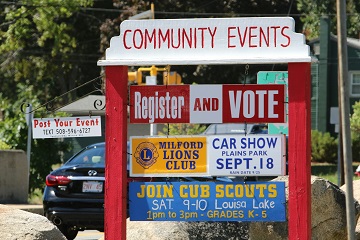
Introduction to Community Events
Community events represent organized activities that bring together local residents, fostering social ties and contributing to the overall vibrancy of a neighborhood. These events can take on diverse forms, ranging from festivals, fairs, and parades to workshops, volunteer days, and cultural celebrations. Each type of community event serves a distinct purpose, aiming to enhance community spirit and promote engagement among participants. One of the primary objectives of community events is to strengthen connections between individuals, creating a sense of belonging and shared identity among residents. They act as platforms for individuals to interact with one another, share experiences, and build friendships. By participating in these activities, community members gain an understanding of one another’s backgrounds, interests, and concerns, which can lead to a more cohesive society. In addition to fostering social connections, community events often highlight local culture and traditions, serving as an opportunity for individuals to showcase their heritage and unique characteristics. For instance, cultural festivals may celebrate the diversity of the community by featuring traditional music, dance, and cuisine, promoting awareness and appreciation of various cultures. Such events not only entertain but also educate attendees about the rich tapestry of local customs and practices.
Moreover, community events can drive local economic growth. By attracting visitors and encouraging residents to shop local, these gatherings can provide a significant boost to local businesses. Furthermore, they may create opportunities for networking among local entrepreneurs and service providers, promoting collaboration that can enhance the community’s commercial landscape.
Overall, community events serve as indispensable tools for promoting social interaction, cultural awareness, and local economic development, highlighting their multifaceted significance in enriching the lives of residents and fostering robust community engagement.
Economic Benefits of Community Events
Community events play a pivotal role in stimulating local economies, serving as catalysts for growth and revitalization in neighborhoods. One of the most notable economic benefits is the increase in foot traffic that these events generate. Local festivals, markets, and fairs attract both residents and visitors, thereby creating a bustling atmosphere that fosters interaction and commerce. The presence of large crowds provides an opportunity for local businesses to promote their goods and services, often leading to significant sales boosts during the event days.
Moreover, community events serve as a platform for local artisans and craftspeople to showcase their talents. For example, farmers’ markets or craft fairs not only help sustain local producers but also offer these individuals an avenue for exposure. Vendors often report increased profit margins during such events, contributing to their overall economic sustainability. In towns such as Asheville, North Carolina, Art in the Park events have shown that local artists can thrive when given exposure to larger audiences, which stimulates both the arts and local patronage.
Promotional opportunities also abound surrounding community gatherings. Local businesses can leverage sponsorship opportunities or partnership deals to enhance their visibility. For instance, businesses may sponsor community events in exchange for advertising space or promotional booths, effectively intertwining marketing efforts with community engagement. A successful example of this is the annual Wine and Food Festival in Temecula, California, which not only highlights regional wineries and culinary talent but also significantly benefits nearby restaurants, hotels, and tourism services.
Ultimately, the economic impacts of community events are profound and far-reaching. From driving foot traffic to supporting local entrepreneurship, these gatherings create a thriving ecosystem that enhances the vibrancy and prosperity of local areas. The integration of culture, commerce, and community can transform small towns and cities into bustling centers of activity and growth.
Social Cohesion and Community Bonding
Community events play a pivotal role in fostering social cohesion and strengthening relationships among residents. These gatherings offer opportunities for individuals from diverse backgrounds to come together, engage in meaningful interactions, and share experiences. As residents participate in collective activities, they contribute to the building of a strong sense of community and belonging.
Moreover, social connections made during these events often transcend casual acquaintances, leading to deeper relationships. Individuals who engage in community events are likely to form bonds based on shared interests, ideas, and goals, which can enhance mutual respect and understanding. Through the lens of shared experiences, community members develop a greater appreciation for each other’s perspectives, fostering inclusivity among varied populations.
Social bonding that arises from these events can have further-reaching implications for community growth. When residents feel more connected to their neighbors, they are more likely to collaborate on local initiatives, participate in civic activities, and advocate for the well-being of their community. This interconnectedness not only promotes a culture of cooperation and participation but also lends itself to the resilience of the community in facing challenges.
Additionally, community events serve as platforms for the exchange of ideas and cultural expressions, facilitating dialogue and collaboration among different demographic segments. In this way, these gatherings not only entertain but also educate residents about each other’s traditions, values, and concerns. This process of learning and adaptation within a community’s social fabric is crucial for promoting understanding and healing divisions that may exist among its members.
In effect, by nurturing social ties and enhancing cooperation, community events are not just celebrations; they are foundational activities that contribute significantly to the overall growth and cohesion of local populations.
Encouraging Volunteerism and Civic Engagement
Community events serve as a catalyst for fostering volunteerism and enhancing civic engagement among residents. Such gatherings provide an accessible platform for individuals to connect with one another, share common interests, and become invested in their local environment. Participation in community events allows residents to experience firsthand the tangible benefits of their contributions, which in turn sparks a deeper commitment to their community’s welfare.
When residents come together for activities such as clean-up drives, festivals, or charity fundraisers, they not only contribute their time and skills but also cultivate a sense of belonging and responsibility. This active participation leads to a stronger sense of ownership over local issues, as individuals realize their efforts can significantly improve their neighborhood or community. Engaging in volunteer opportunities during these events offers residents a chance to develop new skills, build networks, and ultimately foster lasting relationships with their neighbors.
Moreover, community events often highlight the importance of civic engagement, encouraging residents to participate in local governance and decision-making processes. For instance, events may feature town hall discussions or forums that empower residents to voice their opinions on community matters. This collaborative atmosphere nurtures trust and communication between community members and local leaders, promoting transparency and collective responsibility for local challenges.
Importantly, the impact of these events extends beyond immediate participation. They cultivate a culture of volunteerism where community members are more likely to engage in future initiatives. This continuous cycle of involvement fosters resilience, strengthens social ties, and enhances overall community cohesion. Therefore, community events play a crucial role in not only encouraging volunteerism but also in nurturing a vibrant civic culture that empowers residents and enhances the quality of life for all.
Cultural Celebration and Preservation
Community events play a pivotal role in celebrating and preserving local culture and history. They serve as a platform for showcasing the unique traditions, customs, and narratives that define a community’s identity. Festivals, parades, and various cultural gatherings not only attract residents but also engage visitors, fostering a sense of pride and belonging among community members.
One significant aspect of these events is their focus on local traditions. For instance, annual cultural festivals often spotlight indigenous arts and crafts, traditional music, and culinary heritage. Such celebrations encourage artists and artisans to display their work, thus supporting local creators and promoting regional craftsmanship. The showcasing of local food specialties during these events highlights the culinary diversity and history of the region, allowing both residents and tourists to appreciate the flavors that form part of the community’s identity.
Moreover, community parades are essential in preserving historical narratives and cultural symbols. They often depict significant moments in a community’s history, featuring floats and performances that recount local legends or commemorate important milestones. These parades not only entertain but also educate attendees about their shared heritage, strengthening communal ties.
In addition to fostering cultural appreciation, community events contribute to the preservation of endangered traditions. Workshops and demonstrations offered at these gatherings serve to pass knowledge and skills from one generation to the next, ensuring that valuable customs and practices are maintained. Through encouraging community participation, these events bolster cultural cohesion and promote awareness of historical narratives that shape local identities.
Overall, cultural celebrations and preservation efforts during community events are fundamental to maintaining and evolving local identity, ensuring that the unique characteristics of a community endure for future generations.
Education and Awareness through Events
Community events serve as essential educational platforms that provide valuable information on a myriad of topics, including health, environmental science, safety protocols, and social issues. These gatherings create a unique opportunity for local residents to engage with experts, learn new skills, and gain insights into pressing matters that affect their lives and their community. Workshops, fairs, and speaker series are particularly effective in enlightening attendees and fostering communal knowledge.
Workshops are a common feature of community events, where individuals can participate actively in learning. These interactive sessions often cover practical skills, such as gardening, financial literacy, or health management. By attending these workshops, residents gain hands-on experience and knowledge that can be applied directly within their households or businesses, thereby promoting local empowerment.
Community fairs, on the other hand, offer a vibrant platform for information dissemination. They often encompass a wide range of booths and exhibits featuring diverse organizations, including health services, environmental groups, and safety agencies. Such fairs allow attendees to ask questions and receive literature on various subjects, increasing awareness about local issues and resources available to them. Moreover, the informal atmosphere fosters interactions among neighbors, helping to strengthen community ties.
Additionally, speaker series hosted at community events provide an avenue for residents to hear from experts in various fields. These presentations often address current concerns within the community and encourage discussion among attendees. By facilitating dialogue, community events not only inform but also inspire residents to take action in their environment.
Overall, community events significantly impact local growth by enhancing education and awareness. By offering opportunities for engagement and learning, these events empower residents to become more informed and proactive, ultimately contributing to the development and improvement of their communities.
The Role of Technology in Enhancing Community Events
In recent years, technology has become an integral component of community events, facilitating better promotion, streamlined planning, and increased participation. Social media platforms such as Facebook, Twitter, and Instagram allow organizers to effectively reach a broader audience, engaging community members through regular updates, photos, and interactive content. These platforms not only enable real-time communication but also provide opportunities for community members to share their experiences, which can generate buzz and foster a sense of belonging.
Event applications have also revolutionized the way community events are organized and attended. These dedicated apps offer various features, including event schedules, interactive maps, and networking opportunities that enhance participant experiences. With functionality tailored to specific events, such as RSVPs, ticketing, and personalized agendas, these applications help organizers manage logistics efficiently while keeping attendees informed and engaged. Furthermore, by utilizing push notifications, organizers can alert participants about important updates or changes, ensuring they remain in the loop.
Moreover, the incorporation of virtual components, particularly in the wake of recent global events, has been crucial to maintaining community engagement. Virtual events can significantly broaden participation, allowing individuals who may be unable to attend in person due to geographical or financial constraints to partake in community activities. Hybrid events that combine in-person and virtual experiences are emerging as a popular model, as they cater to diverse needs while fostering inclusivity. By leveraging technology to create interactive online experiences, organizers can extend the reach of their events, ensuring that community bonds remain strong even when face-to-face interactions are limited.
Ultimately, the strategic use of technology plays a pivotal role in enhancing community events. By employing social media, event apps, and virtual solutions, organizers can create more accessible, engaging, and successful experiences that contribute positively to local growth and community cohesion.
Challenges of Organizing Community Events
Organizing community events is often a rewarding endeavor, yet it comes with its own set of challenges that organizers must navigate. One of the primary issues faced is funding. Events often require substantial financial resources to cover expenses such as venue rental, equipment, permits, and promotional materials. Without sufficient funding, many plans may fall short, limiting the event’s potential reach and impact. To address this financial hurdle, organizers can explore various funding sources. These might include grants from local government bodies, sponsorships from businesses, and even crowdfunding initiatives that engage community members to contribute.
Logistics represent another critical challenge in the planning of community events. This encompasses everything from selecting an appropriate venue to coordinating transportation and ensuring that necessary permits are secured. Poor logistical planning can lead to setbacks such as last-minute location changes or inadequate facilities for attendees. To streamline this process, creating a detailed event timeline and checklist can be beneficial. Establishing clear communication with vendors and stakeholders can also help minimize confusion regarding timelines and responsibilities.
Volunteer recruitment is equally essential and can be quite challenging. Many community events rely heavily on volunteers to support various activities, but attracting and retaining willing participants can be difficult, especially if volunteers perceive the commitment as too time-consuming or unfulfilling. To counter this issue, organizers can implement outreach campaigns that emphasize the benefits of volunteering, like skill development, networking opportunities, and the chance to contribute positively to the community. Additionally, offering flexible shifts and recognizing volunteer efforts publicly can enhance recruitment and retention.
By identifying these challenges and employing strategic solutions, organizers can pave the way for successful and impactful community events that foster local growth and engagement.
Conclusion: A Call to Action for Future Community Events
As we have explored throughout this post, community events serve as a powerful catalyst for local growth. They not only foster economic development by stimulating local businesses and attracting tourism, but they also promote social cohesion and a sense of belonging among residents. These gatherings provide a unique platform for individuals to engage with one another, share ideas, and collaborate on initiatives that benefit the community as a whole.
It is essential for residents, businesses, and local organizations to recognize the significant impact that well-planned events can have on their neighborhoods. By participating in local celebrations, fundraisers, and cultural festivals, individuals contribute to the vibrancy and sustainability of their community. Additionally, those who take the initiative to organize events play a crucial role in addressing community needs and fostering connections among diverse groups.
Moreover, as communities continue to evolve, adapting events to the changing demographics and interests of residents is vital. This adaptability not only ensures that existing events remain relevant but also opens the door for new traditions that reflect the values and aspirations of all community members. The ongoing support for community events can build lasting relationships, encourage civic engagement, and create a more inclusive environment for everyone.
Therefore, we encourage you to take an active role in your community – whether through volunteering, attending events, or organizing activities that resonate with local residents. Such actions will not only enhance the quality of life within the community but will also contribute to a legacy of unity, strength, and prosperity that future generations can cherish. Let us collectively champion the cause of community events, as they are integral to our growth and development as a connected society.