
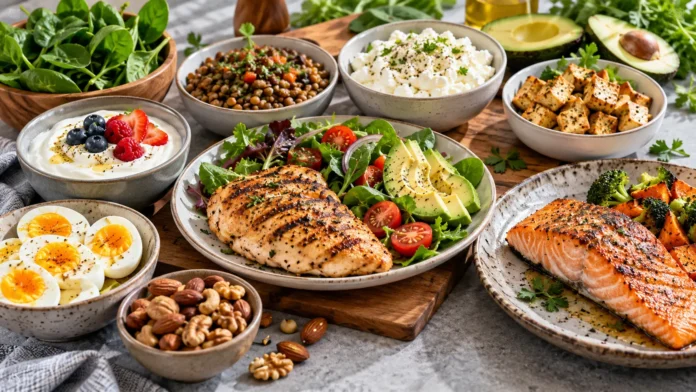
Finding the best foods high in protein for everyday meals does not require expensive ingredients or complicated cooking methods. Many affordable foods provide valuable protein alongside vitamins, minerals, fiber, and healthy fats. Whether you prefer animal-based proteins, plant-based meals, or a combination of both, there are plenty of practical choices. This guide explores nutritious protein sources and simple ways to incorporate them into breakfast, lunch, dinner, and snacks.
Why Protein Is Important for Everyday Nutrition
Protein is made from amino acids, which the body uses to build and maintain muscles, organs, skin, and other tissues. It also plays an important role in producing enzymes, hormones, and antibodies that support normal body functions. Because the body constantly repairs and replaces cells, consuming protein regularly is important. A varied diet helps provide the amino acids needed for these processes.
Protein requirements differ depending on age, activity level, growth, and individual health needs. Rather than focusing only on protein quantities, most people benefit from including a variety of nutritious foods throughout the day. Combining protein sources with vegetables, fruits, whole grains, and healthy fats supports balanced eating. This approach provides additional nutrients that protein-rich foods alone cannot supply.
Both animal and plant foods can contribute valuable protein to everyday meals. Animal proteins such as eggs, dairy, fish, and poultry generally contain all nine essential amino acids in useful proportions. Plant foods can also provide complete proteins or complement one another across a varied diet. Choosing different sources helps make meals interesting, nutritious, and suitable for individual preferences.
Eggs: A Versatile and Affordable Protein Source
Eggs are among the most convenient high-protein foods because they are widely available and easy to prepare. One large egg provides approximately six grams of protein, along with nutrients such as vitamin B12, choline, and selenium. Both the egg white and yolk contribute important nutritional benefits. Their versatility makes eggs useful for breakfast, lunch, and dinner.
Scrambled eggs, omelets, boiled eggs, and vegetable frittatas are simple options for busy mornings. Adding spinach, tomatoes, mushrooms, or peppers provides extra flavor and nutritional variety. Eggs can also be served with whole-grain toast or potatoes to create a balanced meal. These combinations are easy to adjust based on personal preferences and available ingredients.
Beyond breakfast, eggs work well in rice bowls, sandwiches, salads, and homemade wraps. Hard-boiled eggs can be prepared in advance and refrigerated for convenient meals during the week. Always cook and store eggs safely to reduce the risk of foodborne illness. For people without egg allergies or specific dietary restrictions, eggs can be a practical part of regular meals.
Chicken and Turkey: Lean Protein for Everyday Cooking
Chicken and turkey are popular sources of protein that can fit into many different meal styles. Skinless poultry provides substantial protein along with nutrients such as niacin, vitamin B6, and phosphorus. Chicken breast is particularly lean, while thighs offer a richer flavor and different fat content. Both can contribute to balanced meals when prepared appropriately.
Grilled chicken, roasted turkey, and homemade poultry stir-fries are easy options for family lunches and dinners. Pairing poultry with brown rice, roasted vegetables, or whole-grain pasta creates a satisfying meal with different nutrients. Herbs, garlic, lemon, and spices can add flavor without requiring complicated sauces. Rotating cooking methods helps prevent everyday meals from becoming repetitive.
Preparing chicken or turkey in batches can simplify cooking during busy weeks. Cooked poultry can be used in sandwiches, soups, salads, wraps, and grain bowls for different meals. Refrigerate leftovers promptly and reheat them thoroughly before serving. Choosing minimally processed poultry more often than heavily salted deli meats also supports a varied, nutritious eating pattern.
Fish and Seafood: Protein With Valuable Nutrients
Fish and seafood are excellent protein-rich foods that offer additional nutritional benefits depending on the variety. Salmon, sardines, tuna, trout, and shrimp provide useful amounts of protein in relatively straightforward meals. Fatty fish such as salmon and sardines also contain omega-3 fatty acids. These fats play important roles in normal brain and heart function.
Baked salmon with vegetables, grilled fish tacos, and homemade tuna sandwiches are convenient ways to enjoy seafood. Shrimp can be added to stir-fries, rice dishes, or pasta for an easy protein source. Fresh, frozen, and canned seafood can all be practical options. When choosing canned products, consider sodium levels and select varieties that suit your preferences.
Seafood choices should also account for mercury exposure, allergies, sustainability, and individual dietary needs. Fish such as salmon, sardines, and trout are generally lower-mercury choices than certain large predatory species. Pregnant people and children should follow relevant fish consumption guidance. Proper cooking and food storage are equally important for making seafood a safe everyday option.
Greek Yogurt, Cottage Cheese, and Milk for Protein
Dairy products provide convenient sources of protein alongside important nutrients such as calcium, phosphorus, and vitamin B12. Greek yogurt and cottage cheese are especially useful when you want a protein-rich ingredient that requires little preparation. Milk also contributes protein and can be included in many everyday meals. Nutritional amounts vary by product and serving size.
Plain Greek yogurt can be enjoyed with fresh fruit, oats, nuts, or seeds for breakfast. Cottage cheese pairs well with berries, sliced vegetables, whole-grain toast, or baked potatoes. Milk can be added to oatmeal, smoothies, or homemade soups. These simple combinations make it easier to enjoy protein alongside fiber and other essential nutrients.
People who avoid dairy can explore fortified alternatives based on their nutritional needs and preferences. Fortified soy milk typically provides more protein than many almond, rice, or coconut beverages. Lactose-free dairy products may also be suitable for people with lactose intolerance. Comparing nutrition labels helps identify options that provide useful protein, calcium, and other nutrients.
Beans, Lentils, and Chickpeas: Affordable Plant Proteins
Beans, lentils, and chickpeas are among the best plant-based protein foods for affordable everyday cooking. They also provide dietary fiber, iron, folate, and other nutrients that support balanced nutrition. Unlike many animal protein sources, legumes contribute substantial fiber, which supports normal digestive function. Their affordability and long shelf life make them particularly useful household staples.
Lentil soup, chickpea curry, and black bean rice bowls are simple meals built around these ingredients. Kidney beans can be added to chili, while white beans work well in soups and vegetable stews. Chickpeas can also be roasted for a crunchy snack or blended into homemade hummus. Using herbs and spices creates variety without complicated preparation.
Dried legumes usually require soaking or cooking according to the specific variety, while canned versions offer convenience. Rinsing canned beans can help remove some excess sodium from the packing liquid. Combining legumes with vegetables and grains creates filling meals that offer multiple nutrients. For people following vegetarian or vegan diets, legumes are especially valuable everyday protein sources.
Tofu, Tempeh, and Edamame for Plant-Based Meals
Soy foods provide versatile plant-based protein and work well in many familiar recipes. Tofu, tempeh, and edamame contain all nine essential amino acids, making them useful sources of complete plant protein. They also offer additional nutrients, although the amounts vary among products. Their different textures make soy foods suitable for everything from salads to hearty cooked meals.
Firm tofu works particularly well in stir-fries, noodle dishes, and roasted vegetable bowls. Softer tofu can be blended into certain soups, sauces, or smoothies for a smooth texture. Tempeh has a firmer consistency and nutty flavor that works beautifully in sandwiches and grain bowls. Seasoning these ingredients thoughtfully helps create satisfying meals with familiar flavors.
Edamame, which consists of young soybeans, is another convenient option for everyday eating. Cooked edamame can be added to salads, rice bowls, and vegetable dishes or enjoyed as a simple snack. Frozen varieties are particularly practical because they can be stored until needed. People with soy allergies should avoid these products and choose other suitable protein sources.
Nuts, Seeds, and Nut Butters for Convenient Protein
Nuts and seeds provide protein alongside unsaturated fats, fiber, vitamins, and minerals. Almonds, peanuts, pistachios, pumpkin seeds, chia seeds, and sunflower seeds are common options that fit into everyday meals. Although their protein content varies, they can make useful contributions to overall nutrition. Their convenience makes them popular ingredients for breakfasts, snacks, and homemade recipes.
Nut butters can be spread on whole-grain toast, mixed into oatmeal, or blended into smoothies. Pumpkin seeds can add a pleasant crunch to salads, while chia seeds work well in yogurt and overnight oats. Chopped nuts can also enhance homemade granola and grain dishes. These combinations add flavor, texture, and nutritional variety without requiring extensive cooking.
When selecting packaged nut butters, compare ingredients and choose varieties that fit your preferences. Some products contain added sugar, salt, or oils, while simpler options use primarily ground nuts. Nuts and seeds can be incorporated naturally into balanced meals rather than treated as the only protein source. Anyone with a nut or seed allergy should choose appropriate alternatives.
Whole Grains That Add Protein to Everyday Meals
Whole grains are often associated with carbohydrates and fiber, but several also contribute useful amounts of protein. Quinoa, oats, whole wheat, barley, and certain other grains can support overall daily protein intake. Their main advantage is the combination of nutrients they provide rather than exceptionally high protein content alone. They also add variety and texture to meals.
Quinoa is particularly useful because it contains all nine essential amino acids and works well in many savory dishes. It can be served alongside vegetables, beans, tofu, chicken, or fish for a balanced meal. Oatmeal is another practical breakfast choice that pairs easily with milk, yogurt, seeds, and fruit. These combinations provide a mix of protein and other nutrients.
Whole-grain bread, pasta, and brown rice can also contribute protein when combined with other ingredients. For example, whole-wheat pasta with lentils or chickpeas creates a convenient meal with plant-based protein and fiber. Choosing grains you enjoy makes nutritious meal planning easier to maintain. A varied approach offers more benefits than relying heavily on any single food.
Easy High-Protein Breakfasts and Snacks
Breakfast offers an opportunity to include nutritious protein sources before beginning the day’s activities. Eggs with whole-grain toast, Greek yogurt with fruit, and oatmeal prepared with milk are simple choices. Tofu scramble provides a plant-based alternative that can be combined with vegetables and potatoes. Preparing ingredients ahead of time can make morning meals easier.
Smoothies can also contribute protein when prepared with ingredients such as Greek yogurt, milk, or fortified soy milk. Adding fruit, oats, or nut butter provides additional nutrients and makes different flavor combinations possible. Homemade breakfast wraps filled with eggs, beans, and vegetables are another convenient option. These meals work well when mornings are busy but a satisfying breakfast is still desired.
For snacks, consider combinations such as yogurt and berries, hummus with vegetables, or cheese with whole-grain crackers. Roasted chickpeas and cooked edamame are useful plant-based options that can be prepared in advance. Snacks are optional and should fit your appetite and daily routine. Choosing a variety of familiar foods helps keep eating enjoyable and flexible.
Build Balanced High-Protein Lunches and Dinners
Creating protein-rich lunches and dinners becomes easier when meals include a variety of food groups. Start with a protein source such as chicken, fish, tofu, lentils, eggs, or beans. Add vegetables and a grain or starchy food you enjoy to create a more complete meal. Healthy fats from ingredients such as olive oil, avocado, or seeds can provide additional nutritional value.
Practical meal ideas include chicken and vegetable rice bowls, lentil curry with flatbread, and grilled fish with roasted potatoes. Tofu stir-fry with noodles, chickpea pasta salad, and bean-filled burritos are equally useful alternatives. These dishes can be customized according to cultural preferences, seasonal produce, and household budgets. Variety helps make regular cooking more enjoyable and sustainable.
Meal preparation can save time without requiring every dish to be cooked days in advance. Preparing washed vegetables, cooked grains, and suitable protein ingredients creates flexibility for several meals. Proper refrigeration and safe reheating are important when storing leftovers. Keeping affordable staples available makes it easier to assemble nutritious meals even when schedules become unpredictable.
Conclusion
The best foods high in protein for everyday meals include a wide variety of animal-based and plant-based ingredients. Eggs, chicken, fish, yogurt, lentils, beans, tofu, nuts, and whole grains all offer useful nutritional benefits. Each food contributes different vitamins, minerals, and other nutrients. Combining these ingredients throughout the week supports a balanced and varied eating pattern.
Protein-rich meals do not need to be expensive, complicated, or based on specialized products. Simple recipes such as lentil soup, vegetable omelets, chicken rice bowls, and Greek yogurt with fruit can fit comfortably into everyday routines. Choosing foods you enjoy also makes consistency easier. Affordable ingredients and practical preparation methods can support nutritious eating for individuals and families.
The most useful approach is to include suitable protein sources while maintaining variety across all major food groups. Individual protein needs differ, so there is no single eating pattern that works perfectly for everyone. Focus on balanced meals, adequate nourishment, and enjoyable ingredients rather than unnecessary food rules. With thoughtful planning, protein-rich foods can become a natural part of everyday meals.
Frequently Asked Questions (FAQs)
What foods are highest in protein?
Chicken, fish, eggs, Greek yogurt, cottage cheese, lean meat, soy foods, and legumes are useful protein sources. Protein concentration varies, so compare foods based on realistic serving sizes and their overall nutritional value.
What are the best cheap protein foods?
Eggs, dried lentils, beans, chickpeas, milk, canned fish, and certain soy products are commonly affordable protein sources. Prices vary by location, but purchasing staple ingredients and cooking at home can reduce meal costs.
Which vegetables contain protein?
Green peas, broccoli, spinach, Brussels sprouts, and asparagus contribute some protein to meals. However, most vegetables provide less protein per serving than legumes, soy foods, dairy, eggs, fish, or poultry.
Can you get enough protein without eating meat?
Yes, a well-planned vegetarian or vegan diet can provide sufficient protein through foods such as lentils, beans, tofu, tempeh, soy milk, nuts, and whole grains. Eating a variety of sources supports nutritional balance.
Is it good to eat protein at every meal?
Including protein sources in regular meals can support balanced nutrition and provide a steady variety of nutrients. However, individual requirements differ, and there is no need to follow rigid rules about protein at every meal.