
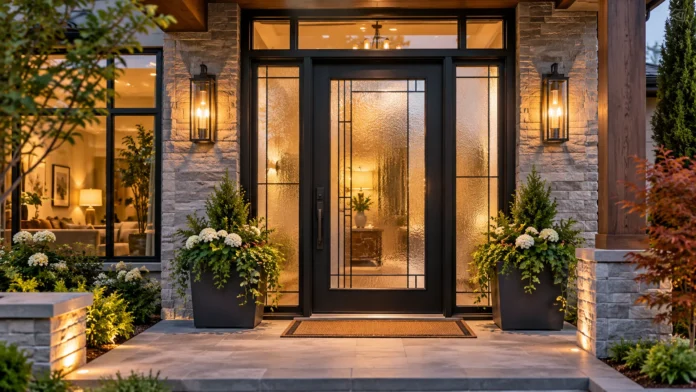
A front door is one of the first things people notice when visiting your home. It influences curb appeal, welcomes natural light, and plays an important role in security and energy efficiency. A glass front door can transform an ordinary entrance into a bright, attractive, and modern space while complementing different architectural styles.
Glass front doors are available in many designs, including full-glass panels, frosted glass, decorative inserts, and traditional doors with glass windows. Some homeowners prefer clear glass for maximum natural light, while others choose textured or privacy glass to create a more comfortable entrance. The right option depends on your home’s appearance, privacy needs, climate, and budget.
In this guide, we will explore popular glass front door styles, different glass types, privacy options, and average installation costs. You will also learn about security features, energy efficiency, maintenance, and practical tips for choosing a beautiful and durable exterior door.
What Is a Glass Front Door?
A glass front door is an exterior entry door that includes one or more glass panels within its design. These panels may cover most of the door or appear as smaller decorative windows. Glass entry doors are commonly manufactured using fiberglass, steel, wood, aluminum, or other materials suitable for exterior applications.
The glass can serve both decorative and functional purposes. It allows daylight to enter the home, creates visual interest, and can make an entryway feel more open. Depending on the design, glass panels may be clear, frosted, tinted, textured, or arranged in decorative patterns.
Choosing a suitable glass front door involves considering more than appearance. The door must provide appropriate security, weather protection, insulation, and long-term durability. Properly manufactured exterior doors combine compatible glazing, frames, seals, and hardware to create a complete entrance system.
Why Choose a Glass Front Door for Your Home?
One of the biggest advantages of a glass front door is the natural light it brings into the entrance. Many homes have small hallways or entry areas that receive limited daylight. Adding glass panels can brighten these spaces and create a more welcoming atmosphere without requiring additional windows.
Glass front doors also offer considerable design flexibility. Homeowners can choose traditional decorative glass, contemporary full-glass designs, or simple doors with narrow vertical windows. This variety makes it easier to match the entrance with the home’s architecture and surrounding exterior features.
Another benefit is the opportunity to balance appearance with privacy and energy performance. Modern glass doors can include insulated glazing, privacy finishes, and security features. Selecting the right combination helps homeowners enjoy natural light while maintaining comfort and protection throughout the year.
Different Types of Glass Front Doors
Glass front doors come in several configurations designed to suit different entrances and architectural styles. Common options include full-glass doors, half-glass doors, decorative glass entry doors, and doors with narrow glass inserts. Each design offers a different balance between natural light, privacy, and visual appearance.
Full-glass entry doors create a bright and contemporary entrance, while partial-glass designs provide more solid-panel coverage. Decorative glass doors incorporate patterns, textures, or divided sections that complement traditional architecture. Some exterior doors also include sidelights or transoms to increase daylight without changing the primary door design.
The best configuration depends on the size of the entryway and the homeowner’s priorities. A modern property may benefit from a simple glass-and-metal combination, while a traditional house may suit decorative wood or fiberglass designs. Comparing styles before purchasing helps create a coordinated exterior appearance.
Modern Glass Front Door Designs
Modern glass front doors are known for their clean lines, simple shapes, and minimal decorative details. Many designs combine large glass panels with slim metal or fiberglass frames. These doors work particularly well with contemporary homes that feature neutral colors, geometric architecture, and large windows.
Black-framed glass doors are a popular modern design option because they create strong visual contrast. Other finishes, including bronze, gray, and natural metallic tones, can provide different contemporary appearances. Frosted or textured glass may be incorporated when homeowners want modern styling without sacrificing privacy.
A successful modern entrance should complement the home’s exterior materials and architectural proportions. Door handles, lighting fixtures, and surrounding trim also influence the overall appearance. Choosing a coordinated design can improve curb appeal and create a welcoming transition between outdoor and indoor spaces.
Traditional Glass Front Door Styles
Traditional glass front doors often feature decorative panels, divided windows, and classic frame details. These designs are commonly used in colonial, craftsman, farmhouse, and other established residential architectural styles. Wood and fiberglass doors with decorative glazing can provide a timeless appearance that complements traditional exteriors.
Some traditional doors include small glass windows near the upper section, while others feature larger decorative inserts. Stained glass, beveled glass, and patterned glazing can add visual interest without requiring a completely transparent entrance. The amount of glass varies depending on the desired balance between daylight and privacy.
When choosing a traditional design, consider the home’s existing trim, windows, and exterior finishes. A door that matches surrounding architectural details can create a more unified appearance. Selecting durable materials and suitable glazing ensures that the traditional design also meets modern performance requirements.
Full Glass Front Door vs. Half Glass Front Door
A full glass front door contains a large glass section covering most of the door’s visible surface. This design allows substantial natural light into the entryway and creates an open appearance. It is commonly associated with modern homes, although certain traditional styles also use large glass panels.
A half glass front door contains glazing in approximately the upper portion of the door, leaving a more substantial solid panel below. This arrangement provides natural light while maintaining greater visual separation from the outside. It can also offer additional flexibility for decorative styles and privacy requirements.
The choice between these designs depends on the entrance location, surrounding windows, and desired appearance. Full-glass doors may require stronger privacy measures, especially when facing a busy street. Half-glass doors can provide a useful compromise between daylight, traditional styling, and visual privacy.
Best Glass Types for Front Doors
Different types of glass offer different levels of privacy, insulation, appearance, and impact resistance. Exterior entry doors commonly use safety glazing appropriate for the door’s design and applicable building requirements. Tempered and laminated glass are important options, although their characteristics and performance differ.
Tempered glass is heat-treated to improve its resistance to certain impacts and thermal stresses. When broken, it is designed to fragment differently from ordinary annealed glass. Laminated glass contains layers bonded with an interlayer that helps hold broken pieces together, making it useful for some security and safety applications.
Insulated glass units provide another important benefit by incorporating multiple panes separated by a sealed space. These units can improve thermal performance compared with basic single glazing. Homeowners should review the complete door system’s specifications because energy efficiency and security depend on more than the glass type alone.
Frosted Glass Front Doors for Better Privacy
Frosted glass front doors are popular among homeowners who want natural light without a completely transparent entrance. The glass diffuses incoming light and makes detailed views through the panel more difficult. This creates a softer appearance while allowing daylight to brighten the interior.
Frosted finishes are available in different opacity levels and decorative styles. Some provide substantial visual privacy, while others allow shapes or shadows to remain noticeable. The actual privacy level can change depending on lighting conditions, particularly when the interior is brightly illuminated at night.
Frosted glass works well with both contemporary and traditional door designs. It can be combined with black frames, wood finishes, or decorative inserts to match the home’s exterior. Checking actual glass samples can help homeowners understand how much visibility the selected finish allows.
Decorative and Textured Glass Front Doors
Decorative glass can add personality and visual interest to a home’s entrance. Popular options include beveled patterns, textured surfaces, geometric designs, and stained glass arrangements. These styles can create attractive focal points while allowing varying amounts of natural light into the entryway.
Textured glass is especially useful for homeowners who prefer privacy without completely blocking daylight. Patterns such as rain glass, obscure glass, and other decorative surfaces reduce the clarity of views through the panel. The amount of privacy depends on the texture and surrounding lighting conditions.
Decorative glazing should also meet the safety and performance requirements of an exterior entry door. Some intricate designs incorporate multiple materials or specialized manufacturing processes that increase costs. Choosing a suitable product helps balance decorative appearance with durability, insulation, and everyday maintenance.
How to Make a Glass Front Door More Private
Privacy is one of the most important considerations when choosing a glass front door. Clear glazing may allow people outside to see directly into the entrance, particularly after dark. Homeowners can address this concern through frosted glass, decorative glazing, suitable window coverings, or professionally applied privacy films.
Door-compatible blinds and shades provide additional control over visibility and daylight. Some insulated glass units include integrated blinds between the panes, reducing the need for exposed interior coverings. However, these products may cost more and have different repair requirements than ordinary glazing.
Privacy films can be another option when compatible with the glass and door manufacturer’s recommendations. Certain films may affect thermal stress or warranty coverage, so compatibility should be confirmed before installation. Selecting an appropriate privacy solution allows homeowners to enjoy natural light while reducing unwanted visibility.
Are Glass Front Doors Safe and Secure?
Glass front doors can provide suitable security when designed and installed with appropriate materials and hardware. The overall security of an entrance depends on the glazing, frame, locking system, hinges, and installation quality. A strong glass panel alone cannot compensate for weak locks or poorly secured framing.
Laminated security glazing and other reinforced glass options may provide additional resistance to certain forms of forced entry. However, no residential glass door should be considered completely resistant to break-ins. Appropriate locking hardware and a properly reinforced door assembly are equally important for overall protection.
Homeowners should choose doors that meet applicable building and safety standards. Professional installation helps ensure that frames, fasteners, and locking components function correctly. A complete approach to entrance security provides more reliable protection than focusing on the glass specification alone.
Are Glass Front Doors Energy Efficient?
Modern glass front doors can provide good energy performance when manufactured with suitable insulated glazing and weather-resistant construction. Older single-pane doors generally offer less thermal protection than properly designed insulated systems. The complete door assembly influences how effectively the entrance limits unwanted heat transfer.
Double-pane glazing, low-emissivity coatings, insulated frames, and quality weatherstripping can improve thermal performance. Low-emissivity glass is designed to manage certain forms of radiant heat transfer. Depending on the climate and door orientation, these features may help maintain indoor comfort and reduce heating or cooling demands.
Energy performance should be evaluated using appropriate product ratings rather than appearance alone. Factors such as U-factor, solar heat gain coefficient, and air leakage can help describe door efficiency. Choosing a door suited to the local climate provides better long-term value than selecting glazing based only on style.
Best Materials for Glass Front Door Frames
The frame material influences the durability, appearance, maintenance, and thermal performance of a glass front door. Common choices include fiberglass, steel, wood, and aluminum. Each material has different advantages and limitations depending on climate, budget, and architectural preferences.
Fiberglass doors are popular because they resist many common moisture-related problems and can imitate the appearance of painted or stained wood. Steel doors can provide strength and durability when protected against corrosion. Wood offers a traditional appearance but generally requires more maintenance to manage weather exposure.
Aluminum is another option, particularly for modern glass doors with narrow frames. However, thermal performance depends heavily on frame design and whether suitable thermal breaks are included. Comparing complete door specifications helps homeowners choose a material that balances appearance, insulation, and long-term maintenance.
How Much Does a Glass Front Door Cost?
The cost of a glass front door depends on the design, frame material, glazing type, dimensions, and manufacturer. Basic partial-glass entry doors are generally less expensive than large contemporary glass systems. Premium decorative glazing, custom sizing, and advanced security features can increase the purchase price considerably.
The following table provides broad planning estimates in US dollars for common glass entry door categories. Prices vary by market and do not represent guaranteed current retail quotations.
| Glass Front Door Type | Estimated Door Cost |
|---|---|
| Basic steel door with glass insert | $250–$700 |
| Fiberglass door with decorative glass | $500–$1,500 |
| Wood front door with glass | $700–$2,500 |
| Full-glass modern entry door | $800–$3,000 |
| Double glass front doors | $1,500–$5,000+ |
| Custom premium glass entry system | $3,000–$8,000+ |
These estimates generally refer to the door or entry unit and may exclude labor, hardware upgrades, permits, or structural modifications. High-performance glazing and custom decorative features can increase expenses. Homeowners should request detailed quotations to understand what is included in the advertised product price.
Budgeting should also account for long-term ownership costs. Maintenance requirements, weather resistance, warranty coverage, and energy performance can influence overall value. A well-matched door that performs reliably may be a better investment than a cheaper product that requires frequent repairs.
Glass Front Door Installation Costs
Professional installation is an important part of ensuring a glass front door performs correctly. A straightforward replacement using an existing opening may cost approximately $300 to $900 in labor, depending on local rates and project conditions. More complicated installations can cost considerably more.
Replacing the complete frame, modifying the opening, or installing a larger glass entry system can increase labor expenses. Structural changes may require additional framing work, permits, or specialized installation methods. The weight and dimensions of the door can also affect equipment requirements and the number of workers needed.
Homeowners should request itemized estimates covering removal, installation, sealing, hardware, and cleanup. Proper fitting helps prevent air leakage, water intrusion, and locking problems. Hiring a qualified installer familiar with exterior glass doors can support long-term performance and reduce the risk of avoidable installation defects.
Common Glass Front Door Sizes
Glass front doors are available in several common residential dimensions. In the United States, single exterior doors are frequently 36 inches wide and approximately 80 inches tall. However, actual sizing depends on the building, manufacturer, and local construction requirements.
Other configurations include narrower single doors, taller entry doors, and double-door systems for wider openings. Sidelights and transoms can increase the total width or height of the entrance assembly. These features may provide additional daylight while creating a more prominent architectural appearance.
Accurate measurements are essential because the door slab and complete frame assembly have different dimensions. Existing openings may also be uneven or require modifications. A professional measurement helps identify the correct product size and reduces the likelihood of ordering a door that does not fit properly.
Glass Front Door With Sidelights and Transom Windows
Sidelights are narrow glass panels installed beside an entry door, while transoms are windows positioned above the entrance. These architectural features can increase natural light and create a more spacious visual impression. They are particularly attractive for larger entrances where homeowners want a welcoming appearance.
A glass front door with sidelights can complement both traditional and modern architectural designs. Decorative glazing may provide visual interest, while frosted panels can improve privacy. Transom windows also offer an opportunity to introduce daylight without increasing visibility at eye level.
Adding sidelights or transoms can increase installation costs because the entrance requires additional framing and glazing. Energy efficiency and security should be evaluated across the complete assembly. Choosing compatible materials and professional installation helps ensure that these decorative features perform reliably.
How to Clean and Maintain a Glass Front Door
Regular maintenance helps keep a glass front door attractive and functioning correctly. Glass panels may collect fingerprints, dust, water spots, and outdoor residue during everyday use. Cleaning requirements depend on the glazing finish and any specialized coatings applied by the manufacturer.
Homeowners should use cleaning products recommended for the specific glass and frame materials. Abrasive tools or harsh chemicals may damage decorative coatings, seals, or surrounding finishes. Frosted and textured glass may require additional attention because dirt can collect around surface patterns.
The door frame, weatherstripping, hinges, and locking hardware should also be inspected periodically. Damaged seals can allow unwanted air or moisture to enter the home. Addressing minor problems early helps preserve the appearance, comfort, and performance of the complete entry system.
Common Mistakes When Choosing a Glass Front Door
One common mistake is selecting a glass front door based entirely on appearance without considering privacy. A clear glass design may look attractive during daylight but reveal more of the interior after dark. Evaluating different lighting conditions helps homeowners choose appropriate glazing.
Another mistake involves overlooking energy efficiency and weather performance. A door with large glass panels should still provide suitable insulation and resistance to air leakage. Choosing products without reviewing performance ratings can result in unnecessary heating or cooling expenses.
Incorrect measurements and poor installation are additional problems that can affect long-term performance. Doors that do not fit properly may develop gaps, water leaks, or locking difficulties. Confirming dimensions, material compatibility, and professional installation requirements before purchasing can help prevent these issues.
How to Choose the Best Glass Front Door for Your Home
Choosing the best glass front door begins with identifying your home’s architectural style and practical requirements. Consider whether you prefer a traditional wood appearance, a modern metal frame, or a versatile fiberglass design. The selected door should complement surrounding windows, exterior finishes, and entrance proportions.
Next, evaluate privacy, security, and energy performance. Frosted or textured glass may be useful for entrances facing busy streets, while insulated glazing can support indoor comfort. Appropriate locks, durable frames, and compatible safety glass are important features for a residential exterior door.
Finally, compare complete installation costs, warranty terms, and expected maintenance requirements. An attractive design should also provide dependable everyday performance. Choosing a suitable product and arranging professional installation can help create a welcoming entrance that remains functional for years.
Conclusion
A glass front door can improve curb appeal, introduce natural daylight, and create a more welcoming home entrance. Available designs include modern full-glass panels, traditional decorative inserts, and practical half-glass configurations. Understanding the different styles helps homeowners choose an entrance that matches their architectural preferences.
Privacy, security, and energy efficiency are important considerations when selecting a glass entry door. Frosted glazing, laminated glass, insulated panels, and durable frame materials can provide useful performance benefits. Installation quality also plays a major role in protecting the home against air leakage, moisture, and operational problems.
Before purchasing, compare door dimensions, glazing options, materials, and total installation expenses. Consider long-term maintenance and local climate requirements rather than focusing only on appearance. A properly selected glass front door can provide lasting beauty, practical functionality, and dependable performance for your home.
Frequently Asked Questions
How much does a glass front door cost?
A basic glass front door may cost approximately $250 to $700, while premium designs can exceed $3,000. Professional installation, custom sizing, and additional glazing features increase the total expense.
Are glass front doors safe for homes?
Yes, properly designed glass front doors can provide suitable security when combined with appropriate safety glazing, strong frames, and quality locks. Security depends on the complete door assembly and installation.
What type of glass is best for front door privacy?
Frosted, textured, and decorative obscure glass are popular privacy options. Their effectiveness varies by design and lighting conditions, so homeowners should evaluate samples before choosing a particular finish.
Do glass front doors make homes colder?
Older or poorly insulated glass doors can allow more heat transfer. Modern insulated glazing, efficient frames, and suitable weatherstripping can improve thermal performance and help maintain indoor comfort.
Are glass front doors difficult to maintain?
Most glass front doors require routine cleaning and occasional inspection of seals, hinges, and locks. Maintenance depends on the frame material, glazing finish, weather exposure, and product specifications.