
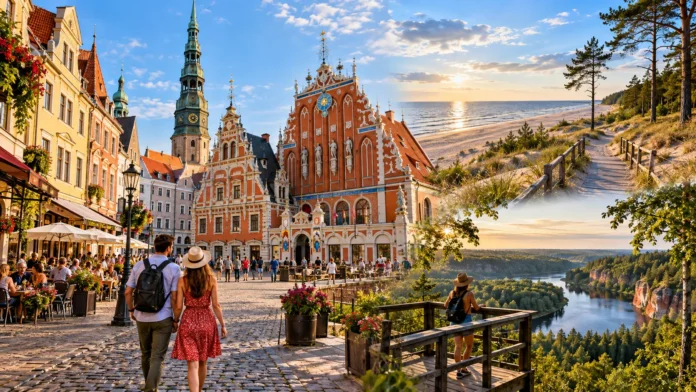
Latvia is a beautiful Baltic country filled with historic cities, peaceful forests, sandy beaches, and fascinating cultural attractions. Located in Northern Europe, it offers travelers a wonderful combination of medieval architecture, natural landscapes, and traditional experiences. Whether you enjoy exploring historic landmarks or relaxing beside the sea, Latvia has something memorable for almost every type of visitor.
The best things to do in Latvia include exploring Riga’s charming Old Town, visiting magnificent castles, discovering national parks, and enjoying the beautiful Baltic coastline. Beyond its famous attractions, the country offers traditional markets, picturesque villages, and unique cultural festivals. Many destinations are easily accessible by public transportation, making it convenient to explore several places during one vacation.
This Latvia travel guide highlights the country’s most interesting attractions and experiences. You will discover historic towns, scenic landscapes, cultural landmarks, and practical ideas for planning your itinerary. From exciting city adventures to peaceful countryside escapes, these destinations will help you experience the beauty and character of Latvia.
Explore Riga Old Town and Its Historic Landmarks
Riga Old Town is one of the most popular tourist attractions in Latvia. This UNESCO-listed historic district features beautiful medieval buildings, narrow cobblestone streets, and lively public squares. Visitors can explore architectural landmarks while discovering centuries of Latvian history. The combination of colorful buildings, historic churches, and traditional restaurants makes Riga’s Old Town an excellent starting point for exploring the country.
One of the area’s most recognizable attractions is the House of the Blackheads, an impressive building overlooking Town Hall Square. Travelers can also visit Riga Cathedral and admire the beautiful exterior of St. Peter’s Church. The surrounding streets contain charming cafés, souvenir shops, and historical monuments. Walking through these neighborhoods provides an enjoyable introduction to Latvia’s architectural heritage.
Riga Old Town becomes especially atmospheric during the evening when its historic streets are beautifully illuminated. Visitors can enjoy traditional Latvian food, explore small courtyards, or simply admire the surrounding architecture. Guided walking tours are available for travelers interested in learning more about local history. Spending at least half a day here allows enough time to appreciate its most important attractions.
Discover Riga’s Beautiful Art Nouveau Architecture
Riga is internationally recognized for its impressive collection of Art Nouveau architecture. Many buildings feature decorative sculptures, detailed facades, elegant balconies, and unusual architectural designs. These distinctive structures reflect the city’s rapid development during the late nineteenth and early twentieth centuries. Exploring Riga’s architectural neighborhoods is one of the best cultural experiences for visitors interested in European history and design.
Alberta Street is among the most famous places to admire Riga’s Art Nouveau buildings. The surrounding streets contain beautifully decorated residential properties with elaborate details and artistic features. Travelers can also explore the Riga Art Nouveau Centre to learn about the architectural movement. The museum provides insights into historical interiors and everyday life during this fascinating period.
Walking through the neighborhood offers numerous opportunities for architectural photography and sightseeing. Visitors can appreciate the contrast between Riga’s medieval Old Town and its elegant Art Nouveau districts. Many important buildings are located within a relatively compact area, making exploration convenient. Combining these neighborhoods with nearby cafés creates a relaxing and culturally rewarding afternoon.
Visit Riga Central Market for Local Food and Culture
Riga Central Market is one of the most interesting places to experience everyday Latvian life. Located near the historic center, the market occupies several large pavilions originally built using structures from former airship hangars. Visitors can discover fresh produce, traditional foods, flowers, and regional specialties. Its lively atmosphere provides an authentic alternative to conventional tourist attractions.
The market offers a variety of traditional Latvian products, including smoked fish, rye bread, dairy products, and seasonal vegetables. Travelers can browse different stalls while observing how local residents shop for everyday ingredients. Some vendors also offer prepared snacks and inexpensive meals. Trying regional specialties is an excellent way to become familiar with Latvia’s food traditions.
Visitors should allow sufficient time to explore the market’s separate sections and surrounding outdoor stalls. Morning visits are often particularly interesting because many vendors are actively selling fresh products. Respectful photography and friendly conversations can make the experience more enjoyable. The market is also a convenient stop when exploring Riga’s nearby historical landmarks.
Relax on the Beautiful Beaches of Jurmala
Jurmala is Latvia’s most famous seaside resort and a popular destination for relaxing beach vacations. Located along the Gulf of Riga, it features long stretches of sandy coastline surrounded by beautiful pine forests. The town is known for its traditional wooden houses, peaceful atmosphere, and wellness facilities. Its convenient location makes it an excellent day trip from Riga.
During summer, visitors can enjoy swimming, sunbathing, beach walks, and outdoor recreational activities. The coastline offers plenty of space for relaxation, while nearby cafés provide convenient dining options. Jomas Street is particularly popular for its restaurants, shops, and welcoming resort atmosphere. Travelers can also admire traditional wooden villas that reflect Jurmala’s historical development as a seaside destination.
Jurmala remains attractive outside the summer season because of its peaceful beaches and scenic surroundings. Autumn walks along the coastline offer beautiful views without the busiest tourist crowds. Visitors can also explore forest trails and wellness facilities throughout the year. Regular train connections from Riga make Jurmala accessible for travelers who prefer not to rent a car.
Explore Gauja National Park and Its Natural Beauty
Gauja National Park is one of Latvia’s most impressive natural attractions. Established in 1973, it is the country’s oldest and largest national park. The protected landscape includes forests, river valleys, sandstone cliffs, caves, and historical landmarks. Visitors interested in outdoor activities and scenic countryside experiences will find numerous opportunities to explore the region’s natural beauty.
The Gauja River flows through beautiful valleys surrounded by forests and distinctive sandstone formations. Several marked hiking trails provide access to scenic viewpoints and peaceful woodland environments. Visitors can also discover historical castles and traditional settlements within the park. Exploring these attractions creates an enjoyable combination of outdoor recreation, local history, and cultural experiences.
Autumn is particularly beautiful in Gauja National Park when the surrounding forests display colorful seasonal foliage. Spring and summer offer comfortable opportunities for walking, photography, and exploring nature trails. Sigulda and Cesis serve as convenient bases for discovering different parts of the park. Travelers should choose routes suitable for their experience and check local weather conditions before visiting.
Discover Sigulda and the Historic Turaida Castle
Sigulda is a scenic town surrounded by the beautiful landscapes of the Gauja River Valley. Often described as one of Latvia’s most attractive destinations, it offers historic landmarks, forest trails, and impressive viewpoints. The town is especially popular with nature lovers and visitors interested in medieval history. Its location makes it suitable for a day trip or a longer countryside stay.
Turaida Castle is one of the most famous historical attractions near Sigulda. This medieval red-brick castle stands within the Turaida Museum Reserve, overlooking the surrounding forested valley. Visitors can explore exhibitions about regional history and admire beautiful views from the castle tower. The nearby grounds also contain cultural monuments and historical buildings connected with Latvian traditions.
Sigulda offers several additional attractions, including scenic walking routes and viewpoints across the Gauja Valley. Travelers can visit local parks, explore historical sites, or discover nearby nature trails. The surrounding landscape becomes especially picturesque during autumn when colorful forests cover the hillsides. Visiting Sigulda and Turaida together creates a memorable introduction to Latvia’s countryside.
Visit Cesis Castle and Its Charming Old Town
Cesis is one of Latvia’s most attractive historical towns, known for its medieval atmosphere and charming architecture. Located within the Gauja National Park region, it features cobblestone streets, historic buildings, and peaceful public spaces. The town offers an appealing combination of cultural attractions and natural surroundings. Visitors interested in history will especially enjoy exploring its famous castle complex.
Cesis Medieval Castle is the town’s most important landmark and one of Latvia’s best-known historical sites. Visitors can explore sections of the castle while learning about its connection to the medieval Livonian Order. The neighboring Cesis New Castle contains exhibitions highlighting local history. Together, these attractions provide an interesting perspective on the country’s cultural and architectural development.
The surrounding Old Town features charming cafés, traditional buildings, and small public squares. Travelers can walk through historic streets while admiring the peaceful atmosphere of this beautiful destination. Nearby parks provide pleasant spaces for relaxation and photography. Cesis is also a convenient starting point for exploring forest trails and other attractions within Gauja National Park.
Admire the Magnificent Rundale Palace and Gardens
Rundale Palace is one of Latvia’s most spectacular architectural landmarks. Located in southern Latvia, the palace is famous for its impressive Baroque and Rococo design. It was designed by the renowned architect Francesco Bartolomeo Rastrelli during the eighteenth century. The magnificent interiors and formal gardens make this attraction especially appealing to travelers interested in European royal history.
Visitors can explore beautifully decorated rooms featuring ornate ceilings, elegant furnishings, and historical artwork. The palace museum presents exhibitions that illustrate the lifestyles and artistic traditions of its former residents. Each room contains architectural details that reflect the building’s historical importance. Guided visits can provide additional insights into the palace’s development and restoration.
The surrounding French-style gardens are another major highlight of Rundale Palace. Carefully arranged pathways, decorative flowerbeds, and seasonal roses create a beautiful setting for leisurely walks. Summer is particularly attractive when many garden flowers are blooming. Travelers visiting from Riga should allow enough time for transportation, palace exploration, and enjoying the outdoor surroundings.
Discover Kuldiga and the Famous Venta Waterfall
Kuldiga is one of Latvia’s most charming towns, celebrated for its beautiful architecture and peaceful riverside setting. The historic center features traditional wooden buildings, narrow streets, and attractive public squares. Its well-preserved urban landscape has received UNESCO World Heritage recognition. Walking through Kuldiga feels like discovering a quieter and more traditional side of Latvia.
One of Kuldiga’s most famous attractions is Ventas Rumba, a remarkably wide natural waterfall along the Venta River. Although relatively low in height, the waterfall stretches across an impressive section of the river. Visitors can admire the scenery from nearby viewpoints and the historic brick bridge. The surrounding area provides excellent opportunities for photography and peaceful riverside walks.
Kuldiga also offers charming cafés, local restaurants, and historical streets worth exploring. Visitors can discover smaller waterways flowing between old buildings and traditional neighborhoods. The town’s relaxing atmosphere makes it especially suitable for travelers who enjoy slow sightseeing. Spending a full day here allows time to appreciate both its natural attractions and historical character.
Walk Through Kemeri National Park’s Peaceful Wetlands
Kemeri National Park is one of Latvia’s most distinctive natural destinations. Located west of Riga, the park protects wetlands, forests, lakes, and important wildlife habitats. Its varied landscape offers a different experience from the country’s historic towns and coastal resorts. Visitors who enjoy peaceful outdoor environments will appreciate the opportunity to discover Latvia’s unique wetland ecosystems.
The Great Kemeri Bog Boardwalk is among the park’s most popular attractions. This wooden walking route allows visitors to explore an unusual landscape filled with moss, small pools, and open marshland. Designated viewpoints offer beautiful perspectives across the surrounding wetlands. The boardwalk provides an accessible way to appreciate the environment without disturbing its sensitive natural habitats.
Early morning visits can be particularly beautiful when soft sunlight illuminates the landscape. Autumn also creates attractive scenery as seasonal colors transform the surrounding vegetation. Visitors should remain on marked paths and follow the park’s conservation guidelines. Combining Kemeri National Park with a visit to nearby Jurmala creates an enjoyable nature-focused day trip.
Enjoy Liepaja’s Beaches, Music, and Coastal Attractions
Liepaja is a lively coastal city located along Latvia’s western Baltic shoreline. Known for its strong musical heritage and refreshing seaside atmosphere, the city combines cultural attractions with beautiful natural surroundings. Visitors can explore historical neighborhoods, parks, museums, and sandy beaches. Liepaja is a wonderful destination for travelers seeking experiences beyond Riga and the country’s traditional tourist routes.
Liepaja Beach is one of the city’s most attractive destinations during warmer months. Its spacious sandy coastline provides opportunities for relaxation, walking, and enjoying beautiful sea views. Nearby seaside parks contain pleasant pathways and green spaces suitable for leisurely exploration. The city also features restaurants and cafés where visitors can enjoy local food after spending time outdoors.
The historic Karosta district provides an interesting look at Liepaja’s military and maritime past. Visitors can explore selected historical sites and learn about the area’s changing role over time. Liepaja’s concert venues and musical traditions also contribute to its distinctive cultural identity. Spending two days here allows time to discover the city’s beaches, architecture, and historical attractions.
Experience Latvian Traditions, Cuisine, and Local Festivals
Experiencing local culture is one of the most rewarding things to do in Latvia. The country maintains strong traditions through folk music, seasonal celebrations, handicrafts, and regional cuisine. Visitors can learn about Latvian identity by exploring museums, local markets, and cultural events. These experiences provide valuable insights into everyday life beyond the country’s most famous tourist attractions.
Traditional Latvian food often includes potatoes, rye bread, vegetables, dairy products, and locally sourced ingredients. Popular dishes include grey peas with bacon, hearty soups, and different varieties of traditional bread. Visitors can sample regional specialties at local restaurants and food markets. Exploring Latvia’s cuisine is a memorable way to connect with its cultural heritage.
Latvia also celebrates important seasonal traditions, including the summer solstice festival known as Jani. This celebration features folk songs, flower wreaths, traditional foods, and community gatherings. Cultural festivals and craft markets take place throughout the year in different regions. Checking local event calendars before traveling can help visitors include authentic Latvian experiences in their itineraries.
Conclusion
Latvia is a remarkable destination offering a beautiful combination of historic architecture, natural scenery, and cultural traditions. From Riga’s medieval streets to the peaceful landscapes of Gauja National Park, the country provides diverse experiences for international visitors. Its castles, coastal towns, and traditional markets create numerous opportunities for memorable sightseeing and cultural exploration.
The best things to do in Latvia depend on your travel interests and preferred experiences. History enthusiasts can explore Rundale Palace, Cesis Castle, and Riga Old Town. Nature lovers can discover national parks, beautiful beaches, and scenic river valleys. Travelers seeking cultural experiences will also appreciate Latvia’s traditional cuisine, historical towns, and seasonal celebrations.
Planning your itinerary carefully will help you enjoy more of Latvia’s attractions without feeling rushed. Consider combining Riga with nearby destinations such as Jurmala, Sigulda, and Kemeri National Park before exploring more distant towns. Allow time for local food, peaceful walks, and unexpected discoveries. With its welcoming atmosphere and diverse landscapes, Latvia offers an unforgettable Baltic travel experience.
Frequently Asked Questions
What are the best things to do in Latvia?
The best things to do in Latvia include exploring Riga Old Town, visiting Rundale Palace, discovering Gauja National Park, relaxing in Jurmala, and exploring historic destinations such as Cesis and Kuldiga.
Is Latvia worth visiting for tourists?
Yes, Latvia is worth visiting for its medieval architecture, beautiful beaches, national parks, and traditional culture. It offers diverse attractions and memorable experiences for travelers interested in European history and natural scenery.
How many days do you need to explore Latvia?
A five- to seven-day trip allows visitors to explore Riga, Jurmala, Sigulda, and several nearby attractions. Travelers planning to visit coastal cities and more distant regions may prefer ten days.
What is the best time to visit Latvia?
May through September is generally ideal for sightseeing, outdoor activities, and exploring coastal destinations. Summer offers longer daylight hours, while autumn provides beautiful forest scenery and fewer tourists in many locations.
Is Latvia an expensive country to visit?
Latvia can be relatively affordable compared with many Western European destinations. Budget accommodation, public transportation, and local restaurants help control expenses, although prices vary by location, season, and travel preferences.