
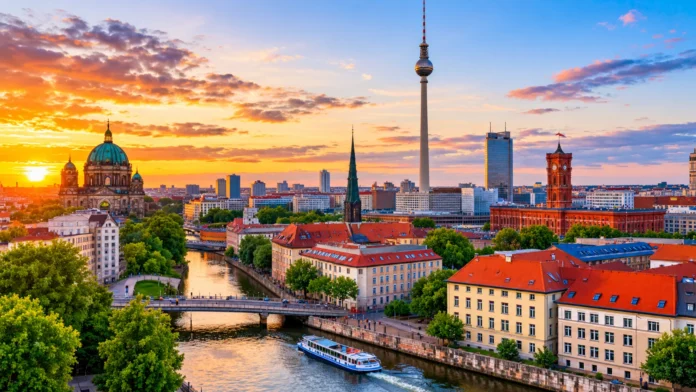
Berlin is one of Europe’s most exciting cities, known for its cultural diversity, rich history, creative atmosphere, and vibrant neighborhoods. Germany’s capital offers a wide variety of residential areas, from lively districts filled with restaurants and galleries to peaceful communities surrounded by parks and historic architecture. Choosing the right neighborhood can significantly influence your everyday living experience.
The best neighborhoods to live in Berlin include Prenzlauer Berg, Mitte, Charlottenburg, Kreuzberg, Friedrichshain, and several other attractive areas. Each neighborhood offers a different combination of housing options, public transportation, local amenities, and community atmosphere. Some locations appeal to students and young professionals, while others suit families or residents seeking quieter surroundings.
Whether you are relocating for work, planning to study, or considering a long-term move to Germany, understanding Berlin’s residential areas is essential. This guide explores the city’s most popular neighborhoods, their distinctive characteristics, and practical factors such as rental costs, lifestyle, accessibility, and local facilities.
1. Prenzlauer Berg – Best for Families and Comfortable Living
Prenzlauer Berg is one of Berlin’s most desirable residential neighborhoods, famous for its attractive historic buildings, tree-lined streets, and welcoming community atmosphere. Located northeast of the city center, it offers a comfortable combination of urban convenience and peaceful residential surroundings. Its beautiful architecture and neighborhood cafés make it especially appealing to people seeking an established residential environment.
Families often appreciate Prenzlauer Berg because of its playgrounds, parks, schools, and family-oriented facilities. Popular areas around Kollwitzplatz and Helmholtzplatz offer local markets, independent shops, and pleasant public spaces. Residents can enjoy everyday conveniences without traveling far, making the neighborhood practical for people balancing professional responsibilities and family activities.
However, Prenzlauer Berg is also one of Berlin’s more expensive rental markets, particularly around its most popular streets. Finding suitable accommodation can be competitive, and historic apartments may vary in condition and facilities. Despite these challenges, its excellent transportation connections and attractive lifestyle continue to make it a popular residential choice.
2. Mitte – Best for Central Location and Urban Convenience
Mitte is Berlin’s central district and an excellent option for residents who want convenient access to major attractions, employment opportunities, and public transportation. The area contains historic landmarks, modern office buildings, museums, shopping streets, and a wide range of restaurants. Its central location makes it particularly attractive to professionals who prefer an active urban lifestyle.
Residents of Mitte can explore destinations such as Museum Island, Hackescher Markt, and the neighborhoods surrounding Rosenthaler Platz. The area offers extensive public transportation connections, including U-Bahn, S-Bahn, trams, and buses. This accessibility makes commuting across the city relatively convenient for people working in different parts of Berlin.
Living in Mitte can be expensive, especially in highly sought-after residential streets and modern apartment developments. Some locations also experience significant tourist activity, which may affect noise levels and everyday comfort. Residents who prioritize convenience and cultural attractions may find these trade-offs acceptable when choosing a central Berlin home.
3. Kreuzberg – Best for Creativity and Cultural Diversity
Kreuzberg is one of Berlin’s most recognizable neighborhoods, known for its multicultural communities, creative atmosphere, and independent businesses. The district has a strong cultural identity shaped by different generations of residents, artists, and entrepreneurs. Its lively streets and diverse food scene make it attractive to people who enjoy an energetic urban environment.
Popular locations include Bergmannkiez, Graefekiez, and the streets surrounding Oranienstraße. Residents can discover international restaurants, local markets, art spaces, and community events throughout the neighborhood. Kreuzberg also provides access to green spaces and canal-side walking routes that offer opportunities for relaxation.
Housing conditions and neighborhood atmosphere vary considerably across Kreuzberg. Some streets are relatively peaceful, while others experience substantial activity late into the evening. Rental demand can also be high, so residents should carefully evaluate individual streets, transportation connections, and accommodation costs before deciding where to live.
4. Charlottenburg – Best for Elegant and Established Living
Charlottenburg is a historic western Berlin neighborhood known for its elegant architecture, attractive shopping streets, and established residential atmosphere. It combines traditional European city living with convenient access to cultural attractions and modern amenities. Residents who appreciate classic buildings and well-developed infrastructure often find Charlottenburg particularly appealing.
The neighborhood includes popular destinations such as Charlottenburg Palace, Savignyplatz, and shopping areas around Kurfürstendamm. Its restaurants, cafés, museums, and green spaces provide numerous opportunities for recreation. Public transportation connections also make it possible to reach central Berlin and other districts without relying entirely on a private vehicle.
Charlottenburg offers different residential environments, ranging from busy commercial streets to quieter areas with larger apartment buildings. Rental prices vary according to location, property condition, and available facilities. For residents seeking a balance between urban sophistication and everyday comfort, Charlottenburg remains one of Berlin’s attractive neighborhoods.
5. Friedrichshain – Best for Young Professionals and Social Life
Friedrichshain is a lively neighborhood in eastern Berlin, known for its creative communities, restaurants, independent businesses, and energetic social atmosphere. Its combination of historic apartment buildings and redeveloped urban spaces appeals to students, professionals, and residents interested in contemporary city culture. The neighborhood has undergone significant transformation over recent decades.
Boxhagener Platz is one of Friedrichshain’s most popular residential areas, featuring cafés, local markets, and community spaces. The surrounding streets offer a mixture of everyday amenities and cultural attractions. Residents also benefit from public transportation connections around Warschauer Straße, Ostkreuz, and other important stations.
The neighborhood’s lively character may not suit everyone, particularly those who prefer quiet evenings or minimal street activity. Rental competition can be significant around desirable residential areas. However, Friedrichshain offers a distinctive lifestyle for residents who value walkability, social opportunities, and access to Berlin’s creative scene.
6. Schöneberg – Best for Balanced City Living
Schöneberg is a diverse western Berlin neighborhood that offers a combination of residential comfort, cultural attractions, and convenient transportation. Its streets include historic architecture, traditional shops, local restaurants, and welcoming public spaces. The district appeals to residents who want an established neighborhood without sacrificing access to Berlin’s urban amenities.
Popular areas such as Akazienkiez and Bayerisches Viertel provide different residential experiences. Akazienkiez offers lively cafés and independent shops, while parts of Bayerisches Viertel feature quieter streets and attractive historic buildings. Residents can also explore local markets, parks, and cultural destinations throughout the neighborhood.
Schöneberg’s accessibility makes it practical for people working or studying across different parts of Berlin. Rental costs depend on the specific location and property type, with some streets commanding premium prices. Its combination of community atmosphere, transportation, and varied housing options makes it appealing to different household types.
7. Neukölln – Best for Multicultural Living and Creative Communities
Neukölln is a large and diverse Berlin district known for its multicultural communities, international food scene, and evolving creative atmosphere. Northern Neukölln has become particularly popular with students, artists, and young professionals. Its residential streets, local businesses, and cultural venues contribute to a distinctive urban environment.
Areas around Weserstraße, Reuterkiez, and parts of Rixdorf offer different experiences within the district. Residents can enjoy independent cafés, traditional bakeries, international restaurants, and community spaces. The nearby Tempelhofer Feld also provides extensive open space for walking, cycling, and recreational activities.
Neukölln’s popularity has contributed to increased housing demand and rising asking rents in some locations. The district also varies significantly between its northern and southern sections, making general comparisons difficult. Residents should examine individual neighborhoods carefully rather than assuming every part of Neukölln offers the same lifestyle or housing conditions.
8. Wilmersdorf – Best for Peaceful Residential Living
Wilmersdorf is an established neighborhood in western Berlin, known for its quiet residential streets, traditional buildings, and convenient urban facilities. It offers an appealing environment for people who prefer a more relaxed daily routine while remaining connected to the city center. Its comfortable atmosphere attracts a wide variety of residents.
The neighborhood features local shops, cafés, parks, and well-developed public transportation connections. Areas around Ludwigkirchplatz and other residential squares offer attractive streetscapes and community amenities. Residents can also access nearby Charlottenburg shopping districts and cultural attractions without undertaking lengthy journeys.
Wilmersdorf provides housing options ranging from older apartment buildings to modern residential properties. Rental prices vary considerably, with premium locations often attracting strong demand. People seeking a balance between peaceful surroundings and convenient city access may find Wilmersdorf an appealing long-term residential choice.
9. Moabit – Best for Central Accessibility and Local Character
Moabit is a centrally located Berlin neighborhood surrounded partly by waterways and connected to several major transportation routes. It offers a mixture of traditional residential buildings, local markets, independent businesses, and community spaces. Its location near central Berlin makes it appealing to residents who value convenient commuting.
The neighborhood contains different residential areas, including streets near Turmstraße and quieter sections around smaller squares. Residents can enjoy local restaurants, waterfront walks, and access to public transportation. Moabit’s established community atmosphere provides an alternative to some of Berlin’s more heavily promoted residential districts.
Housing affordability varies across Moabit, and desirable apartments can still attract significant competition. Some streets are busier than others because of traffic and commercial activity. Evaluating individual locations, nearby transit stops, and building conditions helps residents determine whether Moabit suits their preferred lifestyle.
10. Wedding – Best for Community Atmosphere and Urban Diversity
Wedding is a diverse northern Berlin neighborhood known for its local communities, traditional shops, and changing cultural scene. It offers a different atmosphere from highly polished central residential areas, with a mixture of long-established residents and newer arrivals. Its distinctive neighborhood character attracts people interested in everyday urban life.
Residents can explore local markets, independent restaurants, parks, and cultural spaces throughout Wedding. Areas near Leopoldplatz, Sprengelkiez, and parts of the Afrikanisches Viertel provide varied residential environments. Public transportation connections make it possible to commute toward central Berlin and other nearby districts relatively conveniently.
Wedding has sometimes been considered an alternative to more expensive central locations, although rental costs have also increased. Housing conditions differ significantly between buildings and streets, so careful research remains essential. Its combination of community diversity and urban accessibility makes Wedding worth considering when comparing Berlin neighborhoods.
11. Tempelhof – Best for Open Spaces and Relaxed Living
Tempelhof is a residential area in southern Berlin known for its established neighborhoods and access to extensive recreational spaces. It offers a relatively relaxed atmosphere compared with some of the city’s more active central districts. Residents who enjoy outdoor activities and everyday convenience may appreciate its distinctive combination of housing and green space.
One of the area’s most recognizable attractions is Tempelhofer Feld, a former airport transformed into a large public recreational space. Residents can enjoy walking, cycling, and other permitted activities across its expansive open areas. Local shopping streets, schools, and transportation connections also support comfortable everyday living.
Tempelhof contains different housing types, including apartment buildings and quieter residential streets. Rental prices and availability vary by location and property features. Its accessibility and recreational opportunities make it appealing to individuals and households seeking a balance between urban living and access to open spaces.
12. Steglitz – Best for Families and Suburban Comfort
Steglitz is a well-established residential area in southwestern Berlin, known for its shopping facilities, educational institutions, and comfortable neighborhood atmosphere. It provides a mixture of urban convenience and quieter residential surroundings. Families and residents who prefer a less intensive city environment often consider Steglitz when searching for housing.
The area includes popular shopping destinations around Schlossstraße, alongside residential streets and green spaces. Public transportation provides connections to central Berlin, although travel times depend on the specific location. Residents can access schools, supermarkets, healthcare services, and everyday amenities within different parts of the district.
Steglitz offers a range of apartment types and residential environments. Some locations feature traditional buildings, while others contain more modern housing developments. Choosing a home near suitable transportation and daily facilities can improve convenience, particularly for households balancing work, education, and family responsibilities.
13. Pankow – Best for Green Spaces and Residential Neighborhoods
Pankow is a popular area in northeastern Berlin, offering attractive residential streets, parks, and a community-oriented atmosphere. While the larger administrative district includes several different neighborhoods, the locality of Pankow itself has a relatively relaxed character. Its combination of greenery and transportation connections appeals to many residents.
The area features historic buildings, neighborhood shops, schools, and local recreation opportunities. Bürgerpark Pankow is a popular green space where residents can enjoy walks and outdoor relaxation. Other parks and residential streets contribute to the neighborhood’s quieter atmosphere compared with some busier central locations.
Housing demand varies across Pankow, with properties near convenient transportation often attracting strong interest. Families may appreciate the availability of neighborhood amenities and outdoor spaces. However, commuting requirements should be considered carefully because travel times differ depending on workplace or university locations.
14. Köpenick – Best for Nature Lovers and Waterfront Living
Köpenick is one of Berlin’s most scenic residential areas, known for its lakes, rivers, forests, and historic old town. Located in southeastern Berlin, it offers a distinctive environment for residents who enjoy natural landscapes and outdoor recreation. Its waterfront setting creates a different residential atmosphere from central Berlin’s densely developed neighborhoods.
Residents can explore the historic center, enjoy walks along the Dahme and Spree waterways, and visit nearby recreational areas. The surrounding district contains extensive green spaces and access to destinations such as Müggelsee. These natural attractions provide opportunities for relaxation and everyday outdoor activities.
Köpenick’s main consideration is its distance from some central employment and entertainment districts. Commuting times may be longer depending on the exact residential location and available transportation connections. For residents who prioritize nature, spacious surroundings, and a slower residential pace, Köpenick can be an attractive choice.
15. Lichtenberg – Best for Practical Housing and Connectivity
Lichtenberg is an eastern Berlin district offering a variety of residential areas, modern developments, and established apartment neighborhoods. It attracts residents looking for practical transportation connections and alternatives to the city’s most expensive central locations. However, housing conditions and neighborhood character differ substantially across its many localities.
Areas near Friedrichsfelde, Rummelsburg, and central Lichtenberg provide different combinations of public transportation, shopping facilities, and residential amenities. Rummelsburg is particularly known for its waterfront surroundings, while other areas feature larger apartment developments. Residents can compare these locations according to commuting requirements and preferred living environments.
Lichtenberg may offer suitable housing opportunities, but affordable apartments are not guaranteed. The quality of individual buildings, access to services, and proximity to transit stations all influence living conditions. Researching specific streets and residential developments provides a more reliable understanding than judging the district as a single uniform area.
16. Spandau – Best for Historic Charm and Quieter Surroundings
Spandau is located in western Berlin and has a distinctive identity shaped by its historic center, waterways, and residential communities. Its attractive old town, local shopping areas, and surrounding green spaces provide a quieter alternative to many central neighborhoods. Residents who appreciate traditional architecture and suburban surroundings may find Spandau appealing.
The historic center contains pedestrian-friendly streets, shops, restaurants, and cultural attractions. Nearby parks and waterfront areas create opportunities for outdoor recreation, while public transportation connects Spandau with other parts of Berlin. Different residential sections offer varying levels of convenience, especially regarding access to railway stations.
Spandau’s distance from central Berlin can influence commuting times, making transportation an important consideration before relocating. However, some residents appreciate the additional space and less intensive urban environment. Comparing accommodation costs, local services, and travel requirements can help determine whether Spandau meets individual needs.
How Much Does It Cost to Live in Berlin?
Living costs in Berlin depend on housing, transportation, utilities, food, and personal lifestyle choices. Rent is often the largest monthly expense, particularly for people seeking accommodation in central or highly desirable neighborhoods. Apartment size, building condition, furnishing, and rental contract terms can significantly influence the total cost.
Neighborhoods such as Mitte, Prenzlauer Berg, and popular parts of Kreuzberg often attract strong rental demand. More peripheral areas may provide additional options, but lower prices are not guaranteed. Advertised rents can differ substantially from the rents paid under older contracts, making direct comparisons between properties especially important.
When budgeting, consider additional expenses such as heating, electricity, internet, and rental deposits. Germany distinguishes between basic rent and rent including certain operating costs, so understanding the advertised amount is essential. Examining current listings and relevant rental regulations helps prospective residents create a realistic housing budget.
Best Berlin Neighborhoods for Students and Young Professionals
Students and young professionals often prioritize public transportation, housing affordability, social opportunities, and convenient access to workplaces or universities. Friedrichshain, Neukölln, Wedding, and Moabit are commonly considered because they offer distinctive neighborhood environments. However, rental competition can be strong even in areas traditionally described as more affordable.
Mitte and Prenzlauer Berg also attract professionals who value central locations and access to restaurants, cultural attractions, and employment opportunities. These neighborhoods may require higher housing budgets, particularly for independent apartments. Shared accommodation can provide an alternative, although availability and rental conditions vary.
The best choice depends on daily commuting needs, budget, and personal preferences. Living near a convenient railway or subway connection may be more important than selecting a particular neighborhood name. Students should also consider university locations and whether suitable accommodation is available within a manageable travel distance.
Best Berlin Neighborhoods for Families
Families relocating to Berlin often consider access to schools, parks, childcare facilities, healthcare services, and comfortable residential environments. Prenzlauer Berg, Pankow, Steglitz, and parts of Charlottenburg are popular options because of their established amenities. However, suitability depends on individual household needs and the specific property location.
Green spaces and recreational facilities can contribute to a pleasant family lifestyle. Areas near playgrounds, libraries, community centers, and public transportation may provide practical everyday benefits. Families with younger children may also want to investigate childcare availability because demand can differ between districts.
School arrangements and commuting requirements deserve careful consideration before signing a lease. A neighborhood that appears attractive during a weekend visit may function differently during busy weekdays. Evaluating educational facilities, transportation, housing space, and local services together can help families choose a more suitable long-term home.
How to Choose the Right Neighborhood in Berlin
Choosing the right Berlin neighborhood begins with identifying your priorities. Some residents prefer cultural attractions and active social environments, while others value peaceful streets, green spaces, or shorter commuting times. Understanding your daily routine helps narrow the available options and avoid selecting a location based entirely on popularity.
Transportation should be a major consideration because Berlin covers a large geographic area. Living near a reliable U-Bahn, S-Bahn, tram, or bus connection can improve access to employment, education, and leisure activities. Checking real commuting routes during typical travel hours provides a more realistic understanding of convenience.
Housing quality and contract conditions are equally important. Before making a commitment, investigate the building’s condition, rental terms, additional charges, and nearby amenities. Visiting the surrounding streets at different times can also reveal noise levels, commercial activity, and general neighborhood character.
Essential Tips for Renting an Apartment in Berlin
Finding accommodation in Berlin can be challenging because demand is high in many desirable residential areas. Prospective tenants should prepare essential application documents and establish a realistic housing budget before beginning their search. Acting promptly on suitable opportunities can be useful, but decisions should never be rushed without reviewing important details.
Rental advertisements may distinguish between unfurnished apartments, furnished properties, and temporary accommodation. Understanding the difference between basic rent, additional operating costs, and heating expenses helps prevent budgeting mistakes. Deposits, contract duration, and registration arrangements should also be clarified before signing an agreement.
Avoid transferring money to unverified individuals or paying deposits without appropriate documentation and confirmation of the property arrangement. Rental scams can target newcomers unfamiliar with local housing procedures. Reviewing contracts carefully and seeking qualified assistance when necessary can help protect tenants during the relocation process.
Conclusion
Berlin offers an impressive variety of residential neighborhoods, each with its own character, amenities, and lifestyle advantages. From the historic streets of Charlottenburg to the creative atmosphere of Kreuzberg and the family-friendly surroundings of Prenzlauer Berg, the city provides options for different preferences. Understanding these differences is essential when deciding where to live.
The best neighborhoods to live in Berlin depend on personal priorities, housing budgets, and commuting requirements. Central areas offer convenient access to major attractions and employment opportunities, while outer neighborhoods may provide quieter environments and additional green spaces. Comparing specific streets and properties is often more useful than relying on neighborhood reputation alone.
Moving to Berlin can be a rewarding experience when supported by realistic planning and careful research. Taking time to evaluate transportation, rental conditions, local facilities, and everyday lifestyle needs can help you make a confident decision. With its diverse communities and distinctive residential areas, Berlin offers many opportunities to find a neighborhood that feels like home.
Frequently Asked Questions (FAQs)
1. What are the best neighborhoods to live in Berlin?
Prenzlauer Berg, Mitte, Charlottenburg, Kreuzberg, Friedrichshain, and Schöneberg are among Berlin’s most popular neighborhoods. The best choice depends on your lifestyle, housing budget, commuting requirements, and preferred residential atmosphere.
2. Which neighborhood in Berlin is best for families?
Prenzlauer Berg, Pankow, Steglitz, and parts of Charlottenburg are popular with families because of their parks, schools, and residential amenities. Individual streets and access to childcare should also be considered.
3. What is the most affordable neighborhood in Berlin?
No single neighborhood is consistently the cheapest. Parts of Lichtenberg, Spandau, Wedding, and other outer districts may offer comparatively affordable listings, but actual costs depend on availability, property condition, and rental terms.
4. Is Berlin a good city for young professionals?
Berlin offers diverse employment opportunities, cultural attractions, and extensive public transportation. Neighborhoods such as Friedrichshain, Mitte, Neukölln, and Kreuzberg attract young professionals, although housing competition can make relocation challenging.
5. Is it difficult to find an apartment in Berlin?
Finding an apartment in Berlin can be competitive, particularly in central neighborhoods and popular residential areas. Preparing application documents, maintaining a realistic budget, and considering several districts can improve your housing search.