
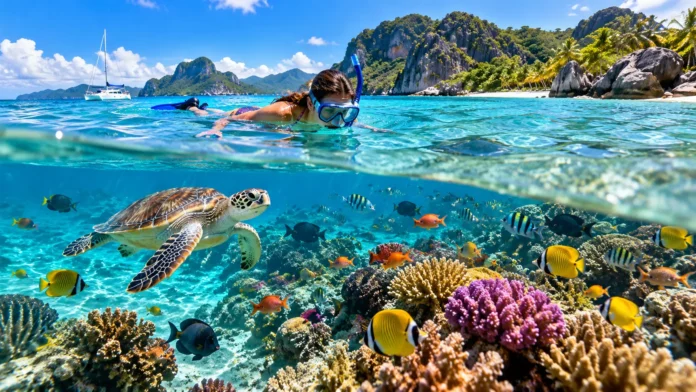
The world’s oceans are filled with extraordinary underwater landscapes, colorful coral reefs, tropical fish, and remarkable marine ecosystems. From the crystal-clear lagoons of the Maldives to the spectacular coral gardens of Australia’s Great Barrier Reef, snorkeling destinations offer unforgettable opportunities to appreciate nature. Discovering the best places for snorkeling allows travelers to experience beautiful underwater environments while exploring some of the world’s most breathtaking coastal destinations.
Unlike scuba diving, snorkeling focuses on observing marine life from the water’s surface, making it an appealing recreational activity for people with appropriate swimming abilities and safety preparation. Many popular destinations feature shallow lagoons, protected bays, and vibrant marine environments. However, water clarity, currents, weather conditions, and accessibility vary considerably between locations.
This comprehensive best snorkeling destinations travel guide explores famous clear-water locations across the Caribbean, Indian Ocean, Pacific Ocean, and Southeast Asia. You will discover beautiful islands, remarkable reefs, seasonal conditions, and essential marine conservation information. Whether you enjoy tropical beaches, underwater photography, or learning about marine biodiversity, these destinations showcase the extraordinary beauty of the ocean.
1. Maldives: Crystal-Clear Lagoons and Tropical Marine Life
The Maldives is one of the world’s most famous snorkeling destinations, known for its turquoise lagoons, white-sand beaches, and spectacular coral reefs. Located in the Indian Ocean, this tropical archipelago consists of numerous coral islands surrounded by beautiful marine environments. Its warm waters and attractive coastal scenery make it especially popular among nature-loving travelers.
Many Maldivian islands feature house reefs where marine life can be observed from designated areas close to shore. Depending on the location and conditions, visitors may encounter colorful reef fish, sea turtles, and rays. Coral formations and clear tropical water create memorable underwater scenery, although visibility changes with currents, rainfall, and seasonal plankton levels.
The Maldives generally experiences its northeast monsoon’s relatively drier conditions between November and April, making this a popular travel period. However, different atolls can experience varying marine conditions. Travelers should choose supervised snorkeling experiences, respect protected wildlife, and never assume a lagoon is safe simply because its surface appears calm.
2. Great Barrier Reef, Australia: A World-Famous Underwater Wonder
Australia’s Great Barrier Reef is one of the most extraordinary marine ecosystems on Earth, stretching along Queensland’s northeastern coastline. The reef system contains thousands of individual reefs and hundreds of islands, providing habitats for countless marine species. Its remarkable biodiversity makes it one of the most recognizable snorkeling destinations worldwide.
Visitors may observe colorful reef fish, coral formations, sea turtles, and numerous other marine organisms in suitable designated locations. Popular access points include Cairns, Port Douglas, and selected islands along the Queensland coast. Different reef areas provide different experiences, and environmental conditions vary between sheltered locations and offshore marine environments.
The period from approximately June through October is often attractive for visiting parts of the reef because of relatively dry seasonal conditions. However, wind, visibility, and marine stinger risks vary by location and time of year. Responsible operators follow environmental guidelines and provide safety information appropriate to the selected snorkeling site.
3. Raja Ampat, Indonesia: Exceptional Coral Reef Biodiversity
Raja Ampat is one of the most remarkable marine destinations in Indonesia, located in Southwest Papua. This breathtaking archipelago features limestone islands, turquoise lagoons, and some of the richest coral reef ecosystems in the world. Its remote location and extraordinary natural scenery make it especially appealing to travelers interested in marine conservation.
The waters surrounding Raja Ampat support an exceptional diversity of reef fish, corals, and other marine species. Authorized snorkeling excursions can provide opportunities to appreciate these ecosystems without disturbing sensitive habitats. The combination of dramatic island landscapes and underwater biodiversity creates a unique environment for nature photography and educational experiences.
Raja Ampat requires additional travel planning because transportation and visitor facilities are relatively limited. The period from approximately October through April is often associated with favorable conditions in several popular areas, although weather varies across the archipelago. Conservation permits, authorized transportation, and respect for local marine protections are important considerations.
4. Bonaire, Caribbean Netherlands: Beautiful Protected Reefs
Bonaire is internationally recognized for its beautiful coral reefs, clear Caribbean waters, and strong marine conservation traditions. Located in the southern Caribbean near Venezuela, the island offers numerous designated coastal areas associated with marine observation. Its relatively dry climate and distinctive underwater landscapes make it a memorable destination.
Bonaire National Marine Park protects important coastal marine ecosystems surrounding the island. Visitors can appreciate coral formations, colorful tropical fish, and other marine wildlife through appropriate authorized activities. Some locations provide relatively convenient shoreline access, although currents, waves, and underwater terrain differ considerably between sites.
Bonaire can be visited throughout much of the year, with weather patterns influenced by its southern Caribbean location. However, calm conditions should always be confirmed locally rather than assumed. Marine park requirements and conservation fees may apply, while responsible reef practices help protect the island’s delicate underwater habitats.
5. Belize Barrier Reef: Caribbean Coral Gardens
Belize is one of Central America’s most celebrated marine destinations, known for its remarkable barrier reef, tropical islands, and protected coastal ecosystems. The Belize Barrier Reef Reserve System is recognized as a UNESCO World Heritage Site. Its diverse underwater habitats attract travelers interested in coral formations, marine wildlife, and Caribbean scenery.
Hol Chan Marine Reserve, near Ambergris Caye, is one of the country’s well-known locations for organized marine experiences. Visitors may observe tropical fish, rays, and other marine animals while learning about protected coastal ecosystems. Caye Caulker also serves as a popular base for exploring nearby waters through licensed local operators.
The relatively drier season from late November through April is often convenient for visiting Belize, although ocean conditions vary throughout the year. Marine visibility depends on weather, sediment, and local currents. Visitors should follow reserve regulations, maintain appropriate wildlife distances, and avoid contact with coral formations.
6. Palawan, Philippines: Beautiful Lagoons and Island Scenery
Palawan is one of the Philippines’ most beautiful destinations, famous for its limestone cliffs, clear lagoons, tropical beaches, and diverse marine environments. Areas around El Nido and Coron attract travelers interested in discovering scenic islands and coastal ecosystems. Their dramatic landscapes provide unforgettable opportunities for photography and nature appreciation.
Organized island excursions may include stops near coral habitats and sheltered coastal areas where marine life can be observed. Visitors can appreciate colorful fish and fascinating underwater scenery in appropriate designated locations. However, not every lagoon is suitable for snorkeling, and access may be limited by conservation rules or weather conditions.
The relatively dry months from November through May are commonly popular for visiting Palawan, particularly for outdoor sightseeing. However, strong winds and changing sea conditions can affect boat services. Travelers should rely on authorized local operators and respect marine protected areas when exploring the region’s beautiful island environments.
7. Red Sea, Egypt: Clear Water and Colorful Coral Reefs
Egypt’s Red Sea coastline is internationally recognized for its clear water, colorful reefs, and extraordinary marine biodiversity. Popular destinations such as Sharm El Sheikh, Hurghada, and Marsa Alam provide access to different coastal environments. The region’s desert climate also creates a striking contrast between golden landscapes and turquoise marine waters.
The Red Sea supports numerous coral species, tropical fish, and other marine organisms adapted to its distinctive conditions. Designated snorkeling areas may provide opportunities to observe reefs from suitable surface locations. Marine visibility can be impressive during favorable weather, although conditions vary with wind, currents, and individual sites.
Spring and autumn are often particularly appealing because daytime temperatures may be more comfortable than during peak summer. Water temperatures and marine conditions also change seasonally. Visitors should follow local safety instructions and avoid entering exposed reef areas during strong winds or unfavorable sea conditions.
8. Hawaii, USA: Tropical Fish and Volcanic Coastlines
Hawaii offers remarkable snorkeling destinations characterized by volcanic coastlines, tropical marine ecosystems, and beautiful Pacific Ocean scenery. The islands feature a mixture of sandy beaches, sheltered coves, and rocky coastal environments. Each island provides distinctive opportunities to appreciate marine life while exploring Hawaii’s extraordinary natural landscapes.
Hanauma Bay on Oahu is one of Hawaii’s best-known marine conservation areas, featuring a sheltered volcanic bay and educational programs. Suitable locations on Maui and the Big Island also offer opportunities to observe tropical fish and sea turtles. Visitors should remember that protected wildlife must not be approached or disturbed.
Hawaii’s ocean conditions vary greatly depending on season, island, and coastline orientation. Winter brings powerful surf to some north-facing shores, while other areas may experience different conditions. Choosing supervised experiences and following lifeguard guidance are essential because even visually calm beaches can contain dangerous currents.
9. Cozumel, Mexico: Caribbean Reefs and Marine Wildlife
Cozumel is a beautiful island located off Mexico’s Yucatan Peninsula, famous for its clear Caribbean waters and impressive reef ecosystems. The island forms part of the Mesoamerican Reef region, one of the world’s most important coral systems. Its coastal scenery attracts travelers interested in beaches, marine conservation, and underwater photography.
Protected reef areas around Cozumel provide habitats for tropical fish, coral species, and other marine wildlife. Organized excursions may offer opportunities to observe these environments under appropriate conditions. Some coastal locations have strong currents, so not every reef area is suitable for inexperienced snorkelers.
The relatively drier months from November through April are popular for visiting Cozumel, although sea conditions can vary. Travelers should check the status of marine park areas and follow conservation requirements. Selecting appropriate supervised locations helps ensure that the experience respects both environmental protection and personal safety.
10. Fiji: Beautiful Coral Gardens and Tropical Islands
Fiji is one of the South Pacific’s most beautiful island destinations, offering tropical beaches, lush landscapes, and remarkable marine ecosystems. The country consists of hundreds of islands surrounded by coral reefs and picturesque lagoons. Its natural beauty makes it attractive to travelers interested in peaceful island vacations and marine biodiversity.
Different island groups offer distinctive coastal environments, including coral gardens, sheltered waters, and colorful fish habitats. The Mamanuca and Yasawa Islands are well-known for their beautiful scenery and established visitor facilities. Marine experiences can also provide opportunities to learn about the importance of coral reefs to Fiji’s island communities.
May through October is generally associated with Fiji’s relatively drier season, making it a popular period for island travel. However, wind and sea conditions vary between destinations. Visitors should follow local guidance, respect customary marine management areas, and choose activities that minimize disturbance to fragile reef ecosystems.
11. Seychelles: Granite Islands and Clear Tropical Waters
Seychelles is an extraordinary Indian Ocean destination known for its granite rock formations, white-sand beaches, lush tropical vegetation, and clear coastal waters. Its beautiful islands provide a combination of relaxing beach scenery and remarkable marine environments. Popular destinations include Mahé, Praslin, and La Digue.
Protected marine areas around the islands support colorful reef fish, coral formations, and other marine organisms. Visitors may enjoy observing marine life in suitable sheltered coastal locations and designated protected areas. However, changing winds, tides, and currents can make some beautiful-looking beaches unsuitable for water activities.
April, May, October, and November are often attractive periods because seasonal transitions may bring relatively calm conditions in selected areas. Nevertheless, marine conditions vary across the islands. Travelers should seek local safety information, respect conservation regulations, and avoid disturbing wildlife or sensitive coral habitats.
12. Galápagos Islands, Ecuador: Extraordinary Marine Wildlife
The Galápagos Islands are among the world’s most remarkable wildlife destinations, famous for their unique ecosystems and extraordinary biodiversity. Located in the Pacific Ocean west of mainland Ecuador, the archipelago supports numerous marine species. Its protected environments provide fascinating opportunities to appreciate natural history and conservation.
Marine wildlife in the Galápagos includes sea turtles, sea lions, rays, and diverse fish species. Authorized guided snorkeling experiences may provide opportunities to observe some of these animals in their natural habitats. Encounters depend on location, season, and environmental conditions, so sightings should never be guaranteed.
The Galápagos has two broad seasonal patterns, with warmer waters generally occurring from December through May and cooler conditions during much of June through November. Currents and water temperatures can present challenges, making professional guidance important. Visitors must follow national park regulations and maintain respectful distances from all wildlife.
13. Best Time of Year for Clear-Water Snorkeling
The best snorkeling season varies considerably between destinations because water clarity depends on rainfall, wind, currents, plankton, and local geography. Some tropical regions experience clearer conditions during relatively dry months. Others have seasonal patterns influenced by ocean circulation or changes in marine weather.
In the Maldives, November through April is often popular, while the Great Barrier Reef attracts visitors during Australia’s relatively dry winter and spring. Caribbean destinations have their own seasonal considerations, including tropical storm risks. Southeast Asian islands may also experience different monsoon patterns despite being located within the same country.
No destination can guarantee perfectly clear water every day. Heavy rainfall can increase sediment, while strong winds may disturb shallow coastal environments. Reviewing regional seasonal patterns and following current local guidance helps travelers develop realistic expectations about underwater visibility and suitable marine conditions.
14. How to Choose a Safe Snorkeling Destination
Choosing a snorkeling destination involves more than selecting a beach with beautiful turquoise water. Currents, wave exposure, underwater terrain, weather, and emergency assistance are important safety considerations. Even sheltered bays can develop hazardous conditions, so travelers should rely on reliable local information before entering the ocean.
Beginners are best served by established supervised locations with suitable instruction, clearly marked boundaries, and appropriate flotation equipment. Snorkeling should be undertaken with a responsible companion and, when necessary, a qualified guide. Anyone who is not a confident swimmer should avoid unsupervised open-water activity.
Weather conditions can change quickly, particularly around offshore reefs and exposed coastlines. Travelers should follow lifeguard instructions, stay within designated areas, and leave the water whenever conditions become unsafe. Choosing a location appropriate to individual abilities is more important than reaching a famous reef or obtaining underwater photographs.
15. Responsible Snorkeling and Marine Conservation
Coral reefs are fragile living ecosystems that support countless marine species while helping protect coastal environments. Unfortunately, pollution, warming oceans, physical damage, and irresponsible tourism activities threaten many reefs. Visitors can contribute to conservation by following established marine protection rules and respecting the natural environment.
Snorkelers should never touch, stand on, or remove coral because even minor physical contact can damage delicate organisms. Marine animals should also be observed from a respectful distance without feeding, chasing, or handling them. These practices help protect wildlife behavior and reduce unnecessary disturbance to natural habitats.
Choosing responsible local operators and following designated marine routes can also support conservation efforts. Visitors should avoid leaving litter, use suitable sun protection, and respect protected-area regulations. Appreciating coral reefs responsibly helps preserve beautiful underwater environments for wildlife, coastal communities, and future generations.
Conclusion
The best places for snorkeling offer extraordinary opportunities to appreciate clear water, colorful reefs, tropical fish, and remarkable marine ecosystems. From the Maldives and Great Barrier Reef to Bonaire, Belize, Raja Ampat, and the Red Sea, each destination provides distinctive underwater scenery. Their natural beauty makes them memorable additions to a coastal vacation.
Choosing the right snorkeling destination depends on seasonal weather, water conditions, accessibility, safety, and personal preferences. Some travelers prefer sheltered tropical lagoons, while others enjoy learning about protected coral reefs and marine wildlife. Careful research and realistic expectations help create a more enjoyable experience.
Whether you are planning your first supervised snorkeling excursion or exploring new tropical destinations, responsible preparation is essential. Respect marine life, follow local safety guidance, and choose conditions appropriate to your abilities. With thoughtful planning, snorkeling can provide a memorable opportunity to discover and appreciate the extraordinary beauty of the underwater world.
Frequently Asked Questions (FAQs)
Where is the best snorkeling in the world?
The Maldives, Great Barrier Reef, Raja Ampat, Bonaire, Belize Barrier Reef, and Red Sea are among the world’s best-known snorkeling destinations. The ideal choice depends on marine conditions, accessibility, and personal interests.
Which country has the clearest water for snorkeling?
The Maldives, Seychelles, and several Caribbean destinations are famous for clear tropical waters. However, visibility changes with weather, currents, rainfall, and seasonal conditions, so no country guarantees perfect clarity year-round.
What is the best time of year to go snorkeling?
The best season depends on the destination. Relatively dry and calm periods often provide better conditions, but regional monsoons, winds, and ocean currents can affect visibility and safety throughout the year.
Is snorkeling safe for beginners?
Snorkeling can be suitable for beginners when conditions are calm, supervision is available, and appropriate flotation equipment is used. Swimming ability, local instruction, and following safety rules are important considerations.
How can tourists protect coral reefs while snorkeling?
Visitors can protect reefs by avoiding contact with coral, observing marine animals from a distance, and following protected-area rules. Responsible tour operators and careful waste management also help preserve delicate underwater habitats.