
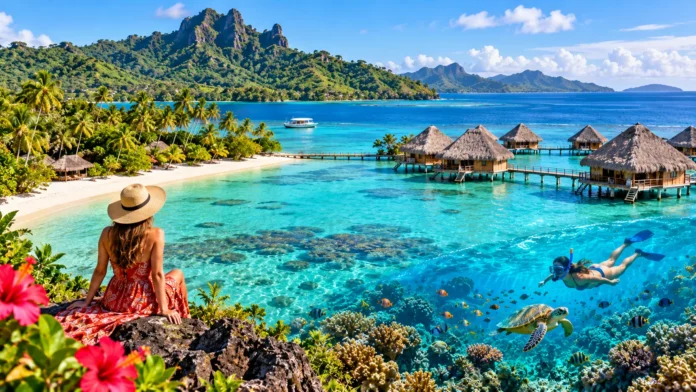
Fiji is one of the most beautiful tropical destinations in the South Pacific, offering breathtaking beaches, crystal-clear waters, lush rainforests, and unforgettable cultural experiences. From the stunning Mamanuca Islands to the peaceful landscapes of Taveuni, this island nation provides incredible opportunities for relaxation, sightseeing, and outdoor adventures. Whether you enjoy snorkeling, exploring waterfalls, discovering local traditions, or relaxing beside the ocean, Fiji offers something special for every traveler.
Exploring the best things to do in Fiji allows visitors to experience a remarkable combination of natural beauty, island culture, and memorable coastal attractions. The country features hundreds of islands, colorful coral reefs, traditional villages, and spectacular tropical scenery. This travel guide highlights Fiji’s top attractions, beautiful places to visit, exciting experiences, and practical travel tips to help you plan an unforgettable South Pacific vacation.
1. Explore the Beautiful Mamanuca Islands
The Mamanuca Islands are among Fiji’s most popular tourist destinations, known for their turquoise waters, white-sand beaches, and beautiful tropical surroundings. Located west of Viti Levu, this island group attracts visitors seeking relaxing beach holidays and memorable coastal experiences. Its picturesque landscapes and convenient access from the mainland make it especially appealing to first-time travelers.
The islands offer a wide selection of beachfront resorts, peaceful swimming locations, and opportunities to appreciate the surrounding marine environment. Visitors can enjoy snorkeling in suitable areas, take scenic boat excursions, or relax beneath swaying palm trees. Several islands also feature attractive walking paths and coastal viewpoints that provide excellent opportunities for tropical photography.
The Mamanuca Islands are accessible through boat services and organized excursions departing from the Nadi and Denarau areas. Travelers can choose day trips or longer stays depending on their vacation plans and accommodation preferences. Checking transportation schedules and sea conditions before departure helps make island visits more comfortable and enjoyable.
2. Discover the Stunning Yasawa Islands
The Yasawa Islands are among Fiji’s most beautiful island destinations, famous for their dramatic volcanic landscapes, turquoise lagoons, and peaceful beaches. Located northwest of Viti Levu, the island chain offers a quieter atmosphere than some of Fiji’s busier resort areas. Its combination of natural beauty and traditional communities creates a memorable experience for visitors.
Travelers can explore beautiful coastal areas, enjoy guided snorkeling excursions, and discover scenic viewpoints overlooking the surrounding islands. The Yasawas are also known for their rugged hills and picturesque landscapes, making them attractive for nature photography and guided walks. Visitors may experience local cultural activities through suitable community-based tourism programs.
Island-hopping is one of the most appealing ways to explore the Yasawa Islands because each destination offers different scenery and accommodation options. Passenger ferry services connect several islands with Port Denarau, although journey times vary considerably. Planning transportation and accommodation in advance is helpful, particularly during popular holiday periods when visitor demand increases.
3. Visit the Famous Sawa-i-Lau Caves
Sawa-i-Lau Caves are among Fiji’s most fascinating natural attractions, located within the beautiful Yasawa Islands. These remarkable limestone caves feature impressive rock formations and clear saltwater pools. Their unusual geological appearance and cultural significance make them a memorable destination for travelers interested in exploring Fiji’s distinctive natural landmarks.
The caves are associated with traditional Fijian stories and local cultural heritage, adding historical interest to the surrounding scenery. Guided visits allow travelers to appreciate the limestone formations and the atmosphere within accessible cave areas. Some sections involve swimming and restricted passages, so visitors should follow professional guidance and avoid areas beyond their abilities.
Reaching Sawa-i-Lau generally involves an organized boat excursion from nearby islands or suitable coastal departure points. Access depends on local conditions, available guides, and visitor arrangements. Travelers should confirm the requirements beforehand and choose experiences appropriate for their comfort and swimming abilities while respecting the site’s cultural importance.
4. Experience the Natural Beauty of Taveuni Island
Taveuni is one of Fiji’s most spectacular natural destinations, often called the Garden Island because of its lush tropical vegetation and beautiful rainforest landscapes. Located southeast of Vanua Levu, the island attracts travelers who appreciate waterfalls, scenic walking routes, and peaceful environments. Its remarkable biodiversity makes it especially appealing to nature enthusiasts.
Visitors can explore protected forest areas, admire tropical plants, and discover beautiful coastal scenery throughout the island. Taveuni also provides opportunities for birdwatching, guided nature walks, and learning about local ecosystems. The island’s green mountains and peaceful villages create a refreshing contrast to Fiji’s more developed resort destinations.
Taveuni is particularly suitable for travelers who want to spend several days exploring natural attractions at a relaxed pace. Accommodation choices include small resorts, guesthouses, and locally operated properties. Visitors should consider transportation availability and weather conditions when planning excursions because some natural attractions are located away from the island’s main settlements.
5. Explore Bouma National Heritage Park and Its Waterfalls
Bouma National Heritage Park is one of Fiji’s most impressive protected natural areas, located on Taveuni Island. The park features dense rainforest, scenic walking trails, and beautiful waterfalls surrounded by tropical vegetation. Its peaceful environment provides an excellent opportunity to experience Fiji’s natural landscapes while learning about the importance of forest conservation.
Tavoro Waterfalls, also known as Bouma Falls, are among the park’s most recognizable attractions. The waterfalls form a series of impressive cascades surrounded by green forest scenery. Visitors can reach the first waterfall through a relatively short walk, while the higher waterfalls require more demanding trails that may become slippery during wet conditions.
Guided visits can help travelers understand the area’s natural environment and choose appropriate walking routes. Comfortable footwear, drinking water, and suitable clothing are useful for exploring the park. Visitors should follow local swimming guidance and remain on designated trails to protect the surrounding environment while enjoying this beautiful rainforest destination.
6. Enjoy Snorkeling and Marine Life Around Fiji
Fiji is widely recognized for its remarkable marine biodiversity, featuring colorful coral reefs and numerous tropical fish species. The surrounding South Pacific waters support diverse underwater habitats that attract nature enthusiasts from around the world. Snorkeling provides an opportunity to appreciate these ecosystems through suitable guided experiences in protected or established visitor areas.
Popular marine destinations include sections of the Mamanuca Islands, Yasawa Islands, and the waters surrounding Taveuni. Rainbow Reef, located in the Somosomo Strait, is especially famous for its colorful soft corals and remarkable marine environment. Suitable snorkeling locations vary depending on currents, visibility, weather, and individual swimming experience.
Visitors should choose reputable guides and follow instructions designed to protect both participants and marine habitats. Coral formations are fragile, so avoiding physical contact and respecting wildlife are essential. Travelers who prefer not to enter the water can still appreciate Fiji’s coastal beauty through glass-bottom boat excursions and scenic waterfront experiences where available.
7. Visit the Sigatoka Sand Dunes National Park
Sigatoka Sand Dunes National Park is one of Fiji’s most interesting natural and historical attractions, located along the southwestern coast of Viti Levu. The park protects impressive coastal sand dunes, natural vegetation, and important archaeological heritage. Its unusual landscape provides a distinctive sightseeing experience compared with Fiji’s tropical forests and beautiful island beaches.
The dunes were shaped by natural coastal processes over long periods and form an important part of Fiji’s environmental landscape. Archaeological discoveries in the area have revealed evidence of ancient human settlements and burial practices. Visitors can learn about this history through educational information and guided experiences that explain the site’s cultural and scientific significance.
Walking routes allow travelers to appreciate the coastal scenery and observe the protected dune environment. Some sections are exposed to sunshine and coastal winds, making comfortable footwear and drinking water important. The park is a worthwhile destination for travelers interested in combining nature exploration with historical sightseeing along Fiji’s Coral Coast.
8. Discover Nadi and Its Cultural Attractions
Nadi is one of Fiji’s main tourism gateways, welcoming international travelers arriving through Nadi International Airport. Located on the western side of Viti Levu, the city offers a combination of cultural attractions, markets, restaurants, and nearby natural scenery. Its convenient location makes it an excellent starting point for exploring Fiji’s western islands.
The Sri Siva Subramaniya Temple is among Nadi’s most recognizable landmarks, featuring colorful architecture and important Hindu religious traditions. Visitors can also explore local produce markets, discover traditional food establishments, and browse small shops. These experiences provide opportunities to appreciate Fiji’s multicultural heritage and everyday community life.
Nadi also offers convenient access to surrounding resorts, coastal attractions, and organized island excursions. Travelers can use the city as a temporary base before continuing toward the Mamanuca Islands or other destinations. Respecting religious customs, following temple visitor guidelines, and supporting local businesses can make exploring Nadi more meaningful.
9. Relax at Denarau Island and Enjoy Waterfront Attractions
Denarau Island is one of Fiji’s most established resort destinations, located near Nadi on the western coast of Viti Levu. Known for its luxury accommodations, beautiful waterfront facilities, and convenient tourism services, Denarau attracts visitors seeking comfortable tropical vacations. Its developed resort environment makes it especially popular with families and travelers planning organized excursions.
Port Denarau is a major transportation and entertainment center featuring restaurants, shops, and departures for numerous island tours. Visitors can enjoy waterfront dining, browse local stores, or admire boats moving through the marina. The area’s resort facilities also provide opportunities for relaxation, recreational activities, and enjoying Fiji’s warm tropical atmosphere.
Denarau is particularly convenient for travelers who want to combine resort accommodation with day trips to nearby islands. Its location reduces the need for lengthy mainland transfers when joining many western island excursions. Although Denarau offers excellent tourist facilities, visitors seeking more secluded natural beaches may prefer exploring other parts of Fiji.
10. Explore Suva and Discover Fiji’s Capital City
Suva is Fiji’s capital and an important cultural center, offering historical attractions, busy markets, and distinctive urban experiences. Located along the southeastern coast of Viti Levu, the city combines colonial-era architecture with modern government buildings and multicultural neighborhoods. Its atmosphere provides a different perspective on Fiji beyond the country’s famous beach resorts.
The Fiji Museum is one of Suva’s most interesting attractions, featuring collections connected to the country’s history, cultural traditions, and Indigenous heritage. Visitors can also explore Thurston Gardens, admire historic buildings, and discover local markets. These destinations provide opportunities to learn about Fiji’s development and the different communities that contribute to its national identity.
Suva is also known for its restaurants, shopping areas, and lively everyday atmosphere. Travelers can sample regional cuisine, visit cultural establishments, and explore selected waterfront locations. Spending time in the capital is especially rewarding for visitors who want to understand Fiji’s history and contemporary culture alongside its natural attractions.
11. Experience Traditional Fijian Village Culture
Traditional village experiences are among the most meaningful things to do in Fiji because they introduce visitors to local customs, community relationships, and cultural traditions. Many Fijian communities maintain important practices connected to ceremonies, storytelling, music, and hospitality. Respectful cultural visits can provide valuable insight into everyday life beyond major tourist destinations.
Some community-based tourism programs include demonstrations of traditional crafts, music performances, and introductions to village customs. Visitors may also learn about the significance of the sevusevu ceremony, which is associated with customary introductions and respect. These experiences are best arranged through appropriate local hosts who can explain visitor expectations and cultural practices.
Travelers should dress respectfully, follow photography rules, and listen carefully to instructions provided by community representatives. Different villages may have specific customs, so it is important to avoid making assumptions about acceptable behavior. Supporting locally organized cultural activities helps visitors appreciate Fiji’s heritage while respecting the communities that preserve it.
12. Discover the Historic Town of Levuka
Levuka is one of Fiji’s most historically significant towns, located on Ovalau Island within the Lomaiviti island group. The town served as Fiji’s first colonial capital and preserves important examples of nineteenth-century architecture. Its historic waterfront and surrounding hills create a distinctive atmosphere that appeals to travelers interested in history and cultural heritage.
Levuka Historical Port Town is recognized as a UNESCO World Heritage Site because of its architectural and historical significance. Visitors can explore traditional buildings, walk along the waterfront, and learn about the town’s role in Fiji’s colonial history. The surrounding landscape also provides beautiful views and opportunities to appreciate the island’s natural environment.
Reaching Levuka requires additional transportation planning because Ovalau is separate from Fiji’s main tourist areas. Travelers should confirm available ferry or flight connections and arrange suitable accommodation before traveling. Spending time in Levuka offers a rewarding opportunity to discover a quieter destination with considerable historical and cultural importance.
13. Enjoy Fijian Food and Traditional Island Cuisine
Fijian cuisine reflects the country’s multicultural heritage and access to fresh seafood, tropical produce, and locally grown ingredients. Traditional food preparation methods combine Indigenous Fijian practices with influences from Indo-Fijian and other communities. Exploring local restaurants and food markets allows visitors to experience these culinary traditions while discovering flavors connected to island life.
Kokoda is one of Fiji’s most recognizable dishes, traditionally prepared using fish, citrus juice, and coconut cream. Other popular foods include lovo-cooked meals, root vegetables, seafood, and various curries associated with Indo-Fijian cuisine. Tropical fruits and locally prepared snacks provide additional opportunities to experience the country’s diverse food culture.
Visitors can discover traditional dishes through locally operated restaurants, resort dining experiences, and suitable cultural activities. Markets offer opportunities to learn about regional produce and everyday food traditions. Choosing reputable food establishments and communicating dietary requirements clearly can help travelers enjoy Fiji’s culinary experiences comfortably while supporting local businesses.
14. Understand the Best Time to Visit Fiji
Fiji enjoys a warm tropical climate throughout the year, making it attractive for coastal holidays, nature exploration, and cultural sightseeing. However, seasonal rainfall and weather conditions can affect travel experiences across different islands. Understanding Fiji’s wet and dry seasons helps travelers choose suitable months for beach activities, outdoor excursions, and island transportation.
The drier season generally runs from May through October, offering relatively comfortable weather and lower humidity in many areas. These months are particularly popular for outdoor sightseeing and coastal vacations. June through September often attracts significant visitor demand, so travelers may encounter higher accommodation prices and busier resorts during popular holiday periods.
The wetter season generally extends from November through April and brings warmer, more humid conditions and increased rainfall. This period also overlaps with the South Pacific tropical cyclone season, which can affect transportation and outdoor activities. Travelers should monitor local forecasts, consider flexible reservations, and check regional conditions before planning excursions.
15. Follow Essential Fiji Travel Tips for First-Time Visitors
Preparing for a Fiji vacation involves understanding entry requirements, transportation options, local customs, and accommodation arrangements. International travelers should confirm passport validity and determine whether a visa is required for their nationality. Entry conditions can change, so checking current requirements before departure is important for avoiding unnecessary travel complications.
The Fijian dollar is the country’s official currency, and payment options vary between major tourist areas and smaller communities. Domestic flights, ferries, water taxis, and organized transfers connect different islands and tourism destinations. Visitors should research transportation schedules carefully because travel between remote islands may require additional time and planning.
Comfortable clothing, sun protection, drinking water, and suitable footwear are useful when exploring Fiji’s tropical environment. Travelers should respect cultural traditions, follow wildlife conservation guidelines, and choose reputable activity providers. Creating an itinerary with enough time for relaxation and transportation helps visitors enjoy Fiji’s remarkable natural beauty without rushing through every destination.
Conclusion
Fiji offers an extraordinary combination of beautiful tropical islands, colorful coral reefs, lush rainforests, and fascinating cultural attractions. From the picturesque Mamanuca and Yasawa Islands to the waterfalls of Taveuni and the historical streets of Levuka, the country provides memorable experiences for different types of travelers. Its spectacular natural scenery and welcoming communities make Fiji one of the South Pacific’s most appealing vacation destinations.
Whether you enjoy relaxing on white-sand beaches, exploring rainforest landscapes, discovering marine wildlife, or learning about traditional island culture, Fiji offers countless opportunities for unforgettable experiences. Attractions such as Sawa-i-Lau Caves, Bouma National Heritage Park, and Sigatoka Sand Dunes highlight the country’s impressive variety. Combining island relaxation with cultural sightseeing allows visitors to appreciate Fiji beyond its famous coastal resorts.
Planning your vacation around seasonal weather, transportation connections, accommodation choices, and preferred activities can improve your overall travel experience. Consider exploring more than one island to discover different landscapes, traditions, and attractions. With thoughtful preparation and a flexible itinerary, visiting Fiji can become a memorable journey filled with breathtaking scenery, cultural discoveries, and lasting travel memories.
Frequently Asked Questions (FAQs)
1. What are the best things to do in Fiji?
The best things to do in Fiji include exploring the Mamanuca and Yasawa Islands, visiting Bouma Waterfalls, discovering Sawa-i-Lau Caves, enjoying guided snorkeling excursions, and experiencing traditional Fijian culture.
2. How many days do you need to visit Fiji?
Seven to ten days is generally enough to explore several popular attractions and enjoy a relaxing island vacation. Travelers interested in visiting multiple island groups may prefer two weeks or longer.
3. What is the best month to visit Fiji?
July, August, and September are often excellent months for visiting Fiji because conditions are generally drier and less humid. However, these months are popular, so accommodation prices may be higher.
4. Is Fiji expensive for tourists?
Fiji offers accommodation and activities across different budgets, although luxury island resorts and private transfers can be expensive. Travel costs depend on accommodation choices, transportation, dining preferences, and planned excursions.
5. Is Fiji good for first-time international travelers?
Yes, Fiji is a popular destination for first-time international travelers because of its established tourism facilities, beautiful beaches, and organized excursions. Planning transportation and checking entry requirements can make the journey more convenient.