
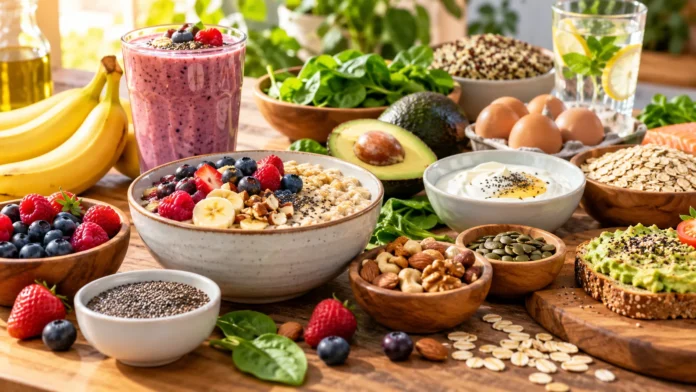
Feeling energetic throughout the day is important for staying focused, completing everyday activities, and maintaining overall well-being. The foods you eat provide nutrients that your body converts into energy for physical movement, brain function, and essential biological processes. Choosing healthy foods for natural energy can help support steady energy levels without depending on sugary drinks or products promising instant results.
Many everyday foods provide carbohydrates, protein, healthy fats, vitamins, and minerals that contribute to normal energy metabolism. Whole grains, fruits, vegetables, nuts, seeds, eggs, and legumes are excellent examples of nutritious options. Combining different food groups in balanced meals can help maintain consistent nourishment and support your body’s energy needs.
However, good energy levels depend on more than eating particular foods. Sleep quality, hydration, physical activity, stress, and overall health can influence how alert and energetic you feel. This guide explores the best foods for natural energy, explains their nutritional benefits, and offers practical ways to include them in your daily eating routine.
Why Is Food Important for Natural Energy?
Food provides the nutrients your body needs to produce energy and perform everyday functions. Carbohydrates, fats, and proteins contribute energy, while vitamins and minerals support the processes that convert food into usable fuel. Eating a varied diet helps ensure that these essential nutrients are available.
Carbohydrates are particularly important because they provide glucose, which many cells use for energy. Fats also support energy needs and other body functions, while protein contributes to tissue maintenance and repair. The body relies on all three macronutrients, making balanced nutrition more useful than focusing on a single energy-producing nutrient.
Regular nourishment can support concentration, physical activity, and overall comfort throughout the day. However, feeling tired does not always mean that a particular food is missing from your diet. Persistent fatigue can have several causes, including sleep problems and medical conditions, so nutrition should be considered as one part of overall health.
How Carbohydrates Provide Energy
Carbohydrates are a major source of energy for the human body. During digestion, many carbohydrates are broken down into sugars that can be absorbed and used by cells. Glucose is particularly important for brain function and physical activity, making carbohydrate-containing foods valuable parts of balanced meals.
Different carbohydrate sources provide different nutritional benefits. Whole grains, fruits, vegetables, and legumes often contain fiber alongside vitamins and minerals. Fiber slows certain digestive processes and supports gut health, helping make these foods nutritious choices beyond their carbohydrate content.
Carbohydrates should not automatically be avoided because they are an important part of normal nutrition. Choosing a variety of whole and minimally processed foods can support everyday energy needs. Combining carbohydrate-rich foods with protein and healthy fats also creates satisfying meals containing several essential nutrients.
Oatmeal: A Whole-Grain Breakfast for Energy
Oatmeal is one of the most convenient foods for supporting natural energy during the morning. Oats contain carbohydrates, fiber, and several important minerals. Their complex carbohydrate content provides fuel for normal body functions, while soluble fiber contributes to digestive health.
Oats are particularly known for containing beta-glucan, a type of soluble fiber associated with several nutritional benefits. They also provide nutrients such as manganese, magnesium, and certain B vitamins. These nutrients participate in normal biological processes, although oats should not be considered an instant solution for tiredness.
Oatmeal can be prepared with milk or a suitable alternative and combined with fruit, nuts, or seeds. This creates a breakfast containing carbohydrates, protein, fiber, and healthy fats. Overnight oats and warm porridge are both practical options for people who prefer simple meals.
Bananas: A Convenient Source of Natural Energy
Bananas are widely enjoyed because they are portable, naturally sweet, and easy to include in everyday meals. They provide carbohydrates that the body can use for energy, along with potassium and vitamin B6. Their soft texture makes them a familiar choice for breakfasts and snacks.
Potassium supports normal muscle and nerve function, while vitamin B6 contributes to several metabolic processes. Bananas also provide dietary fiber, although the amount and type of carbohydrate vary with ripeness. These characteristics make them a nutritious fruit rather than a special energy-boosting treatment.
Bananas can be eaten on their own or added to oatmeal, yogurt, smoothies, and whole-grain toast. Pairing them with other foods creates a more varied meal or snack. Their convenience makes them particularly useful when access to prepared meals is limited.
Eggs: Protein and Essential Nutrients
Eggs provide high-quality protein and several important vitamins and minerals. They contain vitamin B12, choline, and other nutrients that support normal body functions. Although protein is not usually the body’s preferred immediate fuel source, it contributes to overall nutrition and helps maintain body tissues.
Vitamin B12 plays a role in normal red blood cell formation and nervous system function. Choline supports cell membrane structure and other physiological processes. These nutrients contribute to good health, but eating eggs does not guarantee increased alertness or eliminate fatigue caused by other factors.
Eggs are versatile ingredients that can be enjoyed boiled, scrambled, or incorporated into prepared meals. Combining eggs with whole-grain bread, vegetables, or fruit creates a balanced breakfast. People with egg allergies should avoid them and choose appropriate alternative protein sources.
Sweet Potatoes: Nutritious Carbohydrates for Everyday Fuel
Sweet potatoes are a nutritious source of carbohydrates, fiber, and vitamins. Orange-fleshed varieties contain beta-carotene, which the body can convert into vitamin A. Their naturally sweet flavor and versatile texture make them an appealing ingredient for lunch and dinner.
The carbohydrates in sweet potatoes contribute fuel for everyday activities, while fiber supports digestive function. They also contain potassium and other nutrients involved in normal physiological processes. Their nutritional benefits come from their overall composition rather than any unusual ability to increase energy instantly.
Sweet potatoes can be baked, steamed, roasted, or incorporated into soups and other dishes. Pairing them with beans, eggs, fish, or other protein sources creates a balanced meal. Their versatility makes them easy to include in a wide range of cooking styles.
Brown Rice: Whole Grains for Balanced Meals
Brown rice is a whole grain that retains its bran and germ layers during processing. These components contribute fiber, minerals, and other nutrients. Like other carbohydrate-rich foods, brown rice provides energy that supports normal bodily functions and daily activities.
Brown rice contains magnesium, manganese, and several B vitamins in varying amounts. These nutrients support important processes related to metabolism and normal cell function. However, the nutritional value of a meal depends on all its ingredients rather than the choice of one grain alone.
Brown rice can be served with vegetables, beans, lentils, tofu, or lean protein sources. Its mild flavor makes it suitable for many different cuisines. White rice is also a useful carbohydrate source, and individuals can choose between varieties according to their preferences and dietary needs.
Quinoa: A Nutritious Grain Alternative
Quinoa is a seed commonly prepared and eaten like a grain. It provides carbohydrates, protein, dietary fiber, and minerals such as magnesium and iron. Its combination of nutrients makes it a versatile ingredient in balanced meals.
Protein supports tissue growth and maintenance, while carbohydrates supply energy for everyday functions. Iron contributes to normal oxygen transport in the blood, and magnesium participates in numerous biological processes. These nutrients are important for health, but their effects depend on overall dietary adequacy.
Quinoa can be used in grain bowls, salads, soups, and warm breakfast dishes. It pairs well with vegetables, legumes, and different protein sources. Its naturally gluten-free composition also makes it an option for people who need to avoid gluten, provided the product is suitable for their requirements.
Almonds: Healthy Fats and Protein
Almonds provide unsaturated fats, plant protein, fiber, and several important nutrients. They are particularly known for their vitamin E and magnesium content. These nutrients contribute to normal cellular functions and make almonds a useful addition to a varied eating pattern.
Healthy fats supply energy and support essential body processes. Protein and fiber also contribute to satisfying meals and snacks. Although almonds are nutrient-rich, their benefits are best understood as part of balanced nutrition rather than as a guaranteed remedy for low energy.
Almonds can be added to oatmeal, yogurt, salads, and homemade recipes. Almond butter provides another option for pairing with fruit or whole-grain bread. People with tree nut allergies should avoid almonds and choose safe alternatives that provide similar nutritional variety.
Walnuts: Healthy Fats for Brain and Body Functions
Walnuts contain polyunsaturated fats, including the plant-based omega-3 fatty acid alpha-linolenic acid. They also provide fiber, protein, and naturally occurring plant compounds. Their nutritional characteristics make them a useful ingredient in meals that include a variety of plant foods.
Omega-3 fatty acids support normal cellular function, while the fats in walnuts provide dietary energy. However, eating walnuts does not immediately improve concentration or replace the importance of sufficient sleep. Their value comes from contributing useful nutrients to everyday eating patterns.
Walnuts can be mixed into oatmeal, yogurt, salads, and baked dishes. Their slightly earthy flavor complements fruit and whole grains. Choosing different nuts and seeds throughout the week can provide a wider range of nutrients and textures.
Greek Yogurt: Protein and Carbohydrates
Greek yogurt is a popular food that provides protein, calcium, and other nutrients. It is typically made by straining yogurt to remove some of the liquid, creating a thicker texture. Its nutritional profile varies according to the milk, processing method, and additional ingredients.
Protein contributes to normal tissue maintenance, while the carbohydrates present in yogurt can provide energy. Calcium supports healthy bones and other physiological processes. Some yogurt products also contain live microbial cultures, although the strains and quantities differ between varieties.
Greek yogurt can be paired with fruit, oats, seeds, or nuts to create a nutritious breakfast or snack. Plain varieties offer flexibility when adding other ingredients. Individuals who avoid dairy can explore suitable alternatives while paying attention to differences in protein and nutrient content.
Lentils: Plant Protein, Iron, and Fiber
Lentils are affordable legumes that provide carbohydrates, plant protein, dietary fiber, and several important minerals. They are particularly useful in nutritious meals because they combine multiple nutrient groups in one ingredient. Their versatility makes them common in soups, stews, and traditional dishes around the world.
Iron is one of the nutrients found in lentils and is important for normal oxygen transport in the body. Inadequate iron intake can contribute to iron deficiency, which may affect energy levels. However, fatigue has many possible causes, and a medical evaluation is important when symptoms persist.
Lentils can be combined with vegetables, rice, and other nutritious ingredients for balanced meals. Foods containing vitamin C, such as tomatoes or bell peppers, can help improve absorption of plant-based iron. Proper cooking also makes lentils suitable for a variety of everyday recipes.
Chickpeas: Energy-Supporting Legumes
Chickpeas provide carbohydrates, protein, fiber, and minerals such as iron and magnesium. Their combination of nutrients makes them useful in meals that support everyday energy needs. They are a familiar ingredient in Mediterranean, Middle Eastern, and South Asian cuisines.
The carbohydrates in chickpeas provide fuel, while their fiber contributes to normal digestive function. Their protein content also supports tissue maintenance and other biological processes. These characteristics make chickpeas a nutritious food rather than a product that produces an immediate burst of energy.
Chickpeas can be included in salads, soups, curries, and grain bowls. Hummus is another familiar preparation that combines chickpeas with ingredients such as tahini and lemon juice. Their versatility makes it easy to incorporate legumes into meals without following complicated dietary rules.
Spinach: Iron, Folate, and Other Nutrients
Spinach is a leafy green vegetable that provides folate, vitamin K, and other important nutrients. It also contains iron, although the body absorbs plant-based iron differently from iron found in animal foods. Including spinach in a varied diet helps contribute to overall micronutrient intake.
Folate supports normal cell growth and red blood cell formation, while iron is necessary for transporting oxygen in the blood. These functions are important for general health and normal energy metabolism. However, spinach alone cannot prevent or correct every nutritional deficiency.
Spinach can be added to salads, soups, omelets, and cooked vegetable dishes. Pairing it with vitamin C-rich ingredients can support the absorption of non-heme iron. A variety of green vegetables provides different nutrients and makes meals more interesting.
Oranges: Vitamin C and Natural Carbohydrates
Oranges provide naturally occurring carbohydrates, vitamin C, water, and fiber. Their refreshing flavor makes them a popular fruit for breakfast and snacks. Like other fruits, oranges contribute nutrients that support normal bodily functions and a balanced eating pattern.
Vitamin C helps maintain normal immune function and supports collagen formation. It also enhances the absorption of non-heme iron from plant foods. These functions can contribute to nutritional well-being, although vitamin C does not directly function as an energy-producing nutrient.
Whole oranges provide fiber alongside their natural sugars and water. They can be enjoyed alone or combined with yogurt, oatmeal, and other foods. Choosing a variety of fruits helps provide different vitamins and minerals rather than depending on one particular fruit.
Berries: Antioxidants and Nutritious Carbohydrates
Berries such as strawberries, blueberries, and raspberries contain carbohydrates, fiber, vitamins, and naturally occurring plant compounds. Their bright colors reflect different pigments associated with their nutritional composition. They are enjoyable additions to balanced meals and snacks.
Berries contain antioxidants and other compounds studied for their relationships with health. However, these substances should not be interpreted as providing immediate energy or preventing tiredness. Their main benefit comes from contributing nutrients and dietary variety.
Fresh or frozen berries can be added to oatmeal, yogurt, smoothies, and homemade recipes. Frozen varieties can be practical when fresh fruit is unavailable. Both forms contribute to a balanced diet when prepared and stored appropriately.
Salmon: Protein and Omega-3 Fatty Acids
Salmon provides high-quality protein, omega-3 fatty acids, and several vitamins and minerals. It is particularly known for containing EPA and DHA, two long-chain omega-3 fatty acids involved in normal cellular function. Salmon also provides vitamin B12, which supports red blood cell formation and nervous system health.
Protein contributes to everyday nutrition, while fats provide an additional energy source. Vitamin B12 is involved in processes necessary for normal metabolism, but eating extra amounts does not automatically increase energy when nutritional needs are already met. Salmon’s benefits are best understood within a balanced dietary pattern.
Salmon can be baked, grilled, or added to salads and grain bowls. Combining it with vegetables and whole grains creates a varied meal containing several nutrient groups. People with fish allergies should choose suitable alternatives, while seafood selections should follow applicable food safety guidance.
Water and Hydrating Foods for Energy
Adequate hydration is important for maintaining normal physical and mental performance. Water supports circulation, temperature regulation, and numerous cellular processes. Dehydration can contribute to feelings of tiredness, difficulty concentrating, and physical discomfort, particularly during warm weather or physical activity.
Water-rich foods such as watermelon, oranges, cucumbers, and tomatoes contribute to overall fluid intake. Soups, yogurt, and other moist foods also provide water. These foods can complement regular drinking habits, although individual hydration requirements vary according to activity, climate, and health conditions.
Drinking enough fluids throughout the day is generally more useful than waiting until you feel significantly dehydrated. However, excessive fluid intake is not necessary and can sometimes be harmful. Paying attention to normal thirst and individual needs supports a balanced approach to hydration.
How to Build Balanced Meals for Consistent Energy
Balanced meals combine carbohydrate sources with protein, healthy fats, and a variety of fruits or vegetables. This approach provides several nutrients required for normal energy metabolism. It also helps make meals enjoyable and satisfying without depending on a single ingredient.
For breakfast, oatmeal with yogurt and fruit provides carbohydrates, protein, and fiber. Lunch might include brown rice, vegetables, and lentils, while dinner could feature fish or tofu with sweet potatoes. These examples demonstrate how familiar ingredients can contribute to varied nutrition.
Meal choices should reflect personal preferences, cultural traditions, allergies, and everyday routines. There is no universal eating schedule or perfect combination for everyone. Regularly enjoying enough nourishing food and listening to hunger and fullness cues supports a practical relationship with eating.
Common Mistakes When Choosing Energy Foods
One common mistake is relying on sugary drinks or highly promoted energy products as the main solution for everyday tiredness. These products may provide temporary stimulation or carbohydrates without addressing underlying concerns. Sleep, hydration, and overall nutrition are important factors that should not be overlooked.
Another mistake is assuming that one particular superfood can dramatically change energy levels. Although nutritious foods provide valuable vitamins and minerals, their benefits depend on the wider eating pattern. Consuming extra amounts of individual nutrients does not necessarily improve energy when the body already receives adequate nutrition.
Restricting food intake or skipping meals can also leave people feeling undernourished or uncomfortable. The body needs sufficient energy and nutrients to support daily activities. A balanced approach emphasizes regular nourishment, food variety, and appropriate medical attention when persistent fatigue cannot be explained by everyday habits.
Lifestyle Habits That Support Natural Energy
Food is only one part of maintaining good energy levels. Adequate sleep helps support memory, concentration, emotional well-being, and physical recovery. Consistent sleep routines and a comfortable sleeping environment can contribute to better daytime alertness.
Enjoyable physical activity can also support overall health and well-being. Walking, cycling, stretching, and recreational activities provide opportunities for movement without requiring exhausting exercise. The most appropriate activities depend on personal abilities, interests, and health circumstances.
Managing stress and allowing time for rest are equally important. Persistent tiredness may sometimes reflect medical concerns such as anemia, sleep disorders, or other health conditions. If fatigue continues despite adequate food and rest, a qualified healthcare professional can help investigate possible causes.
Conclusion
Choosing healthy foods for natural energy involves eating a variety of nutritious ingredients that provide carbohydrates, protein, healthy fats, vitamins, and minerals. Oats, bananas, eggs, nuts, lentils, sweet potatoes, and whole grains are useful examples. These foods contribute to normal energy metabolism and support everyday bodily functions.
Maintaining energy also depends on hydration, sufficient nourishment, sleep, and suitable physical activity. No individual food can guarantee lasting alertness or replace the importance of a balanced lifestyle. Combining familiar foods into enjoyable meals provides a practical approach to supporting daily nutritional needs.
The best eating pattern is one that offers variety, flexibility, and adequate nutrition without unnecessary restrictions. Including fruits, vegetables, whole grains, legumes, and protein sources can help support overall well-being. When unusual tiredness persists or affects daily life, professional medical advice can help identify causes that dietary changes alone may not address.
Frequently Asked Questions
What are the best foods for natural energy?
Oats, bananas, eggs, sweet potatoes, brown rice, lentils, nuts, and yogurt provide nutrients needed for normal energy metabolism. A balanced combination of foods is more useful than relying on one ingredient.
Which fruits provide natural energy?
Bananas, oranges, berries, apples, and other fruits provide carbohydrates, water, and important nutrients. Their natural sugars can supply energy, while fiber and vitamins contribute to overall nutrition.
Can nuts help maintain energy levels?
Nuts contain healthy fats, protein, fiber, and minerals that support normal body functions. Almonds, walnuts, and other varieties can be included in balanced meals and snacks.
What should I eat for breakfast to feel energized?
A nutritious breakfast may include oatmeal with fruit, eggs with whole-grain toast, or yogurt with nuts and seeds. These combinations provide several nutrients that support everyday energy needs.
Why do I feel tired even after eating healthy foods?
Persistent tiredness can result from insufficient sleep, stress, dehydration, nutritional deficiencies, or medical conditions. If fatigue continues or interferes with daily activities, consult a qualified healthcare professional.