
Introduction
Maintaining energy levels and focus throughout the day is crucial for optimal performance in both work and school environments. One of the most effective ways to sustain these energy levels is through healthy snacking. Unfortunately, many individuals face common challenges when it comes to snack choices. The convenience of unhealthy options often prevails, leading to increased fatigue, loss of concentration, and overall diminished productivity. Unhealthy snacks such as sugary treats and processed foods might provide a quick burst of energy, but they tend to result in a crash soon afterward. This fluctuation can leave individuals feeling tired and sluggish, negatively impacting their performance. Moreover, unhealthy snacking habits can lead to long-term health issues, including weight gain and nutritional deficiencies. In contrast, opting for nutritious snacks can significantly enhance one’s ability to focus and remain energized throughout the day.
Healthy snacks, which include fruits, vegetables, nuts, and whole grains, serve as an excellent source of essential nutrients, including vitamins, minerals, and fiber. These nutrient-dense options help maintain stable blood sugar levels, which plays an important role in controlling energy levels. Not only do these snacks provide physical nourishment, but they are also a vital part of a balanced diet, which can further promote mental clarity and cognitive function necessary for tackling daily tasks.
In the following sections, we will explore various healthy snack ideas tailored for individuals working or studying. The goal is to provide practical alternatives that can easily fit into any busy schedule, empowering everyone to make better snack choices that support their health and productivity.
The Role of Healthy Snacks
Healthy snacks play a pivotal role in enhancing cognitive function, boosting productivity, and improving overall well-being for individuals at work and school. As busy schedules often leave little time for proper meals, incorporating nutritious snacks becomes essential for maintaining energy levels and focus throughout the day. Studies have shown that when individuals consume snacks that are rich in vitamins, minerals, and healthy fats, their cognitive abilities significantly improve. For instance, research published in the American Journal of Clinical Nutrition highlights the impact of nutrient-dense snacks on mental performance, indicating that foods high in omega-3 fatty acids, such as nuts and seeds, can support brain health and cognitive processing.
Moreover, healthy snacks contribute to maintaining stable blood sugar levels, which can prevent the energy crashes often associated with consuming sugary or processed snack options. When energy levels are stable, individuals can more effectively concentrate on tasks, resulting in heightened productivity. A study conducted by the University of Massachusetts found that employees who consumed a balanced snack during the workday demonstrated improved focus and a 20% increase in performance on cognitive tasks compared to those who skipped snacking. This reinforces the idea that healthy snacks are not merely beneficial for physical health but also serve as a crucial tool for enhancing workplace and academic performance.
In terms of overall well-being, engaging in healthy snacking habits can contribute to long-term health benefits, such as reduced risks of chronic diseases and improved mental health. An article in the Journal of Nutrition emphasizes that individuals who adopt nutritious snacking patterns report higher levels of satisfaction and lower levels of stress. Thus, incorporating healthy snacks into daily routines can not only improve immediate cognitive function but also promote overall quality of life.
Quick and Easy Snack Ideas for Work
Maintaining a healthy diet while at work can be challenging, especially when time is limited and unhealthy options are often more accessible. However, incorporating nutritious snacks into your work routine is essential for sustaining energy levels and enhancing productivity. Here are several healthy snack ideas that are both convenient and require minimal preparation.
Nuts are a popular choice for many professionals due to their portability and nutritional value. Almonds, walnuts, and cashews can be easily stored in a small container or zip-lock bag and taken to the office. They are packed with healthy fats, protein, and fiber, making them an excellent option for a quick energy boost.
Another great snack idea is yogurt. Opt for individual servings of low-fat Greek yogurt which provide a good source of protein and probiotics. Greek yogurt can also be elevated by adding fruit or granola, making it a more satisfying choice. Look for options that have low added sugar to keep it healthy.
Fruits such as apples, bananas, and berries also make for easy and nutritious snacks. These fruits do not require any preparation and can be brought to work conveniently. They are rich in vitamins, minerals, and antioxidants, contributing to overall health. For additional energy, pair fruits with nut butter or cheese.
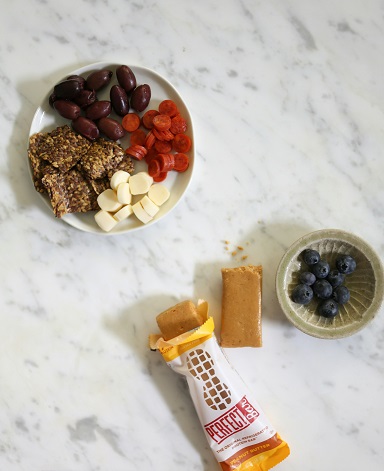
Whole grain bars are another practical option. Many varieties are available that offer wholesome ingredients without excessive sugar. These bars can be stored easily in a desk drawer and consumed at any time throughout the day. Selecting options that contain oats, nuts, and dried fruits will provide sustained energy and keep you full longer.
Incorporating these quick and easy snack ideas into your workday can promote healthier eating habits, ensuring that you remain energized and focused throughout your tasks.
Nutritious Options for School
As parents and guardians look for ways to boost their children’s nutrition without sacrificing taste, several healthy snack options stand out for school settings. Providing snacks that are both enjoyable and packed with nourishment is essential for keeping children energized and focused throughout their school day.
One popular option is veggie sticks. Carrot and cucumber sticks, bell pepper strips, and celery are not only colorful but also provide essential vitamins and fiber. These can be paired with a healthy dip such as hummus or a yogurt-based dressing to make them more appealing to children. The crunchiness of the veggies often makes them a hit among kids, promoting the consumption of fresh produce.
Another great choice is cheese cubes. Cheese offers a good source of calcium and protein, which are crucial for growing bodies. Portioning cheese into bite-sized cubes not only makes them convenient to pack but also allows children to enjoy them as an easy snack in between classes. Pairing cheese with whole-grain crackers not only enhances the flavor but also increases the snack’s overall health benefits.
Whole grain snacks are a fundamental inclusion in a balanced school snack lineup. Options such as whole grain mini muffins, baked whole grain chips, or popcorn can serve as satisfying alternatives to conventional snacks. These choices are usually lower in sugar and enriched with fiber, which helps maintain steady energy levels. Additionally, they can be easily added to lunchboxes or enjoyed during snack breaks.
Incorporating these nutritious snack ideas into children’s lunchboxes facilitates healthier eating habits while meeting school nutrition guidelines. By offering appealing, easy-to-pack, and wholesome choices, parents can ensure kids receive the nutrition they need while at school.
Preparation Tips for Healthy Snacking
Maintaining a consistent supply of healthy snacks is essential for both work and school environments. To do this efficiently, careful planning and preparation are fundamental. Meal prepping is one effective strategy that can help streamline this process. Allocate specific times during the week, perhaps on weekends, to prepare portions of snacks ahead of time. This can include chopping vegetables, preparing fruit mixes, or portioning out nuts into small containers. Having these items readily available makes it easier to avoid unhealthy snack options when hunger strikes.
Portion control is another critical aspect of healthy snacking. It is important to determine appropriate serving sizes to prevent overeating, which can occur easily with snack foods. Utilizing small containers or bags can assist in managing portion sizes. For example, individual servings of hummus or yogurt paired with sliced vegetables or whole-grain crackers can provide satisfying snacks without exceeding recommended caloric intake. Keeping snacks around 100-200 calories can adequately bridge the gap between meals without contributing to excessive caloric consumption.
Additionally, organizing snacks effectively at home and in the workplace can greatly enhance accessibility. Create designated areas in the pantry or refrigerator for healthy snacks, ensuring they are visible and easy to reach. Labeling containers can also help individuals quickly identify nutritious options. At work, consider having a small drawer or basket for healthy snacks, which can help foster better eating habits throughout the day. Grouping snacks together based on food categories can further simplify selection.
Incorporating these preparation and organizational strategies will not only facilitate healthier snacking patterns but also promote a balanced lifestyle conducive to productivity and overall well-being.
Incorporating Variety to Avoid Boredom
Maintaining a diverse range of snack choices is pivotal in ensuring that individuals remain engaged and satisfied with their dietary habits, whether at work or school. Consistently consuming the same snacks can lead to monotony, which can diminish the enjoyment and allure of healthy eating. To circumvent this potential pitfall, it is advisable to introduce variety into your snack regimen. This practice not only refreshes the palate but also promotes a more balanced diet by incorporating a range of nutrients.
A practical strategy for avoiding snack boredom involves rotating your selections weekly. For instance, one week you might focus on nut-based snacks such as almonds or walnuts, while the next week could feature seeds like pumpkin or sunflower seeds. This not only helps in maintaining interest but also supports dietary balance as different snacks provide various health benefits.
Flavor swapping is another effective method for keeping snacks interesting. Instead of sticking to a singular flavor profile, explore options like sweet, savory, or spicy variations of your favorite snacks. For example, you could enjoy yogurt topped with fresh berries during one week and then switch to yogurt with a hint of cinnamon and nuts in another. This slight alteration can make a significant difference in how appealing the snack feels.
Lastly, experimenting with different ingredients can be both fun and beneficial. Consider making energy balls with various components each time you prepare them. You might try oats combined with peanut butter and honey in one batch, while the next could include dates, cocoa powder, and coconut flakes. This flexibility not only encourages creativity but also promotes the consumption of diverse food groups, thereby enhancing nutritional intake.
Healthy Snacking on a Budget
Maintaining a healthy diet, especially in the context of snacks, can seem daunting, particularly when considering budget constraints. However, it is entirely possible to enjoy nutritious snacks without overspending. To achieve this, one can prioritize planning and smart shopping strategies to make healthy choices more affordable.
One effective way to save money while snacking healthily is to buy in bulk. Many grocery stores offer discounts on bulk purchases, which can lead to significant savings over time. Stocking up on staples such as nuts, seeds, and dried fruits not only provides easy snack options but also reduces the costs associated with purchasing individual packaged snacks. Furthermore, opting for larger containers of yogurt, fruits, and vegetables can also be more economical than single-serve portions.
Utilizing seasonal produce is another smart shopping tactic. Fruits and vegetables that are in season tend to be more affordable and fresher, maximizing both taste and nutritional value. For instance, during summer months, berries and stone fruits are typically more available and cheaper than in the winter. Incorporating these seasonal fruits into snacks—such as yogurt parfaits or smoothies—can provide a refreshing and budget-friendly alternative to highly processed snacks.
Moreover, making snacks from scratch is a cost-effective method for ensuring that healthy ingredients are used while avoiding preservatives and excess sugar. Simple recipes for homemade energy bars, popcorn, or vegetable chips require minimal ingredients and can be as delicious as they are nutritious. By preparing snacks at home, one not only controls what ingredients are included but also manages food expenditure effectively.
In conclusion, healthy snacking on a budget is achievable through bulk buying, taking advantage of seasonal produce, and making snacks from scratch. These strategies can foster a nutritious diet without imposing financial strain, encouraging both health-conscious eating and smart budgeting practices.
Addressing Common Snack Myths
When it comes to maintaining a healthy diet, numerous misconceptions about snacking can lead individuals to make poor food choices. Understanding these myths helps in making informed decisions about healthy snacking, especially at work and school.
One prevalent myth is that all carbohydrates are bad for health. In reality, carbohydrates are an essential macronutrient, providing energy for our daily activities. The key lies in choosing complex carbohydrates, such as whole grains, fruits, and vegetables, which digest slowly and offer sustained energy. Simple carbohydrates, like those found in sugary snacks, can lead to energy crashes and poor health outcomes.
Another common misconception surrounds dietary fats. Many believe that consuming any form of fat will lead to weight gain and health issues. However, healthy fats, such as those found in avocados, nuts, and olive oil, are crucial for various body functions, including hormone production and nutrient absorption. Moderation and the choice of healthy fats can contribute to a balanced diet. Fats are satiating, which can actually prevent overeating in some cases.
The myth that protein is the only source of nutrition necessary for muscle building and overall health is also misleading. While protein is crucial for muscle repair and growth, an adequate intake of vitamins, minerals, and other macronutrients is equally important for optimal body function. Combining protein with carbohydrates and healthy fats can enhance nutrient absorption and provide a well-rounded snacking option.
In conclusion, addressing these snack myths paves the way for healthier eating habits. By dispelling these misconceptions, individuals can make wiser choices when selecting snacks, leading to improved overall health and well-being.
Conclusion and Call to Action
In today’s fast-paced world, maintaining a healthy diet is critical, especially during work and school hours. Throughout this blog post, we have explored various healthy snack ideas that are not only nutritious but also practical for busy individuals. From high-protein options such as nuts and yogurt to fiber-rich fruits and vegetable snacks, we have highlighted the importance of incorporating wholesome foods into our daily routines. Furthermore, we discussed the benefits of preparing snacks in advance and opting for portable choices to ensure that, even during hectic schedules, one can make mindful eating decisions.
Choosing the right snacks can significantly enhance our overall productivity, energy, and well-being. By selecting the suggested snack ideas, we can avoid unnecessary temptations and maintain focus throughout the day. The key takeaway is to plan your snacks thoughtfully, ensuring they align with your dietary needs and tastes. This not only fosters healthier eating habits but also contributes to a balanced lifestyle.
We invite our readers to consider these healthy snack options seriously and encourage you to try incorporating them into your daily routine. Additionally, we are keen to hear from you! Please share your own favorite healthy snack ideas in the comments below. Your insights may inspire others in their quest for healthier living. Together, let’s create a community that values nutritious choices to enhance our work and school experiences.