
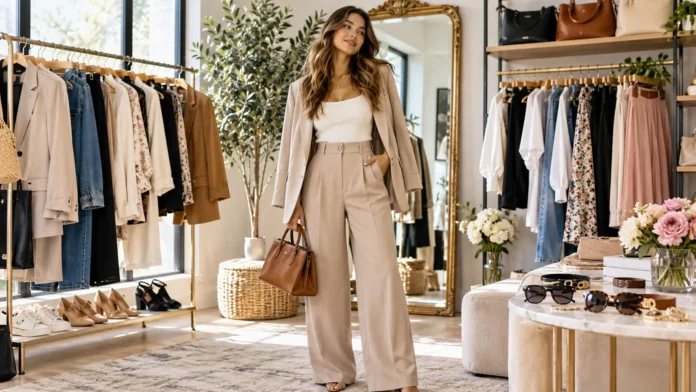
Creating outfits can feel challenging when you have plenty of clothes but struggle to decide what to wear. You might own comfortable jeans, stylish shirts, and several jackets, yet find it difficult to combine them into outfits you enjoy. Learning how to create outfits helps you make better use of your existing wardrobe while developing your personal fashion style.
The key to creating outfits is understanding how colors, fabrics, layers, and clothing pieces work together. You do not need expensive designer clothes or an entirely new wardrobe to put together interesting combinations. Simple basics, thoughtful accessories, and a little experimentation can help you create outfits for different occasions.
Whether you prefer casual fashion, minimalist clothing, streetwear, or smart-casual dressing, outfit planning can become an enjoyable part of your routine. This guide explains how to build outfits from scratch, coordinate colors, choose wardrobe essentials, and experiment with practical outfit ideas for different seasons and occasions.
How to Create Outfits From Scratch
Creating an outfit from scratch begins with selecting one clothing item as your starting point. This might be a favorite pair of jeans, a comfortable shirt, or a jacket you enjoy wearing. Once you choose that piece, consider which other items complement it. This simple process makes outfit planning feel more manageable.
For example, if you begin with blue jeans, you can add a plain white T-shirt and comfortable sneakers. A cardigan or lightweight jacket can provide another layer when needed. Alternatively, you could pair the same jeans with a button-down shirt. Each combination creates a different outfit using familiar clothing pieces.
The final step is considering the occasion, weather, and your personal comfort. An outfit intended for walking around a city may require different footwear from one designed for a formal event. You can also experiment with accessories and color combinations. Outfit creation becomes easier when you focus on practical needs and personal preferences.
Start With Your Wardrobe Basics
Wardrobe basics are versatile clothing items that work with many different outfits. Common examples include plain T-shirts, jeans, button-down shirts, comfortable trousers, sweaters, and simple jackets. These pieces provide a reliable foundation because they can be combined in several ways. Building outfits around familiar basics can simplify everyday dressing.
A white T-shirt, for example, can be worn with jeans, cargo trousers, or a casual skirt. Black trousers may work with a colorful sweater or patterned shirt. Basic clothing also provides a neutral starting point for more decorative items. This flexibility allows you to create different looks without requiring a large clothing collection.
Not everyone needs the same wardrobe essentials. Your ideal basics depend on your lifestyle, climate, cultural preferences, and daily activities. Someone living in a warm region may prefer breathable shirts, while another person may use more knitwear. Choose pieces that you genuinely enjoy wearing and can combine comfortably.
Choose a Color Combination That Works
Color coordination is an important part of outfit creation because colors influence the overall appearance of clothing combinations. You can create outfits using neutral shades, complementary colors, or contrasting tones. There is no single correct color palette for everyone. The most useful combinations are those that reflect your preferences and the occasion.
A simple starting point is combining two or three colors within an outfit. For example, beige trousers can be paired with a white shirt and a navy jacket. Blue jeans can work with gray, black, green, or burgundy tops. These combinations offer variety while keeping the color selection relatively straightforward.
You can also experiment with brighter colors or patterned clothing. A colorful top may pair well with neutral trousers, while a patterned jacket can complement a plain shirt. Colors do not need to match exactly to create an interesting outfit. Experimenting with different shades helps you discover combinations you enjoy.
Learn How to Mix and Match Clothes
Mixing and matching means combining existing wardrobe pieces in different ways to create new outfits. This approach allows you to wear familiar clothes without repeating the same combinations every time. It is particularly useful for developing a versatile wardrobe. Small styling changes can produce several distinct looks.
For example, a button-down shirt can be worn with jeans for casual outings or tailored trousers for smart-casual occasions. The same shirt may also be worn open over a plain T-shirt. Adding different shoes or accessories creates more variations. These combinations demonstrate how one item can work across different outfits.
A useful exercise is selecting a few favorite pieces and testing several combinations with them. You may discover that clothing you rarely wear works well with another item. Taking photos of combinations you enjoy can also help with future outfit planning. This process encourages creativity without requiring constant shopping.
How to Create Casual Everyday Outfits
Casual everyday outfits are designed for comfort and practicality during regular activities. They often include T-shirts, jeans, relaxed trousers, sweaters, and comfortable footwear. These clothing pieces can be combined in many ways depending on the weather and personal style. The goal is to create outfits that are easy to wear throughout the day.
One casual outfit idea is pairing straight-leg jeans with a plain T-shirt and sneakers. Another option involves relaxed trousers with a lightweight sweater. During mild weather, an open button-down shirt can provide an additional layer. These combinations are suitable for informal outings, shopping, or spending time with friends.
Casual outfits can also include accessories that reflect your personality. A simple watch, canvas bag, or patterned overshirt can add visual interest. Color choices can change the appearance of familiar combinations. You do not need complicated styling techniques to create practical and expressive everyday outfits.
How to Create Smart-Casual Outfits
Smart-casual outfits combine comfortable everyday clothing with slightly more structured pieces. This style is often suitable for informal workplaces, social gatherings, and occasions that require a polished appearance without formal dressing. Common items include button-down shirts, knitwear, tailored trousers, and simple jackets. The level of formality depends on the setting.
A smart-casual outfit might include a plain button-down shirt paired with tailored trousers and loafers. Another combination could involve a lightweight sweater over a collared shirt. Some settings also allow dark jeans with a structured jacket. These options create a neat appearance while remaining comfortable.
Choosing suitable fabrics and keeping clothing well maintained can help achieve your intended style. Neutral colors are easy to coordinate, but subtle patterns and brighter shades can also work. Footwear should match the occasion and planned activities. Smart-casual dressing allows flexibility rather than requiring one strict outfit formula.
Outfit Ideas With Jeans
Jeans are versatile wardrobe pieces that can be styled for many everyday occasions. Straight-leg, relaxed, wide-leg, and other denim styles provide different outfit possibilities. Their practical design makes them easy to combine with T-shirts, shirts, sweaters, and jackets. Choosing a comfortable pair creates a useful foundation for outfit planning.
For a relaxed look, pair blue jeans with a white T-shirt and sneakers. A light-blue button-down shirt can create another casual combination. During cooler weather, add a knitted sweater or denim jacket. Black jeans can also be paired with neutral or brightly colored tops for different appearances.
Changing footwear and outerwear can make the same jeans suitable for different settings. A simple shirt and cardigan may work for casual social occasions, while a structured jacket creates a slightly more formal look. Experimenting with different combinations helps you understand the versatility of denim. Personal comfort should remain a priority.
Outfit Ideas With Basic T-Shirts
Basic T-shirts are useful starting points for outfit creation because they work with many clothing styles. Plain white, black, gray, and other solid-colored shirts can be paired with numerous bottoms. Their simple design makes layering and accessorizing easier. Different necklines, fabrics, and fits provide additional variety.
A black T-shirt can be paired with beige trousers and sneakers for a comfortable everyday outfit. A white T-shirt may work with blue jeans and an open shirt. A colorful T-shirt can also become the main focus of a simple combination. These outfits require only a few familiar clothing pieces.
T-shirts can also be worn beneath cardigans, casual blazers, or lightweight jackets. This creates opportunities to adapt outfits to different temperatures and occasions. Adding an accessory or changing footwear can further personalize the look. Basic T-shirts remain useful because they provide flexibility without complicated styling.
How to Create Outfits With Dresses and Skirts
Dresses and skirts provide many styling possibilities because they can be paired with different layers, footwear, and accessories. A simple dress can work for casual outings or slightly more formal occasions depending on how it is styled. Skirts can also be combined with T-shirts, sweaters, and button-down shirts.
For a casual outfit, a comfortable skirt may be paired with a plain T-shirt and sneakers. A lightweight cardigan can provide an additional layer. A simple dress can also be worn with a denim jacket during mild weather. These combinations offer practical options for different daily activities.
For occasions requiring a more structured appearance, a skirt can be combined with a button-down shirt or knitwear. Footwear and accessories can be selected according to the setting. The most important consideration is choosing clothes that feel comfortable and allow movement. Different combinations can express personal style without following rigid fashion expectations.
How to Layer Clothes for Better Outfits
Layering involves combining multiple garments to create warmth, visual interest, or flexibility during changing temperatures. It is one of the most useful techniques for creating outfits from basic clothing. Shirts, cardigans, jackets, and coats can be worn together in different ways. The appropriate number of layers depends on the weather.
A simple layering combination begins with a plain T-shirt and an open button-down shirt. You can add a lightweight jacket when the temperature becomes cooler. Another option involves wearing a sweater over a collared shirt. These combinations create different appearances without requiring many additional wardrobe items.
Layering also allows experimentation with colors and textures. A cotton shirt beneath a knitted cardigan introduces contrasting materials, while a denim jacket can complement softer fabrics. Clothes should allow comfortable movement when worn together. Practical layering makes outfits more adaptable throughout the day.
How to Use Accessories to Complete an Outfit
Accessories can add personality and practical functionality to everyday outfits. Common examples include watches, bags, scarves, hats, belts, and simple jewelry. These items can introduce different colors, textures, or decorative details. They also provide opportunities to change an outfit without replacing the main clothing pieces.
For example, a plain shirt and trousers can look different when paired with a patterned scarf or colorful bag. A casual outfit may include a practical backpack and comfortable sneakers. A simple watch can also complement various clothing combinations. Accessories can be selected according to personal preference and daily needs.
Not every outfit requires accessories, and there is no universal rule about how many to wear. Some people prefer minimalist combinations, while others enjoy more expressive details. Choosing items that feel comfortable and suit the occasion is more useful than following strict styling formulas. Accessories should support your intended appearance rather than create unnecessary inconvenience.
How to Create Monochromatic Outfits
Monochromatic outfits use one color or several shades from the same color family. This styling approach can make outfit planning simpler because the pieces share a common visual theme. Black, gray, beige, blue, and brown are popular choices. However, monochromatic dressing can work with nearly any color.
For example, a beige sweater can be paired with darker beige trousers and a light neutral jacket. Another combination might include a navy shirt with dark-blue jeans. Different shades introduce variety while maintaining a coordinated palette. The clothing pieces do not need to match perfectly.
Texture can make monochromatic outfits more interesting. Combining denim, cotton, knitwear, or structured fabrics creates visual differences even when the colors are similar. Accessories can remain within the same color family or introduce contrast. This approach provides a flexible way to experiment with coordinated outfits.
How to Create Outfits for Summer
Summer outfits should account for warm temperatures, outdoor activities, and personal comfort. Lightweight fabrics and breathable clothing are useful in hot weather. Common options include cotton T-shirts, relaxed trousers, lightweight shirts, and casual skirts. The goal is to choose practical combinations that support daily movement.
A simple summer outfit might include a plain T-shirt with lightweight trousers and comfortable sneakers. Another combination could feature a breathable button-down shirt with casual bottoms. Dresses and skirts can also provide comfortable options. Clothing choices should reflect the weather and intended activity rather than follow one particular summer trend.
Accessories such as hats and sunglasses can provide additional comfort during sunny days. Lightweight layers may also be useful for indoor spaces with air conditioning. Selecting suitable fabrics helps manage heat and humidity. Summer outfit planning becomes easier when comfort and weather conditions guide clothing decisions.
How to Create Outfits for Winter
Winter outfits require clothing that provides appropriate warmth while allowing comfortable movement. Sweaters, jackets, coats, trousers, and insulating layers become important wardrobe pieces. Combining these garments creates opportunities for different outfit styles. The number and type of layers depend on the local climate.
A practical winter outfit might include a long-sleeved shirt, knitted sweater, jeans, and a warm coat. Another option is a cardigan layered over a button-down shirt with trousers. Scarves and suitable footwear can provide additional protection. These combinations can be adapted for casual or smart-casual occasions.
Winter styling also allows experimentation with different fabric textures and colors. Wool blends, fleece, denim, and structured outerwear can create interesting combinations. Clothing should remain comfortable when multiple layers are worn together. Choosing appropriate materials helps balance warmth, movement, and personal style.
How to Create Outfits for Different Occasions
Different occasions may require clothing that suits specific activities, environments, or dress expectations. Casual gatherings, workplaces, celebrations, and outdoor events can involve different practical needs. Understanding the setting helps you select appropriate pieces without unnecessary confusion. The goal is to create an outfit that feels comfortable and suitable.
For informal activities, jeans, T-shirts, and sneakers may provide practical combinations. Smart-casual events might involve button-down shirts, tailored trousers, or simple jackets. Outdoor activities may require weather-resistant clothing and supportive footwear. Considering the occasion before selecting clothes makes outfit planning more efficient.
Personal style can still be expressed within different clothing expectations. Colors, fabrics, accessories, and layering provide opportunities for individual choices. Checking event details beforehand can prevent last-minute uncertainty. Creating outfits around the occasion helps ensure that clothing supports rather than complicates your plans.
How to Create Outfits Without Buying New Clothes
Creating new outfits does not necessarily require purchasing additional clothing. Many wardrobes already contain pieces that can be combined in unfamiliar ways. Reviewing existing items can reveal useful possibilities that have been overlooked. Experimenting with different combinations helps make better use of clothes you already own.
Start by selecting several favorite pieces and pairing them with items you do not usually wear together. A familiar shirt might work well with different trousers or a cardigan. Changing footwear can also create a different appearance. Photographing combinations you enjoy makes them easier to remember.
Organizing your wardrobe can also make outfit planning simpler. Grouping similar items together helps you see available colors, fabrics, and clothing categories. You may discover practical combinations without making any purchases. This approach encourages creativity and reduces the pressure to follow every fashion trend.
How to Plan Outfits for the Week
Planning outfits in advance can reduce the time spent deciding what to wear each day. The process begins by reviewing your upcoming activities and expected weather conditions. You can then select clothing combinations that match each day’s schedule. This approach is particularly useful for busy mornings.
For example, you might prepare casual outfits for ordinary weekdays and reserve structured clothing for meetings or special events. Checking weather forecasts helps determine whether additional layers are needed. Keeping footwear and accessories with planned outfits can simplify preparation. The goal is convenience rather than creating a rigid clothing schedule.
Weekly outfit planning should remain flexible because activities and weather can change unexpectedly. Having a few alternative combinations available is useful. You can also repeat favorite outfits without needing completely different clothing every day. Practical planning helps make everyday dressing more organized and enjoyable.
Common Mistakes When Creating Outfits
One common mistake is choosing clothes without considering comfort or the planned activity. An outfit may look appealing but become inconvenient during long periods of walking or movement. Weather conditions can also affect comfort. Selecting practical clothing helps prevent unnecessary difficulties throughout the day.
Another mistake is assuming every outfit must include new or fashionable items. Existing wardrobe basics can create numerous combinations through layering, color coordination, and accessories. Constantly purchasing clothing is not necessary for personal expression. Experimenting with familiar pieces often provides useful styling ideas.
Some people also feel restricted by fashion rules that do not match their preferences. Clothing combinations are subjective, and different styles can work for different individuals. There is no requirement to follow one specific silhouette or color palette. The most useful approach is creating outfits that feel comfortable and reflect your personality.
Conclusion
Learning how to create outfits begins with understanding your wardrobe and identifying clothing combinations that suit your daily activities. Basic pieces such as T-shirts, jeans, sweaters, and comfortable trousers provide a practical foundation. Colors, layers, and accessories can then be used to create different appearances. Outfit planning becomes easier through experimentation and familiarity.
Creating interesting outfits does not require expensive clothing or constant shopping. Mixing existing wardrobe pieces, trying new color combinations, and adjusting layers can produce numerous styling possibilities. Casual, smart-casual, seasonal, and occasion-specific outfits can all be developed using familiar clothing. Personal comfort remains an important consideration.
Ultimately, the best outfit ideas are those that support your lifestyle and allow individual expression. Fashion does not need to follow strict rules or identical trends. By experimenting with different combinations and choosing clothes you enjoy wearing, you can develop a practical and flexible approach to everyday styling.
Frequently Asked Questions
How Do I Start Creating Outfits?
Start with one clothing item, such as jeans or a favorite shirt, and choose complementary pieces. Consider the occasion, weather, and comfort before adding layers, footwear, or accessories.
How Can I Create Outfits With Basic Clothes?
Combine versatile basics such as T-shirts, jeans, trousers, and sweaters. Experiment with different colors, layering combinations, jackets, and accessories to create multiple outfits using familiar pieces.
What Colors Are Easy to Match in Outfits?
Neutral colors such as white, black, gray, beige, brown, and navy are easy to combine. However, brighter colors and contrasting shades can also create interesting outfits depending on personal preference.
How Can I Make Outfits Without Buying New Clothes?
Review your existing wardrobe and experiment with combinations you have not tried before. Changing layers, footwear, accessories, and color pairings can create fresh outfits without additional purchases.
How Do I Know Whether an Outfit Works?
Consider whether the outfit feels comfortable, suits the occasion, and reflects your personal preferences. There is no universal formula for perfect styling, so experimenting helps identify combinations you enjoy.