
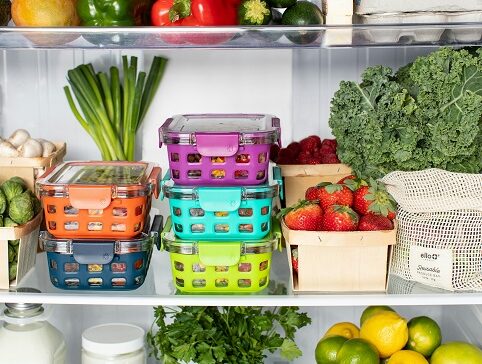
Understanding Food Waste
Food waste refers to edible food that is discarded or wasted, either at the consumer or retail levels. According to studies, approximately one-third of all food produced globally is never consumed, which translates into 1.3 billion tons of food waste every year. In households, significant amounts of food are wasted, with estimates indicating that an average family of four disposes of around $1,500 worth of food annually. This phenomenon has profound implications not only for household finances but also for the environment. The environmental impact of food waste is considerable. When food waste ends up in landfills, it decomposes anaerobically, leading to the release of methane, a potent greenhouse gas. This contributes to climate change, with food waste accounting for roughly 8-10% of global greenhouse gas emissions. Additionally, food production consumes resources such as water, energy, and land; hence, wasting food also entails wasting these vital resources.
Several factors contribute to food waste at home. One common reason is over-purchasing. Households often buy more food than they can consume, leading to surplus items that eventually spoil. Another reason is improper food storage techniques, which can cause perishables to expire before they can be utilized. Furthermore, many consumers misunderstand expiration dates, such as “sell by” and “best before” dates, often leading them to discard food that is still safe to eat. By understanding these reasons, households can actively work towards minimizing food waste, thereby reducing their environmental footprint and improving their budget.
Assessing Your Food Waste
In the pursuit of reducing food waste at home, the first step involves a thorough assessment of the existing food waste levels. Understanding what and how much food is being wasted can greatly illuminate patterns that may be contributing to this issue. One effective way to achieve this is by maintaining a food waste journal. This journal serves as a practical tool for tracking the quantities and types of food discarded over a specified period, such as a week or a month.
To begin with, designate a specific place in your kitchen to record the items that are being thrown away. Every time you dispose of food, note down what it is, its estimated weight, and the date it was discarded. This technique not only helps in quantifying waste but also fosters greater awareness about the types of food that are most often wasted. For instance, are you frequently discarding fruits that spoil before they can be consumed, or perhaps leftovers that go uneaten? Recognizing these trends is vital for identifying areas requiring intervention.
After a week or month of meticulous tracking, take the time to analyze the data you’ve gathered. Look for recurring items that consistently appear in your journal; these could indicate purchasing habits that may need adjustment or reveal opportunities for better meal planning. Additionally, assessing the frequency and quantity of waste can inform your decisions related to portion sizes and shopping frequency. By identifying these waste patterns, you can implement targeted strategies aimed at reducing food waste at home, thereby contributing not only to your household’s sustainability efforts but also to a wider environmental ethos.
Smart Shopping Tips
Reducing food waste begins not just at home, but also in the grocery store. To optimize your shopping practices, creating a comprehensive grocery list before heading out is crucial. A well-planned list helps to prevent impulse purchases and ensures that you buy only the items you genuinely need. Start by assessing your kitchen inventory to identify what you already have while planning meals for the week. This will allow you to purchase only what you require, significantly minimizing the likelihood of food spoilage.
Meal planning should be the focal point of your grocery shopping strategy. Designate a specific time each week to plan your meals, factoring in the ingredients that can be used across multiple dishes. This not only enhances efficiency in cooking but also maximizes your use of perishable items. Consider using leftovers creatively in new meals to further reduce unnecessary waste.
When selecting food items, evaluate whether to buy in bulk or smaller quantities. Purchasing in bulk can be a cost-effective choice, particularly for non-perishable goods or items that can be frozen. However, for fresh produce, it’s often wiser to purchase smaller portions to avoid waste from spoilage. Understanding food labels is essential to ensuring freshness; be aware of sell-by, use-by, and best-before dates. These labels guide your consumption timeline and can prevent you from keeping items longer than they are safe for consumption.
Additionally, choose the freshest produce by examining the visual signs of ripeness or spoilage and selecting items with longer shelf lives. Avoiding impulse buys is key; stick to your grocery list and give yourself time to think before adding unplanned items. By following these smart shopping tips, you can play a significant part in reducing food waste while also ensuring that your kitchen remains well-stocked with essential, fresh ingredients.
Proper Food Storage Practices
Effectively managing food storage is crucial in minimizing food waste and maximizing the usability of perishable items. The primary methods of food storage include refrigeration, freezing, and pantry maintenance, each serving different types of food and prolonging their freshness. Understanding how to store various foods optimally can significantly extend their shelf life and maintain quality.
When it comes to refrigeration, it is essential to organize your fridge effectively. Store raw meats at the bottom to prevent juices from contaminating other foods, and maintain a temperature below 40°F to inhibit bacterial growth. Additionally, utilize clear containers, allowing easy visibility and access, which encourages the consumption of ingredients before they spoil.
Frozen foods should be stored at 0°F or lower. Use airtight containers or freezer bags to prevent freezer burn, which can adversely affect texture and flavor. Notably, labeling items with dates will enable better tracking and rotation of food. Emphasizing the ‘first in, first out’ (FIFO) principle ensures that older products are used before newer ones, thereby reducing the likelihood of waste.
Pantry storage requires similar strategies to maintain the integrity of dry goods. Ensure that items are sealed properly; consider using glass jars or vacuum-sealed bags for products like grains and snacks. It is also beneficial to store pantry items in a cool, dry place away from direct sunlight, which can degrade food quality. Regularly check your pantry for expired items and give priority to consuming those that are nearing their expiration date. Implementing these food storage practices will go a long way in reducing food waste at home, ensuring both sustainability and cost-effectiveness.
Creative Leftovers Management
Effectively managing leftovers not only helps in reducing food waste at home but also allows for culinary creativity. One of the most effective strategies is reinventing meals with leftover ingredients. Consider transforming roasted vegetables into a hearty soup. Simply combine them with vegetable broth, seasonings, and any additional herbs you have on hand. This approach not only reduces waste but enhances your culinary repertoire.
Another idea is to incorporate leftovers into new recipes. If you have leftover rice from dinner, it can serve as the base for a delightful stir-fry the following day. Add some sautéed proteins, fresh vegetables, and a splash of soy sauce for a quick and satisfying meal. Similarly, leftover proteins from dishes such as grilled chicken or beef can be included in salads, sandwiches, or wraps, maximizing their use while introducing variety into your meals.
Effective storage and labeling of leftover foods is equally important in managing food waste. Use transparent containers for easy visibility and label them with the date they were prepared. This practice not only helps track the freshness but also reminds you to consume them before they spoil. Vacuum-sealing leftovers can extend their shelf life significantly, reducing the likelihood of throwing away spoiled food. Additionally, consider freezing items that you will not consume immediately, which prevents waste while allowing for future meal planning.
By creatively using leftovers and implementing smart storage solutions, households can significantly minimize food waste. These practices foster a sustainable approach to cooking and meal preparation, encouraging both resourcefulness and creativity in the kitchen.
Preserving Excess Food
Food preservation is an essential practice for minimizing waste in the home kitchen. By employing effective methods, such as canning, pickling, dehydrating, and freezing, households can ensure that excess fruits and vegetables do not end up discarded. Each of these techniques has its own unique advantages and is suited to different types of produce.
Canning involves placing food in jars and heating them to a temperature that kills harmful bacteria. To begin, select fresh produce and wash it thoroughly. Next, prepare the fruits or vegetables by cutting them into appropriate sizes. Fill sterilized jars with the prepared food, leaving enough headspace for expansion. Once filled, add the necessary liquid, usually water or a syrup for fruits, and seal the jars with lids. Finally, process the jars in a water bath or pressure canner based on the type of food.
Pickling, on the other hand, is an excellent way to preserve vegetables while adding zest and flavor. To create pickled items, start by washing and chopping your vegetables, such as cucumbers or carrots. Prepare a brine solution made from water, vinegar, salt, and optional spices. Place the vegetables in jars, pour the brine over them, and seal the jars tightly. Store them in a cool, dark place for a few weeks to allow the flavors to meld.
Dehydrating food is another efficient method that extracts moisture from fruits and vegetables, preventing spoilage. Use a dehydrator or an oven set to a low temperature. Slice foods evenly and arrange them in a single layer, ensuring proper airflow. This method is particularly suitable for fruits like apples and bananas, as well as vegetables such as tomatoes and bell peppers.
Lastly, freezing is one of the simplest ways to preserve excess food. Clean and prepare the produce before blanching vegetables in boiling water for a few minutes to retain color and nutrients. After blanching, immediately plunge them into ice water to stop the cooking process. Once cooled, drain and pack the vegetables in airtight freezer bags, removing as much air as possible to prevent freezer burn. Fruits can be frozen directly or after being cut and spread on a baking sheet for an hour, then transferred to bags.
Composting Food Waste
Composting food waste is an environmentally beneficial practice that enables individuals to transform organic kitchen scraps into nutrient-rich soil. This process not only minimizes the volume of waste sent to landfills but also contributes to a sustainable ecosystem. By starting a composting system at home, you are taking a significant step towards reducing your overall food waste footprint.
To begin composting, you need a basic understanding of what materials are suitable for your compost pile. Common scraps that can be composted include fruit and vegetable peels, coffee grounds, eggshells, and even small quantities of yard waste like grass clippings and leaves. However, it is important to avoid adding meat, dairy, and oily foods, as these can attract pests and create unpleasant odors.
Choosing the right composting method is essential for success. There are several options depending on the space available and personal preferences. For small spaces, a countertop compost bin or a worm composting (vermicomposting) system can be efficient. For those with more outdoor space, a traditional compost bin or heap can be established to handle larger quantities of waste. Ensure that your compost is kept aerated by periodically turning it, which helps to facilitate the decomposition process. Maintaining the right balance of green materials (nitrogen-rich) and brown materials (carbon-rich) is also crucial, as it helps create optimal conditions for composting.
By composting food waste, you not only reduce the amount of garbage generated but also enhance the quality of your garden soil. The resultant compost serves as a natural fertilizer, promoting healthy plant growth without the need for chemical additives. This simple yet impactful practice demonstrates that small changes in waste management can lead to substantial environmental benefits.
Engaging the Family in Waste Reduction
Reducing food waste at home is not just the responsibility of one individual; it requires the collective effort of all family members. To effectively engage everyone, fostering an understanding of the impact of food waste can be accomplished through some interactive activities and discussions tailored for different age groups.
For adults, begin by discussing the environmental and economic consequences of food waste. Highlight statistics that demonstrate how much food is wasted globally and relate it to local contexts. Engage in conversations about the importance of meal planning and shopping responsibly. Encourage each member to share their experiences with food waste, which can lead to a collective brainstorming session on practical solutions.
For children, it is beneficial to frame the issue in a way that resonates with them. Organize fun activities such as a “food scavenger hunt” where kids find ingredients in the fridge that may otherwise go overlooked. This activity not only instills a sense of creativity but also teaches them to make the most out of available resources. Workshops can be held where families cook meals together using leftovers, reinforcing the message that excess food can be creatively repurposed.
Additionally, utilizing visual aids can be powerful. Consider creating a family chart to track food waste reduction goals, or develop a simple worksheet that includes fun facts about food preservation techniques. These tools can help keep the conversation ongoing and engaging.
By working together and integrating discussions about food waste into everyday life, families can adopt better practices regarding consumption, storage, and disposal. This approach not only minimizes waste but also nurtures a community spirit grounded in sustainability.
Benefits of Reducing Food Waste
Reducing food waste is an essential practice that carries significant advantages not only for individuals but also for the broader community and the environment. One of the principal benefits of decreasing food waste is its positive impact on the environment. When food is discarded, it often ends up in landfills where it decomposes and produces methane, a potent greenhouse gas contributing to climate change. By minimizing the amount of food waste generated, individuals can directly contribute to lowering greenhouse gas emissions and mitigating climate change effects.
In addition to environmental benefits, reduce food waste also fosters economic advantages. For households, wasted food equates to wasted money; it has been estimated that the average family can save over a thousand dollars annually by managing their food purchases more effectively. This financial savings can be redirected towards other essential areas in personal budgets, enhancing overall economic stability. Moreover, businesses, including restaurants and retailers, benefit from implementing food waste reduction strategies, leading to higher profitability and lower operating costs.
The social implications of reducing food waste are equally significant. Food scarcity remains a pressing global issue, impacting millions of individuals worldwide. By making concerted efforts to decrease personal food waste, individuals can contribute to alleviating hunger in their communities. Initiatives such as donating excess food to local shelters or food banks provide nourishment to those in need, thus promoting social equity and reducing food insecurity.
In summary, the benefits of reducing food waste extend far beyond individual households. Engaging in this practice supports environmental sustainability, contributes to personal financial savings, and empowers social equity initiatives. By recognizing the importance of reducing food waste, individuals can play a vital role in achieving larger global sustainability goals, ultimately leading to a healthier planet and society.