
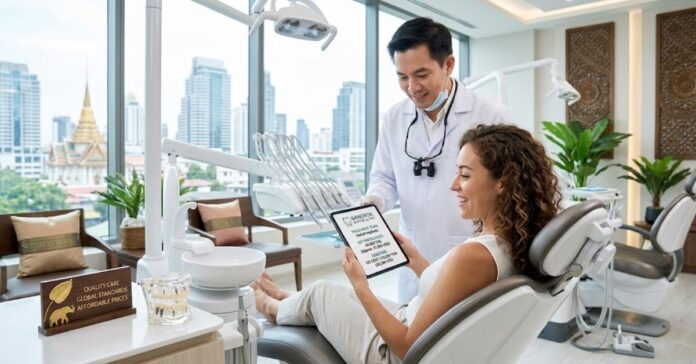
Every year, hundreds of thousands of travelers combine a tropical vacation with a trip to the dentist’s chair and it’s not as strange as it sounds. Thailand has become one of the world’s leading destinations for dental tourism, drawing patients from Australia, the United Kingdom, the United States, and neighboring Asian countries who are looking for high-quality treatment without the eye-watering price tags they’d face at home. Whether it’s a routine cleaning, a full set of veneers, or complex implant work, Thailand offers a combination of skilled specialists, modern facilities, and prices that can be 50–70% lower than in Western countries.
This guide walks through why Thailand has earned its reputation as a dental tourism hub, what treatments are most commonly sought, how much you can expect to pay, and what to consider before booking a flight and an appointment at the same time.
Why Thailand Has Become a Dental Tourism Destination
Thailand’s rise as a medical and dental tourism hotspot didn’t happen overnight. It’s the result of decades of investment in healthcare infrastructure, a steady pipeline of dentists trained to international standards, and a government that has actively promoted the country as a wellness and medical travel destination.
Several factors work together to make this possible:
Lower operating costs. Rent, staff wages, and general business overhead are significantly lower in Thailand than in Europe, North America, or Australia. Clinics can pass those savings on to patients without cutting corners on materials or sterilization standards.
A large pool of trained specialists. Many Thai dentists complete additional training or fellowships in the US, UK, Japan, or Germany, and Bangkok in particular has a dense concentration of cosmetic and restorative dental specialists who handle international caseloads year-round.
Accreditation and international standards. A number of dental hospitals and clinics in Thailand hold Joint Commission International (JCI) accreditation or equivalent local certifications, which means they follow globally recognized protocols for patient safety, infection control, and clinical governance.
Tourism-friendly infrastructure. English-speaking staff, patient coordinators who handle scheduling and paperwork, and clinics located near hotels or airports make the logistics of combining treatment with travel far less stressful than patients often expect.
For anyone starting to research their options, it helps to look at a resource that consolidates verified providers rather than relying on scattered forum posts or ads. Directories such as ThaiCheckup, Thailand dental tourism compile clinic listings, treatment categories, and general pricing information in one place, which makes the early planning stage considerably easier for first-time medical travelers trying to compare their options before committing to a specific clinic or city.
Popular Cities for Dental Treatment
While dental clinics exist throughout Thailand, a handful of cities have become the primary hubs for international patients.
Bangkok
As the capital and largest city, Bangkok has the widest concentration of dental hospitals and specialist clinics, many located in upscale medical districts with hotel-like amenities. It’s also the easiest city to reach by international flight, which makes it a natural starting point for patients arriving from overseas.
Phuket
Popular with patients who want to pair treatment with a beach holiday, Phuket has a growing number of clinics catering specifically to tourists, often with flexible scheduling around resort stays.
Chiang Mai
Known for a slower pace and lower cost of living, Chiang Mai attracts patients looking for a quieter recovery environment, along with competitive pricing on both dental and cosmetic procedures.
Pattaya
Close to Bangkok and popular with long-stay visitors, Pattaya has developed a dental tourism niche of its own, particularly for retirees and expats already living part-time in Thailand.
Common Dental Treatments Sought by International Patients
Dental tourists in Thailand come for a wide range of procedures, but a few categories dominate demand.
Cosmetic Dentistry
Veneers, teeth whitening, and smile makeovers are among the most requested services. Porcelain veneers in particular draw patients who want to correct discoloration, chips, or gaps in a way that would cost several times more in their home country. Full smile makeovers combining veneers, whitening, and sometimes minor orthodontic work are often completed within one or two extended trips.
Dental Implants
Implants are a major draw for older patients or those who have lost one or more teeth. Because implant treatment typically requires a healing period between the placement of the implant post and the final crown, many clinics structure the process across two visits spaced a few months apart, or offer accelerated protocols using immediate-load implants where clinically appropriate.
Crowns and Bridges
Patients needing to restore damaged or heavily decayed teeth often choose Thailand for crown and bridge work, especially when multiple teeth need attention and the cumulative cost at home would be substantial.
Root Canal Treatment
Endodontic treatment is commonly bundled with restorative work, since a tooth requiring a root canal often also needs a crown afterward.
Orthodontics
Traditional braces and clear aligner systems are both widely available, though orthodontic treatment generally requires either an extended stay or multiple shorter visits, making it more suitable for patients with flexible travel schedules, expats, or those who can coordinate remote check-ins with their provider.
Full Mouth Reconstruction
For patients with extensive dental issues combining missing teeth, damaged teeth, and bite problems some clinics offer comprehensive full mouth reconstruction plans that bundle implants, crowns, and sometimes gum treatment into a coordinated care plan.
Understanding the Cost Advantage
The primary reason patients travel to Thailand for dental work is cost. While exact prices vary by clinic, city, and the complexity of a case, the general pattern holds: treatments that would cost thousands of dollars in the US, UK, or Australia are often available in Thailand for a fraction of that price, even after factoring in flights and accommodation.
A few things influence the final price a patient will pay:
- Materials used. Higher-grade porcelain, branded implant systems (such as Straumann or Nobel Biocare), and imported materials generally cost more than locally sourced alternatives, but often come with stronger international warranties.
- Clinic location and reputation. Clinics in prime Bangkok medical districts, particularly those with JCI accreditation, tend to charge more than smaller regional clinics, though the difference doesn’t always reflect the quality of clinical outcome.
- Number of visits required. Treatments requiring multiple stages, such as implants, may involve two separate trips, which adds to the total travel cost even if the treatment fee itself is lower.
- Complexity of the case. A single crown is straightforward pricing; a full mouth reconstruction involves case-by-case planning and quoting.
Patients are generally advised to request a detailed, itemized quote before committing, since prices advertised online are often “starting from” figures that assume the simplest version of a procedure.
Read More: Healthy Snack Ideas for Work and School
What to Consider Before Booking Treatment
Dental tourism can be a smart financial decision, but it works best when patients go in prepared.
Get a Remote Consultation First
Reputable clinics will review X-rays, photos, or a description of your dental history before you travel, and provide a preliminary treatment plan and quote. This helps avoid surprises once you arrive and gives you a chance to compare quotes across a few clinics.
Check Credentials and Accreditation
Look into whether the clinic is licensed by the Thai Dental Council, and whether the specific dentist performing your treatment has relevant training and experience in the procedure you need. Reviews from other international patients, before-and-after case photos, and transparency about the dentist’s qualifications are all good signs.
Plan Around Healing Time
Procedures like implants or extensive restorative work aren’t one-and-done. Understand the realistic timeline including any required follow-up visit before booking flights, so you’re not rushing a healing process that needs time to complete properly.
Factor in Total Trip Cost
Add up flights, accommodation, local transport, and any planned recovery time when comparing the total cost against treatment at home. Even with these added expenses, most patients still find significant savings, but it’s worth calculating rather than assuming.
Ask About Aftercare and Warranties
Find out what happens if something goes wrong after you’ve returned home. Many established clinics offer warranties on crowns, implants, and veneers, and can coordinate with a local dentist in your home country if follow-up care is needed.
Communicate Clearly
While English proficiency among dental staff in tourist-oriented clinics is generally strong, it’s still worth confirming that your treatment plan, expected outcomes, and any risks have been explained in a way you fully understand before signing off on treatment.
Final Thoughts
Thailand’s combination of skilled dental professionals, modern clinics, and significantly lower costs has made it a genuinely attractive option for patients willing to travel for care. The key to a good outcome isn’t just finding the lowest price it’s doing the groundwork: verifying credentials, getting a clear written treatment plan, understanding the full timeline, and choosing a clinic that communicates transparently before you ever board a flight.
For patients approaching this for the first time, the research phase matters as much as the treatment itself. Taking the time to compare providers, ask detailed questions, and plan realistically around healing and follow-up care is what separates a smooth, successful dental trip from one that leaves you with more stress than savings. Done properly, dental tourism in Thailand can deliver both a healthier smile and a genuinely restorative travel experience.