
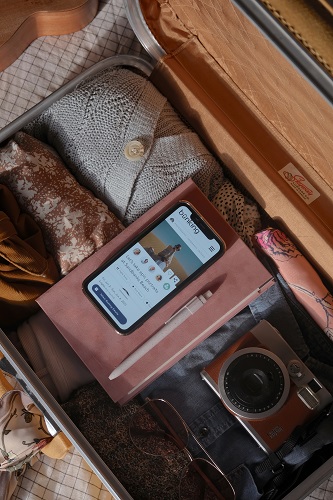
The Ultimate Packing List: Essentials You Can’t Forget
Packing for any journey requires careful consideration to ensure that essential items are included, tailored to fit the specific needs of the traveler. It is crucial to develop a comprehensive packing list that encompasses all necessary items, taking into account factors such as the destination, length of stay, and individual preferences. A well-thought-out packing list not only alleviates the stress associated with forgetting important belongings but also optimizes the travel experience by enabling smooth transitions between activities. When creating this ultimate packing list, it is advisable to categorize items into different sections. Firstly, consider clothing essentials, which should be adaptable to the weather conditions expected at the destination. Including versatile clothing pieces that can be mixed and matched can minimize the bulk of your luggage. Additionally, packing lightweight fabrics can contribute to efficient packing without sacrificing style.
Aside from clothing, hygiene products such as toothpaste, toothbrush, deodorant, and any personal care items should not be overlooked. Keeping a separate toiletry bag for these essentials can streamline the packing process and ensure easy access during travel. Furthermore, electronic devices and their chargers are critical; travelers should also include a universal adapter if traveling internationally.
Another significant aspect to consider is documentation, including identification, travel tickets, and accommodation confirmations. Storing these in a travel wallet or designated pocket can prevent any last-minute scrambling. Lastly, it’s wise to bring a first aid kit, particularly for extended trips where access to medical services may be limited.
Overall, by customizing the packing list to reflect personal needs and the specific context of the journey, travelers can ensure they are fully prepared for their adventures while also avoiding unnecessary and burdensome items in their bags.
Roll It Up: Packing Techniques That Save Space
Packing efficiently can significantly enhance your travel experience, allowing you to fit more into your luggage while keeping your clothes in decent condition. One of the most effective methods is rolling your clothes instead of traditional folding. This technique not only saves space but also minimizes wrinkles, ensuring that your garments look presentable upon arrival.
When you roll clothes, they occupy a more compact form than when they are simply folded. This is due to the reduction of air pockets and the way rolled garments can be tightly packed together, optimizing the available space in your suitcase. Furthermore, rolled clothing is often easier to access, making it simpler to identify and retrieve items you require during your trip.
Another strategy to enhance your packing efficiency is to incorporate the use of packing cubes. These are small, zippered organizers that allow you to compartmentalize your clothing, making it easier to manage various outfits and accessories. By using packing cubes alongside the rolling technique, you can separate items such as tops, bottoms, and undergarments, leading to a more organized suitcase. This organization can save precious time when unpacking or searching for specific items while on-the-go.
For travelers who have bulkier items, such as jackets or shoes, consider leveraging the empty spaces between rolled clothes. Shoes can often be placed within packing cubes, or they can be stored in the corners of your suitcase to maximize every inch. When it comes to jackets, try to wear the heaviest one during travel to free up space in your luggage.
Incorporating these packing techniques can not only make your travels more efficient but also provide a smoother experience when navigating your luggage throughout your journey.
The Power of Layers: Clothing Choices for Versatility
Packing for a trip often requires careful consideration of clothing that can adapt to varying climates and occasions. One of the most effective strategies is to adopt a layering approach, which affords increased flexibility and comfort. By selecting versatile pieces that can be worn in combination with one another, travelers can maximize their wardrobe while minimizing the number of items in their luggage.
When choosing clothing options, focus on lightweight, breathable fabrics that can easily be layered. Items such as t-shirts, long-sleeve shirts, and lightweight sweaters are ideal as they serve various purposes throughout the day. For instance, a simple t-shirt can be worn alone during the day, or layered with a long-sleeve shirt as temperatures drop in the evening. Additionally, selecting neutral colors allows for seamless mixing and matching, enhancing the number of outfit combinations available.
Another essential component of packing with layers is the inclusion of versatile outerwear. A lightweight, packable jacket can effectively shield against unexpected rain or wind, while also being easily removed when conditions improve. Opting for a jacket with removable liners can further enhance adaptability and comfort in fluctuating temperatures. Furthermore, incorporating accessories such as scarves, hats, or removable sleeves can not only serve a functional purpose but also elevate the overall appearance of an outfit.
Footwear selection plays a critical role in this strategy as well. Comfortable walking shoes that are easy to pair with both casual and semi-formal attire will ensure you are prepared for various occasions. By incorporating versatile clothing items and using the power of layers, travelers can navigate through different climates and social settings with ease and confidence. This thoughtful approach to packing not only streamlines the travel experience but also encourages a sense of style without compromising on comfort.
Technology on the Go: Packing Gadgets and Accessories
Traveling in today’s digital-age requires us to remain connected, efficient, and entertained while on the move. Essential tech gadgets and accessories can facilitate a smoother travel experience, transforming how we navigate the world away from home. Key items every traveler should consider include portable chargers, international adapters, and travel-sized devices.
Portable chargers are invaluable for keeping laptops, smartphones, and tablets ready for use, particularly during long flights or while exploring remote destinations. These lightweight power banks can be easily slipped into carry-on luggage, ensuring that devices maintain a charge throughout the journey. It is advisable to select a charger compatible with multiple devices and with sufficient capacity to sustain a full recharge when needed.
Another vital accessory is an international power adapter. Traveling abroad often presents challenges regarding plug shapes and voltages. Investing in a versatile travel adapter that supports various regions can save travelers time and hassle when it comes to powering up their devices. Choose an adapter with multiple outlets and USB ports, enabling simultaneous charging of several gadgets, which is particularly beneficial for group travelers or families.
Travel-sized devices also significantly contribute to convenience while away from home. Compact items such as folding Bluetooth keyboards, noise-cancelling headphones, or portable Wi-Fi hotspots can greatly enhance the travel experience. When packing these gadgets, consider using pouches or compartments to keep them organized, easily accessible, and to protect against damage or loss. It’s wise to prioritize lightweight options to minimize overall luggage weight.
To conclude, packing the right technological accessories will undoubtedly provide ease while traveling, allowing more focus on the experiences waiting to be explored. By incorporating portable chargers, international adapters, and travel-friendly devices into your packing routine, you can ensure a more connected and enjoyable journey throughout your travels.
Toiletries and Cosmetics: Smart Packing Tips
Packing toiletries and cosmetics efficiently is essential for travelers aiming to maximize space without sacrificing their hygiene and beauty routines. One of the primary strategies involves minimizing the amount of liquid items. Consider consolidating products by choosing multi-functional items, such as a moisturizer that doubles as a sunscreen. This not only saves space but also simplifies your packing list.
Utilizing travel-sized containers can significantly reduce the bulk of your toiletry kit. Many brands offer travel-sized versions of their popular products. Additionally, empty spill-proof containers are available for those who prefer to decant their usual products rather than purchase new ones. Be sure to adhere to the regulations regarding liquids in carry-on luggage, which typically mandates that each container hold no more than 100 milliliters.
To keep your toiletries organized, investing in a compact, multifunctional toiletry bag can be beneficial. Look for bags with multiple compartments and pockets, allowing for strategic separation of items. For instance, designate one section for cosmetics and another for hygiene products, making access simple and quick. You may also consider using resealable plastic bags for your liquids, as this can prevent any potential spills from soiling other items in your luggage.
Another handy tip is to create a checklist for your travel essentials. By planning in advance, you can ensure you pack only what is necessary, avoiding overpacking while ensuring that all critical items are included. Lastly, keep all cosmetics and toiletries at the top of your suitcase for easy retrieval during your travels, streamlining your morning routine and enhancing your overall travel experience. Following these packing tips will help you create a well-organized and efficient toiletry regimen while on the go.
Carry-On Only: Tips for Light Packing
Traveling with only a carry-on bag can significantly enhance your travel experience. Not only does it eliminate the stress of checking in luggage, but it also saves time at the airport, allowing you to bypass long lines at baggage claim. To take advantage of light packing, it’s essential to choose the right bag. Look for a high-quality, durable carry-on suitcase that meets airline regulations regarding size and weight. Airlines typically specify dimensions for carry-ons, so ensure that your chosen bag adheres to these guidelines to avoid any last-minute changes.
Once you have your bag, it’s time to consider what to pack. Start by selecting versatile clothing items that can be mixed and matched. This strategy not only reduces the number of outfits you need but also ensures that you have suitable attire for various occasions. Opt for lightweight fabrics that can be rolled rather than folded, as rolling clothing can save space and minimize wrinkles. Moreover, consider using packing cubes; they help organize your items efficiently, further maximizing the available space in your carry-on.
When packing, be mindful of airline regulations regarding liquids and other restricted items. Most airlines permit liquids in containers of 100 milliliters or less, all of which must fit into a single, transparent, resealable bag. To ease your journey, choose solid toiletries whenever possible. Additionally, remember to pack essential electronics and travel documents at the top of your bag for easy access during security checks.
In light of these strategies, packing light is not merely a choice but an approach that encourages simplicity and efficiency while traveling. By adopting these practices, you can navigate airports with ease and enjoy your adventures, all without the burden of excess baggage.
The Art of Organizing Your Luggage
Effective travel packing goes beyond merely fitting everything into your suitcase; it involves enhancing both packing and unpacking efficiency. One of the most effective ways to streamline your luggage organization is through the strategic use of compartments and packing organizers. These tools allow travelers to separate items based on categories such as clothing, toiletries, and accessories, which not only prevents clutter but also expedites the retrieval process during your journey.
Utilizing packing cubes is a popular method among avid travelers. These are lightweight, zippered containers that help compartmentalize your belongings. For example, one cube can hold shirts, another for pants, and another for undergarments. This system allows travelers to easily locate specific items without rummaging through their entire bag. Furthermore, packing cubes can enhance the overall capacity of your suitcase, as they encourage efficient use of space.
In addition to packing cubes, consider incorporating smaller pouches for organizing accessories like chargers, toiletries, and electronics. Transparent bags are particularly helpful for items that require quick access, such as travel documents or snacks. By clearly dividing these essentials, you can avoid the frustration of digging through your luggage to find what you need.
Labeling items can also significantly improve your luggage organization. Whether you utilize tag systems or color-coded packing cubes, proper labeling ensures that you can identify the contents of each compartment at a glance. This is especially beneficial when sharing luggage space with others, as everyone can immediately recognize where their belongings are stored.
In summary, mastering the art of organizing your luggage not only elevates your packing game but also enhances the overall travel experience. By using various compartments, packing organizers, and labeling methods, you can enjoy seamless transitions between destinations.
Avoiding Overpacking: How to Decide What to Bring
Overpacking is a common dilemma that many travelers face, often leading to a cumbersome journey and unnecessary stress. To avoid this issue, it is essential to approach packing with a strategic mindset. Begin by evaluating the essentials for your trip, considering the climate, duration, and planned activities. Creating a checklist can greatly assist in identifying necessary items and ensuring nothing crucial is overlooked.
One effective way to determine what to bring is to opt for versatile clothing options. Choose items that can be mixed and matched to create different outfits, minimizing the number of clothing pieces required. Fabrics that resist wrinkling and are suitable for various occasions can also be beneficial. For example, a simple pair of black pants can work for both a daytime outing and a night out, reducing the temptation to pack additional options.
It is also important to consider the purpose of each item. Ask yourself whether you will genuinely use an item during your trip or if it will remain packed away. This reflective questioning can often highlight unnecessary items. Furthermore, it may be helpful to limit yourself to a specific number of outfits, depending on the trip’s length, to keep things in check.
Another approach is to utilize technology and resources available today: consider reviewing travel blogs, packing apps, or even discussing with fellow travelers to gain insight into their experiences. Lastly, embrace the idea of traveling lightly; it not only simplifies your journey but also opens up the possibility of discovering new items along the way. By changing your perspective on what is truly necessary, you significantly reduce the urge to overpack, making your travel experience more enjoyable and manageable.
Last-Minute Packing Tips for Travelers
Packing efficiently can be a challenge, especially when you find yourself racing against the clock. However, with a few last-minute packing tips, it is possible to ensure that you don’t overlook any essentials before embarking on your journey. One effective strategy is to create a quick checklist that outlines all the necessary items you need to pack, including clothing, toiletries, and travel accessories. This checklist will serve as a visual guide, helping you to keep track of what you have packed and what remains to be added.
When time is limited, prioritize gathering your essentials first. You may want to sort your items into categories such as clothing, electronics, and travel documents. Grouping similar items helps to speed up the packing process. For clothes, consider rolling them instead of folding; this method saves space and minimizes wrinkles. Additionally, packing cubes can be particularly helpful, as they allow you to compartmentalize your belongings efficiently.
Before you leave, ensure that you have secured all your travel documents, including your passport, visa (if required), and any reservation confirmations. Having these documents readily accessible is vital to a smooth travel experience. A travel wallet or organizer can help keep these documents in one place, making them easier to find when needed.
Lastly, don’t forget to pack a small bag of security items to ensure your peace of mind while traveling. This can include items like hand sanitizer, face masks, and any necessary medications. By preparing these items ahead of time, you will alleviate the stress of searching for them at the last minute. Incorporating these last-minute packing hacks can help streamline your departure process and enable you to embark on your adventure with confidence.