
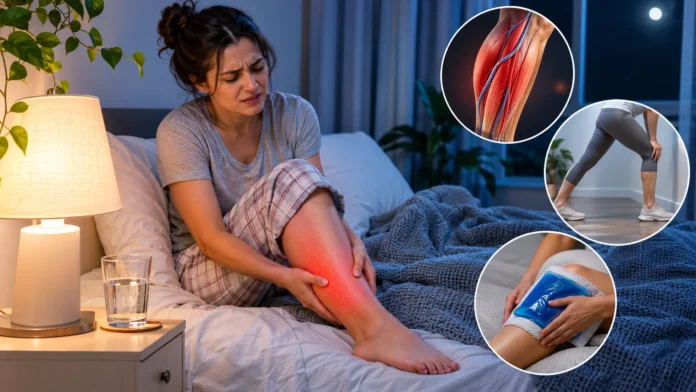
Leg pain at night can make it difficult to relax, fall asleep, or enjoy uninterrupted rest. You may experience aching calves, tight muscles, cramps, tingling, or a burning sensation after lying down. Sometimes, the discomfort follows a busy day of physical activity, while other times it appears without an obvious reason. Understanding why your legs hurt at night can help you recognize possible causes and find appropriate relief.
Nighttime leg pain can develop from muscle fatigue, dehydration, nerve irritation, circulation problems, or certain medical conditions. The location, intensity, and type of pain often provide useful clues about its origin. Although many cases improve with simple care, persistent or unusual symptoms may require medical attention. This guide explains common causes of leg pain at night, practical relief options, and warning signs you should not ignore.
Why Do My Legs Hurt at Night?
Leg pain at night occurs when discomfort develops or becomes more noticeable during the evening or while sleeping. It can affect the thighs, knees, calves, ankles, or feet. Some people experience a dull ache, while others notice sudden cramps or sharp sensations. The underlying cause varies depending on muscle activity, nerve function, circulation, and individual health conditions.
During the day, movement and other activities may distract you from mild discomfort. At night, reduced activity and fewer distractions can make existing symptoms more noticeable. Certain conditions also become worse when you rest or remain in one position. However, nighttime pain does not automatically mean that the problem is caused by sleeping posture.
Understanding the pain pattern can help identify possible causes. For example, sudden calf tightening may suggest a muscle cramp, while burning or tingling can indicate nerve involvement. Pain associated with swelling or changes in skin temperature deserves particular attention. A healthcare professional can assess persistent symptoms and determine whether further testing or treatment is necessary.
Muscle Fatigue and Overuse During the Day
Muscle fatigue is a common reason for aching legs at night, especially after unfamiliar or demanding physical activity. Long walks, prolonged standing, running, and repeated stair climbing can place additional stress on leg muscles. The resulting soreness may become more noticeable when you stop moving. Mild discomfort often improves as the muscles recover.
Delayed-onset muscle soreness can also develop after activities that challenge muscles more than usual. Symptoms commonly begin several hours after exercise and may become more noticeable during the following day or two. The affected muscles can feel tender or stiff during movement. This soreness generally improves gradually without requiring complicated treatment.
If your legs ache after physical activity, temporarily reducing demanding exercise may help. Gentle walking, comfortable movement, and adequate recovery can support the healing process. Avoid repeatedly pushing through significant muscle pain. If discomfort is severe, associated with unusual weakness, or does not improve as expected, seek medical advice.
Nighttime Leg Cramps and Sudden Muscle Tightness
Nighttime leg cramps are sudden, involuntary muscle contractions that often affect the calves. They may cause intense pain and make the affected muscle feel hard or tightly contracted. Some people wake up suddenly because of the discomfort. Although individual cramps often last only seconds or minutes, muscle tenderness can remain afterward.
The exact cause of nocturnal leg cramps is not always known. Possible contributing factors include muscle fatigue, certain medications, pregnancy, and some medical conditions. Dehydration or electrolyte problems may contribute in particular circumstances, but they do not explain every episode. Frequent cramps should not automatically be attributed to a mineral deficiency.
When a calf cramp occurs, gently straightening the knee and bringing the toes toward the shin may help relax the muscle. Standing or walking carefully may also provide relief when it feels safe. Avoid forceful stretching that increases pain. Repeated cramps that disturb sleep or interfere with daily life deserve medical evaluation.
Restless Legs Syndrome and Sleep Discomfort
Restless legs syndrome is a neurological condition that creates an uncomfortable urge to move the legs. Symptoms commonly develop during periods of rest, particularly in the evening or at night. People may describe crawling, pulling, tingling, or other unusual sensations. Moving the legs often provides temporary relief, although discomfort may return when movement stops.
Restless legs syndrome differs from ordinary muscle soreness because the urge to move is a defining feature. Symptoms can interrupt sleep and make it difficult to remain comfortable in bed. Some people experience occasional episodes, while others have frequent problems. The condition may be associated with low iron stores, pregnancy, certain medications, or other health factors.
Treatment depends on symptom severity and possible contributing conditions. A healthcare professional may review medications, sleep habits, and iron levels when appropriate. Gentle activity and consistent sleep routines may help some people. Iron supplements should not be started solely for restless legs symptoms without medical guidance and appropriate testing.
Poor Circulation and Peripheral Artery Disease
Circulation problems can sometimes contribute to leg pain, particularly when blood flow through the arteries is reduced. Peripheral artery disease develops when narrowed arteries limit blood supply to certain parts of the body. It commonly causes discomfort during walking that improves with rest. However, advanced disease may also produce pain while resting or lying down.
People with severe circulation problems may notice pain in the feet or lower legs at night. The affected foot may feel unusually cool, or symptoms may improve when the leg is lowered. Skin changes and slow-healing wounds can also occur. These symptoms require medical assessment because reduced blood supply can threaten tissue health.
Not every case of nighttime leg pain involves poor circulation. Muscle cramps and nerve conditions are often more likely explanations for some symptom patterns. However, persistent resting pain accompanied by a cold foot, color changes, or wounds should not be ignored. Sudden severe leg pain with a cold, pale, or numb limb requires emergency medical attention.
Nerve Pain and Peripheral Neuropathy
Peripheral neuropathy occurs when nerves outside the brain and spinal cord become damaged or function abnormally. It can cause burning, tingling, numbness, or sharp sensations in the legs and feet. Some people notice that symptoms become more uncomfortable at night. The discomfort may affect sleep even when the legs are not moving.
Diabetes is one possible cause of peripheral neuropathy, but several other conditions can affect nerve health. Vitamin deficiencies, certain medications, and other medical disorders may also contribute. The symptoms often develop gradually, although their pattern varies. Nerve pain may feel different from ordinary muscle soreness because it can involve altered skin sensation.
Treatment focuses on identifying the cause and managing symptoms appropriately. A healthcare professional may examine sensation, muscle strength, reflexes, and relevant medical history. Blood tests or additional investigations may be useful in selected cases. Persistent burning, numbness, or worsening weakness should be assessed rather than treated only with home remedies.
Sciatica and Pain Radiating From the Lower Back
Sciatica refers to symptoms that develop when the sciatic nerve or contributing spinal nerve roots become irritated. The discomfort may begin in the lower back or buttock and travel down part of one leg. Some people experience shooting pain, burning sensations, or tingling. Symptoms can vary with movement, posture, and the underlying condition.
A herniated spinal disc is one possible cause of nerve irritation, although it is not responsible for every case. Age-related spinal changes and other conditions can also contribute. Lying in certain positions may increase discomfort for some individuals. However, pain location alone cannot confirm sciatica or determine the precise structure involved.
Many uncomplicated episodes improve with appropriate activity modification and gradual movement. Physical therapy may help restore comfort, strength, and normal function when suitable. Avoid aggressive stretches that worsen radiating pain. New leg weakness, numbness around the groin, or changes in bladder or bowel control require urgent medical evaluation.
Joint Problems and Arthritis-Related Leg Pain
Joint conditions can cause discomfort that becomes more noticeable during the evening or after a physically demanding day. Osteoarthritis commonly affects the knees and hips and may produce aching, stiffness, or reduced movement. The pain can sometimes spread into nearby areas of the leg. Symptoms often vary according to activity levels and the severity of joint changes.
Inflammatory arthritis can also affect leg joints and may cause swelling, warmth, stiffness, or persistent pain. Some inflammatory conditions produce more noticeable symptoms during rest or after prolonged inactivity. However, different forms of arthritis have different patterns. Joint pain should not automatically be attributed to aging or normal physical activity.
Treatment depends on the type of joint problem and the person’s overall health. Appropriate exercise, rehabilitation, and medical treatment may improve comfort and function. Sudden severe joint pain accompanied by fever, marked swelling, or redness requires prompt assessment. A healthcare professional can help distinguish ordinary joint discomfort from conditions needing more urgent treatment.
Can Dehydration or Mineral Imbalances Cause Leg Pain?
Water and essential minerals support normal muscle and nerve function. Significant dehydration or disturbances in electrolytes such as sodium, potassium, calcium, and magnesium may contribute to muscle symptoms. These can include weakness, cramping, or unusual muscle contractions. However, ordinary nighttime leg pain does not necessarily indicate dehydration or a mineral imbalance.
People may lose additional fluids through sweating, illness, or certain medications. In these situations, maintaining appropriate hydration becomes particularly important. Some medical conditions can also influence electrolyte balance. Drinking excessive water or taking large amounts of supplements without guidance can create additional health problems rather than improve symptoms.
A practical approach involves drinking according to normal needs and maintaining a varied, balanced diet. Foods containing important minerals contribute to overall nutritional health. If cramps are frequent, severe, or accompanied by other symptoms, medical assessment may help identify contributing factors. Supplements should be considered based on individual needs rather than assumptions about the cause.
Pregnancy and Nighttime Leg Discomfort
Pregnancy can sometimes contribute to nighttime leg cramps, swelling, and other forms of discomfort. Changes in circulation, physical demands, and hormonal activity may influence symptoms. Calf cramps are particularly common during the later stages of pregnancy. However, not every episode of leg pain during pregnancy has the same cause.
Gentle movement, comfortable positioning, and appropriate hydration may help with uncomplicated muscle discomfort. A maternity healthcare professional can recommend suitable approaches based on the stage of pregnancy and individual health. Avoid beginning medications or supplements without appropriate guidance. Persistent symptoms should be discussed during prenatal care rather than dismissed as an unavoidable part of pregnancy.
Certain symptoms require urgent assessment because pregnancy increases the risk of some circulation-related conditions. Pain concentrated in one leg with swelling, warmth, or noticeable discoloration may suggest a blood clot. Sudden breathing difficulty or chest pain requires emergency care. Prompt evaluation helps distinguish common pregnancy discomfort from potentially serious medical problems.
Leg Pain in Children During the Night
Children sometimes experience recurring leg aches during the evening or at night. A familiar pattern often called growing pains usually involves both legs and may occur after active days. Despite the name, these pains have not been proven to result directly from bone growth. The discomfort commonly resolves by morning without causing a persistent limp.
Children with this pattern may describe aching around the calves, thighs, or behind the knees. Symptoms can interrupt sleep but often leave the child comfortable during ordinary daytime activities. Gentle reassurance and comfort measures may help. However, recurring pain should not automatically be classified as growing pains without considering other possible causes.
Medical assessment is important when a child has persistent pain in one location, swelling, fever, or difficulty walking. Pain associated with injury or symptoms that continue during the day also deserves attention. These findings are not typical of uncomplicated growing pains. A clinician can evaluate the symptoms and recommend suitable care.
How to Relieve Leg Pain at Night
Relief for nighttime leg pain depends on the underlying cause and the type of discomfort. For mild muscle soreness, relative rest and comfortable movement may help. A warm compress can relax some tight muscles, while a cool pack may provide relief after recent physical strain. Use a protective towel and avoid excessive temperatures.
Gentle calf stretches may be helpful for some people who experience nighttime cramps. However, stretching should not be forced through sharp pain or performed when a serious injury is suspected. Changing sleeping position or supporting the legs comfortably may also reduce certain types of discomfort. These strategies are not substitutes for treatment when symptoms result from nerve or circulation problems.
Over-the-counter pain medicines may be appropriate in selected circumstances, depending on age, medical conditions, and other medications. A pharmacist or healthcare professional can help identify suitable options. Avoid using pain medicine repeatedly without understanding the cause of persistent symptoms. Effective relief begins with recognizing whether the discomfort is muscular, neurological, joint-related, or associated with another condition.
How to Prevent Leg Pain While Sleeping
Preventing nighttime leg pain begins with identifying patterns that may contribute to discomfort. If symptoms repeatedly follow demanding physical activity, gradually adjusting exercise intensity may help. Regular comfortable movement and adequate recovery support muscle function. Avoid sudden increases in training volume, particularly when returning to exercise after a period of inactivity.
Sleep positioning may also influence comfort for people with certain back, hip, or joint conditions. A pillow placed between the knees or under the legs may feel supportive, depending on individual needs. There is no single sleeping position that prevents all leg pain. Choose a position that allows comfortable rest without increasing symptoms.
Consistent sleep habits, suitable hydration, and balanced physical activity can support general well-being. However, prevention strategies should reflect the underlying cause rather than treating all nighttime discomfort as ordinary muscle fatigue. Persistent symptoms may require medical assessment and targeted treatment. Addressing a specific problem is more effective than relying on one universal home remedy.
When Should You Worry About Leg Pain at Night?
Occasional mild leg soreness may improve with appropriate care, but certain symptoms require medical attention. Persistent pain, worsening numbness, repeated sleep disruption, or difficulty walking should be assessed. Severe pain after an injury may indicate significant muscle, bone, or joint damage. Early evaluation helps determine whether additional investigation or treatment is necessary.
Seek urgent medical care for new pain and swelling in one leg, particularly when the area feels warm or looks unusually red or discolored. These symptoms may indicate deep vein thrombosis, a blood clot in a deep vein. Do not massage a leg when a blood clot is suspected. Sudden chest pain, fainting, or difficulty breathing requires emergency medical care.
A suddenly cold, pale, severely painful, or numb leg may indicate an urgent circulation problem. New weakness, loss of bladder or bowel control, or numbness around the groin also requires immediate assessment. These symptoms should not be managed through routine stretching or home treatment. Recognizing warning signs is essential for distinguishing common nighttime aches from potentially serious conditions.
Conclusion
Leg pain at night can develop for many reasons, including muscle fatigue, cramps, restless legs syndrome, nerve irritation, and joint conditions. Circulation problems and certain medical conditions may also contribute. The location and type of discomfort can offer useful clues, but symptoms alone do not always identify the cause. Understanding possible explanations is an important first step.
Mild nighttime muscle discomfort may improve with relative rest, gentle movement, and suitable comfort measures. Maintaining a balanced routine and avoiding sudden increases in physical activity can also help some people. However, persistent pain, burning sensations, or repeated cramps deserve proper assessment. Treatment should address the underlying condition rather than relying on temporary relief alone.
If you are wondering why your legs hurt at night, pay attention to associated symptoms and whether discomfort is improving or worsening. Severe swelling, sudden circulation changes, breathing difficulty, or significant neurological symptoms require urgent medical care. Many causes of nighttime leg pain can be managed effectively once identified. Appropriate care can help improve comfort, mobility, and sleep quality.
FAQs
Why do my legs ache at night when I lie down?
Nighttime leg aches may result from muscle fatigue, cramps, restless legs syndrome, nerve irritation, or circulation problems. The cause depends on the pain pattern, associated symptoms, and medical history.
What is the fastest way to relieve leg pain at night?
For mild muscle discomfort, gentle movement, comfortable stretching, or a warm or cool compress may provide temporary relief. Severe, persistent, or unexplained pain requires medical assessment rather than repeated home treatment.
Can poor circulation cause leg pain at night?
Yes. Severe peripheral artery disease can cause leg or foot pain during rest, including at night. A cold foot, skin changes, or persistent resting pain requires prompt medical evaluation.
Why do my calves cramp while I am sleeping?
Nighttime calf cramps are involuntary muscle contractions that may occur without an identifiable cause. Muscle fatigue, medications, pregnancy, and certain medical conditions can contribute. Frequent episodes should be discussed with a healthcare professional.
When should I worry about nighttime leg pain?
Seek urgent help for one-sided leg swelling with pain, sudden severe pain, a cold or pale foot, or new neurological symptoms. Chest pain or breathing difficulty requires emergency care.