
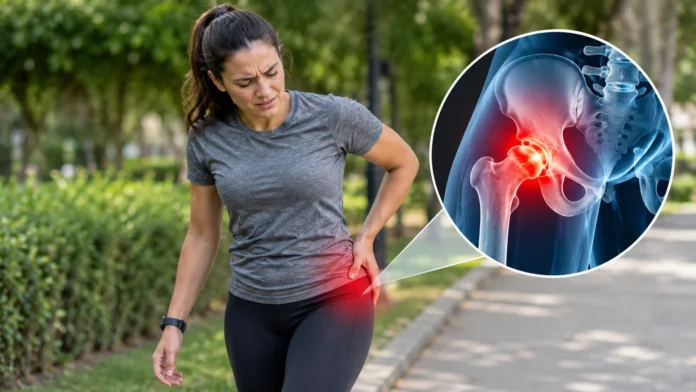
Hip pain while walking can make everyday activities uncomfortable, especially when discomfort appears during simple movements. Some people experience a dull ache around the hip joint, while others notice sharp pain, stiffness, or tenderness. The discomfort may develop suddenly or gradually over time. Understanding the possible causes can help you recognize when home care may be appropriate and when medical attention is necessary.
If you are wondering, “Why does my hip hurt when I walk?”, several conditions could explain the problem. Muscle strains, tendon irritation, arthritis, and nerve-related conditions can all affect how comfortably you move. Sometimes, pain that feels like it comes from the hip actually originates in the lower back. The location and pattern of symptoms provide important clues.
Hip pain should not automatically be considered a normal part of walking or physical activity. Although mild discomfort may improve with rest and appropriate care, persistent or worsening symptoms deserve medical evaluation. Early identification of the underlying cause can support recovery and prevent additional problems. This guide explains common causes, possible treatments, warning signs, and practical prevention tips.
Understanding Why Your Hip Hurts When You Walk
The hip is a large ball-and-socket joint that connects the thigh bone to the pelvis. It supports body weight and allows movements such as walking, running, bending, and climbing stairs. Muscles, tendons, ligaments, and cartilage work together to maintain stability. When any of these structures become irritated or injured, walking may cause discomfort.
Hip pain can develop from several different mechanisms, including inflammation, tissue injury, joint degeneration, and nerve irritation. Some conditions become more noticeable when the joint carries weight during walking. Others cause discomfort after prolonged sitting or repetitive movement. Understanding when pain occurs can help identify patterns that may be useful during a medical examination.
The location of pain also provides valuable information about possible causes. Discomfort in the groin may indicate a problem inside the hip joint, while pain along the outer hip often involves surrounding tendons or soft tissues. Pain around the buttocks may originate from the lower back. However, symptoms frequently overlap, so location alone cannot establish a diagnosis.
Common Causes of Hip Pain While Walking
Several medical conditions can explain why your hip hurts when you walk. Muscle strains, tendon irritation, osteoarthritis, and bursitis are common possibilities. Hip joint injuries and certain spinal conditions can also produce similar symptoms. The underlying cause often depends on your age, recent activities, previous injuries, and the exact location of discomfort.
Overuse is one possible explanation, particularly after an unusual increase in walking, running, or physical activity. Repetitive movements can irritate muscles and tendons around the hip, especially when recovery time is limited. However, pain following exercise does not always indicate a minor strain. Persistent discomfort, limping, or reduced movement may suggest another problem requiring assessment.
Other causes include hip impingement, labral injuries, stress fractures, and inflammatory joint conditions. Some conditions produce gradually worsening discomfort, while others begin suddenly after a fall or awkward movement. Medical history and physical examination are important for distinguishing these possibilities. Identifying the actual cause allows treatment to address the problem rather than temporarily covering up symptoms.
Hip Osteoarthritis and Pain During Walking
Hip osteoarthritis develops when joint tissues gradually change, affecting cartilage, surrounding bone, and other joint structures. These changes can cause pain, stiffness, and reduced flexibility. Discomfort often becomes more noticeable during weight-bearing activities such as walking or standing. Some people also experience pain in the groin, thigh, or buttocks rather than directly over the outer hip.
Morning stiffness or discomfort after prolonged sitting may occur with hip osteoarthritis. The joint might feel difficult to move initially but become more comfortable after gentle activity. However, longer walks or demanding physical tasks can sometimes increase symptoms. The severity varies considerably, and imaging findings do not always match how much pain a person experiences.
Treatment generally focuses on improving mobility, managing pain, and maintaining normal daily activities. Appropriate strengthening exercises, physical therapy, and activity adjustments can help many people. Healthcare professionals may recommend medication or additional treatment depending on individual needs. Severe cases sometimes require specialist evaluation, particularly when pain significantly affects walking, sleep, or quality of life.
Hip Bursitis and Pain on the Outside of the Hip
Pain along the outer hip is sometimes described as hip bursitis, although irritated gluteal tendons are frequently involved. This group of conditions is often called greater trochanteric pain syndrome. It can cause tenderness over the bony area at the side of the hip. Walking, climbing stairs, or lying on the affected side may increase discomfort.
The symptoms may develop gradually after repetitive activity or changes in movement patterns. Some people notice pain when standing on one leg or walking uphill. Others experience aching that extends along the outer thigh. Although these symptoms suggest soft tissue irritation, similar discomfort can occur with other hip or lower-back conditions.
Treatment may include temporary activity modification, appropriate exercise, and professional rehabilitation guidance. Avoiding prolonged pressure on the painful side can sometimes improve comfort. Physical therapy often focuses on gradually strengthening the muscles that support the hip. If symptoms continue or interfere with normal movement, a healthcare professional can assess whether additional treatment is necessary.
Hip Flexor Strain and Muscle-Related Pain
The hip flexors are muscles that help lift the thigh and move the leg forward during walking. These muscles can become strained during sudden movements, sports activities, or unfamiliar physical demands. A hip flexor strain often causes pain near the front of the hip or groin. Discomfort may increase when raising the knee or taking longer steps.
Muscle-related hip pain can also involve the gluteal muscles, adductors, or other tissues surrounding the joint. Symptoms may include tenderness, stiffness, and discomfort during specific movements. Mild strains often improve gradually, while more significant injuries require longer recovery periods. Continued intense activity before healing may aggravate symptoms or delay improvement.
Initial care usually involves reducing movements that cause pain and allowing appropriate recovery time. Cold packs may provide temporary comfort during the early stages of an injury. Once symptoms improve, gradual movement and strengthening may help restore normal function. Severe pain, substantial bruising, or difficulty bearing weight should prompt medical evaluation rather than continued self-treatment.
Hip Impingement and Labral Tear Symptoms
Femoroacetabular impingement, commonly called hip impingement, occurs when the shape of the hip bones contributes to abnormal contact during certain movements. Some people have these structural differences without symptoms. Others experience groin pain, stiffness, or discomfort during walking, bending, and twisting. Pain may become particularly noticeable during activities requiring deeper hip movement.
A hip labral tear affects the ring of cartilage surrounding the hip socket. The labrum helps support joint stability and movement, so injury may cause pain or mechanical symptoms. Some individuals report clicking, catching, or a sensation that the joint temporarily locks. However, these symptoms are not exclusive to labral injuries and require professional assessment.
Diagnosis may involve a physical examination and appropriate imaging when clinically indicated. Treatment often begins with activity adjustments and a rehabilitation program designed around the individual’s symptoms. Not every labral tear or structural difference requires surgery. A specialist can explain the available options when persistent pain limits walking or other important activities.
Can Lower Back Problems Cause Hip Pain When Walking?
Hip pain does not always originate from the hip joint itself. Conditions affecting the lower back can produce referred pain around the buttocks, hips, or thighs. Nerve irritation may also cause discomfort that travels down the leg. These symptoms can sometimes make it difficult to identify the true source of pain without a medical examination.
Sciatica is a term commonly used for pain associated with irritation of nerves contributing to the sciatic nerve. It may cause burning, shooting pain, tingling, or numbness extending from the lower back or buttock into the leg. Walking can worsen symptoms in some cases. However, not every painful hip or leg sensation indicates sciatica.
Lumbar spinal stenosis is another condition that may affect walking comfort, particularly in older adults. It can cause leg or buttock discomfort that worsens during standing or walking and improves when sitting or leaning forward. Treatment depends on the underlying condition and neurological findings. New or progressive weakness requires prompt medical assessment, especially when accompanied by other concerning symptoms.
Why Does My Hip Hurt After Walking Long Distances?
Hip pain after walking long distances may develop when muscles and joints experience more activity than they are accustomed to. Repetitive loading can irritate tendons, muscles, or other tissues surrounding the hip. People may notice aching or stiffness after unusually long walks. However, activity-related discomfort should improve with appropriate recovery rather than continually worsening.
Changes in walking surfaces, footwear, and activity levels can influence how the hips respond to movement. Hills, uneven ground, and prolonged standing may increase physical demands. Walking with a limp or compensating for another painful joint can also place additional stress on surrounding structures. These factors may contribute to discomfort without necessarily being the only cause.
If pain develops consistently after a certain walking distance, keep track of when symptoms begin and how long they last. Notice whether resting improves discomfort or whether the pain continues afterward. Persistent patterns can provide useful information during clinical assessment. Avoid repeatedly pushing through significant pain, especially when discomfort changes your normal walking pattern.
Sudden Sharp Hip Pain When Taking a Step
Sudden sharp hip pain can occur because of muscle injury, tendon irritation, joint problems, or other conditions. Some people experience a brief stabbing sensation when turning, stepping forward, or changing direction. The pain may disappear quickly or remain uncomfortable during continued movement. Its significance depends on accompanying symptoms, injury history, and whether normal walking remains possible.
A sharp sensation following a fall or direct impact raises concern for a possible fracture or other serious injury. Stress fractures can also develop after repetitive loading, sometimes causing gradually increasing pain before symptoms become severe. Certain stress injuries are particularly important in active individuals. Continuing to bear weight on a suspected fracture can worsen the problem.
Stop the activity if sudden pain is intense or makes walking difficult. Avoid forcing the joint through painful movements to test whether the discomfort disappears. Seek urgent care when pain is severe, follows significant trauma, or prevents normal weight-bearing. A healthcare professional may recommend imaging or other investigations to determine the cause.
Hip Pain With Stiffness, Clicking, or Swelling
Hip pain sometimes appears alongside stiffness, clicking sensations, or changes in joint movement. These symptoms may occur with arthritis, tendon irritation, labral injuries, or other conditions. Occasional painless clicking can be harmless, but clicking accompanied by persistent pain deserves attention. Understanding when these symptoms occur can help healthcare professionals narrow down possible explanations.
Stiffness may be more noticeable after sleeping, sitting for long periods, or completing demanding physical activities. Inflammatory conditions can cause prolonged morning stiffness, sometimes involving additional joints. Mechanical joint problems may produce discomfort during particular movements instead. Although these patterns offer clues, an examination is usually needed to distinguish overlapping conditions.
Visible swelling around the hip is less common than swelling in more superficial joints because the hip joint lies deep within surrounding tissues. However, redness, warmth, fever, or significant swelling can suggest an infection or another serious problem. A hot, severely painful hip requires urgent medical evaluation. Early treatment is important when joint infection is suspected.
How to Relieve Hip Pain When Walking
Relieving hip pain begins with understanding whether the discomfort is mild, activity-related, or potentially serious. For minor symptoms without warning signs, temporarily reducing painful activities may provide relief. Complete inactivity is not always necessary, but continuing movements that cause significant discomfort can worsen certain conditions. Choose comfortable activities that do not increase pain or cause limping.
Cold packs can help manage discomfort after a recent minor injury or activity-related flare-up. Wrap the pack in a towel and apply it for approximately 15 to 20 minutes at a time. Gentle warmth may help certain types of muscle stiffness, provided there is no suspected acute injury or infection. Avoid placing extreme temperatures directly against the skin.
Some pain-relieving medicines may be appropriate, depending on age, medical history, and other health factors. However, these medicines are not suitable for everyone and may cause side effects. Consult a pharmacist or healthcare professional before using medication, particularly when symptoms are unexplained. Persistent pain generally requires an assessment rather than relying on repeated short-term relief measures.
Exercises and Physical Therapy for Hip Pain
Appropriate exercise can support hip strength, joint mobility, and more comfortable walking. However, the best activities depend on the underlying cause of pain. Exercises that benefit one condition may aggravate another, especially when a fracture or significant injury is present. A healthcare professional can help determine whether movement-based rehabilitation is suitable.
Physical therapy often focuses on improving strength in the muscles surrounding the hips, pelvis, and lower body. A therapist may also evaluate walking patterns, balance, and movement limitations. Treatment programs typically progress gradually according to symptoms and functional ability. This individualized approach helps people return to everyday activities without placing unnecessary stress on recovering tissues.
Gentle movement may help reduce stiffness when serious injury has been ruled out. However, stretching should never involve forcing the hip into painful positions or ignoring sharp discomfort. Exercises should remain manageable and be adjusted when symptoms worsen. Professional guidance is particularly helpful when pain repeatedly returns or makes normal walking difficult.
When to See a Doctor for Hip Pain While Walking
Medical evaluation is recommended when hip pain persists, repeatedly returns, or interferes with normal activities. Discomfort that causes limping, limits walking distance, or affects sleep deserves attention. You should also seek assessment if symptoms gradually worsen despite reducing aggravating activities. Early diagnosis can help identify treatable conditions and guide appropriate recovery.
Seek urgent medical care if you cannot bear weight on the affected leg, experience severe pain after a fall, or notice an obvious deformity. Fever combined with significant hip pain, warmth, or severe movement restriction also requires urgent evaluation. These symptoms may indicate a fracture, infection, or another serious medical problem. Delaying care can increase the risk of complications.
Emergency assessment is important when hip or back pain occurs alongside new bladder or bowel control problems, numbness around the groin, or severe progressive leg weakness. These symptoms may indicate significant nerve compression. Other concerning signs include unexplained severe pain and rapidly worsening symptoms. When warning signs are present, professional assessment is safer than attempting home treatment.
How Doctors Diagnose the Cause of Hip Pain
Diagnosing hip pain usually begins with a discussion of symptoms, activity levels, medical history, and previous injuries. A healthcare professional may ask where the pain occurs, when it started, and which movements worsen it. They may also assess walking patterns, joint movement, muscle strength, and tenderness. These findings help identify possible sources of discomfort.
Imaging tests may be recommended depending on the suspected condition and examination results. X-rays can help identify fractures and certain joint changes, while MRI may be useful for specific soft tissue injuries or stress fractures. Ultrasound can assist in evaluating some tendon and bursa-related problems. Not every patient requires imaging, particularly when symptoms suggest a straightforward minor strain.
Blood tests may be appropriate when infection or inflammatory disease is suspected. In some cases, additional evaluation is necessary to determine whether pain originates from the hip or lower back. Once the cause is identified, the clinician can recommend suitable treatment. An individualized diagnosis helps avoid unnecessary interventions and supports more effective symptom management.
How to Prevent Hip Pain During Everyday Walking
Preventing avoidable hip discomfort often begins with gradually increasing physical activity rather than making sudden changes. Muscles, tendons, and joints need time to adapt to new walking distances or exercise routines. Taking appropriate recovery breaks can help manage repetitive physical demands. Consistency is generally more helpful than repeatedly alternating between inactivity and unusually intense activity.
Comfortable footwear and suitable walking environments can also support easier movement. Shoes should provide appropriate support for the activity and feel comfortable during normal walking. Uneven surfaces may increase balance demands and aggravate certain existing conditions. If pain develops repeatedly on particular routes, adjusting the terrain or walking duration may help while the cause is evaluated.
Maintaining hip strength and flexibility through appropriate physical activity can support long-term mobility. Regular movement, adequate rest, and prompt attention to unusual symptoms are useful habits. However, not all hip pain can be prevented, particularly when medical conditions or unexpected injuries are involved. Seeking early advice when discomfort persists can help protect normal movement and prevent avoidable complications.
Conclusion
If you frequently wonder, “Why does my hip hurt when I walk?”, the explanation may involve muscles, tendons, joints, nerves, or other structures. Common causes include strains, osteoarthritis, greater trochanteric pain syndrome, and lower-back conditions. Pain location and accompanying symptoms can provide useful clues. However, accurate diagnosis may require professional examination and additional testing.
Mild activity-related discomfort sometimes improves with temporary activity adjustments, appropriate rest, and carefully selected movement. Physical therapy may also help restore strength and comfortable walking when clinically appropriate. Avoid forcing painful exercises or relying on home treatment for unexplained persistent symptoms. Addressing the underlying cause is more important than simply masking discomfort.
Severe pain, inability to bear weight, fever, or new neurological symptoms should never be ignored. These warning signs may indicate conditions requiring urgent medical attention. For recurring or worsening hip pain, arranging an assessment can help identify suitable treatment options. With timely care and an appropriate recovery plan, many people can improve mobility and return to comfortable daily activities.
Frequently Asked Questions
Why Does My Hip Hurt When I Walk but Not When Sitting?
Walking places additional demands on the hip joint, muscles, and tendons. Conditions such as osteoarthritis, tendon irritation, or stress injuries may become more noticeable during weight-bearing activities than while sitting.
Is Walking Good or Bad for Hip Pain?
Gentle walking may be beneficial for certain conditions when it does not worsen symptoms. However, significant pain, limping, or suspected injury requires activity modification and medical guidance before continuing regular exercise.
What Causes Hip Pain on One Side When Walking?
One-sided hip pain can result from muscle strains, tendon irritation, arthritis, labral injuries, or referred pain from the lower back. The location, severity, and associated symptoms help guide diagnosis.
How Long Does Hip Pain From Walking Take to Heal?
Recovery depends on the underlying cause and severity. Mild muscle irritation may improve within days or weeks, while fractures and chronic joint conditions require different treatment timelines and sometimes ongoing management.
When Should I Worry About Hip Pain While Walking?
Seek urgent medical attention for severe pain, inability to bear weight, fever with a painful joint, or significant injury. Persistent pain, worsening stiffness, or repeated limping also warrants professional evaluation.