
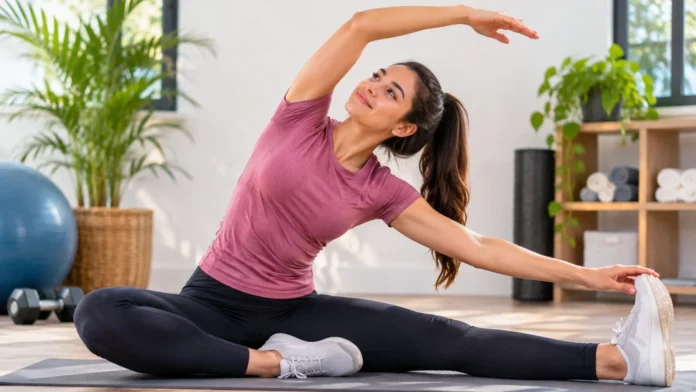
Flexibility is an important part of everyday life, whether you are moving your body, solving problems, or adjusting to unexpected situations. You may hear the word used in fitness, workplaces, education, and personal development. Although its meaning changes slightly depending on the situation, flexibility generally describes the ability to move, change, or adapt without unnecessary difficulty.
Understanding flexibility meaning can help you recognize its importance in physical health, mental well-being, and daily activities. Physical flexibility allows joints to move comfortably, while mental flexibility helps people adjust their thinking when circumstances change. This guide explains the definition of flexibility, its different types, practical examples, major benefits, and ways to develop it.
What Is Flexibility? Meaning and Definition
Flexibility means the ability to bend, move, change, or adapt according to different conditions. In physical fitness, it usually refers to the range of motion available at a joint or group of joints. In everyday language, flexibility can also describe someone’s willingness to adjust plans, consider alternative viewpoints, or respond positively to changing circumstances.
The meaning of flexibility depends on the context in which the word is used. For example, a gymnast may demonstrate physical flexibility through controlled movements, while an employee may demonstrate workplace flexibility by adjusting to a revised schedule. Both examples involve adaptability, but they refer to different abilities and should not be confused.
Flexibility is not the same as having unlimited movement or agreeing to every change. Healthy flexibility involves adjusting within appropriate physical, personal, and practical boundaries. Understanding this distinction helps explain why flexibility is useful in different situations while recognizing that individual limitations, responsibilities, and preferences also deserve consideration.
What Does Flexibility Mean in Physical Fitness?
In physical fitness, flexibility describes how far a joint can move through its available range of motion. This movement depends on several structures, including muscles, tendons, ligaments, and the joint itself. Age, physical activity, previous injuries, and individual anatomy can influence flexibility, meaning people naturally have different movement capabilities.
For example, shoulder flexibility influences how comfortably you can raise your arms overhead. Hip flexibility contributes to movements such as bending, squatting, and stepping into different positions. These abilities support everyday movement, but having a greater range of motion does not automatically mean someone is stronger, healthier, or less likely to experience injuries.
Physical flexibility can improve with appropriate movement practice, although the amount of improvement varies between individuals. Gentle stretching and mobility exercises may help maintain comfortable joint movement over time. The goal should be developing useful, controlled movement rather than forcing the body into extreme positions that may cause discomfort or unnecessary strain.
What Are the Different Types of Flexibility?
Flexibility is often discussed in terms of static and dynamic movement. Static flexibility describes the available range of motion when a position is held without continuous movement. For example, gently stretching the back of your thigh while remaining in a comfortable position demonstrates static flexibility, provided the movement does not cause pain.
Dynamic flexibility involves moving a joint through a comfortable range while the surrounding muscles remain active. Activities such as controlled arm circles, leg swings, and gentle hip movements can demonstrate this type of flexibility. Dynamic flexibility is particularly relevant to movement preparation because it combines joint motion with muscular control and coordination.
Active and passive flexibility provide another useful way to describe movement capabilities. Active flexibility relies on your muscles to move or hold a position, while passive flexibility involves an external force such as gravity or gentle assistance. These categories overlap with static and dynamic flexibility, but they help explain how different movements are achieved.
Why Is Flexibility Important in Everyday Life?
Flexibility supports everyday activities that require comfortable movement through different joint positions. Bending to pick up an object, reaching for something overhead, and turning to look behind you all involve joint mobility. Maintaining a useful range of motion can make these tasks feel more manageable, particularly when combined with adequate strength and coordination.
Comfortable flexibility may also support participation in recreational activities such as walking, dancing, swimming, and gardening. Different activities require different movement patterns, so flexibility needs vary from person to person. Someone who enjoys yoga may use a different range of motion than someone whose routine involves mainly walking and ordinary household activities.
However, flexibility is only one part of physical fitness and should not be treated as the sole measure of movement quality. Strength, balance, endurance, and coordination also contribute to daily function. A balanced approach to physical activity supports these abilities together while allowing individuals to work within their own comfortable movement ranges.
Benefits of Flexibility for Muscles and Joints
One potential benefit of flexibility training is maintaining or improving the range of motion available around different joints. When performed consistently and comfortably, stretching can help certain muscles tolerate movement through a greater range. This may be useful for individuals who experience stiffness after spending long periods sitting or performing repetitive activities.
Flexibility exercises can also encourage body awareness by helping people recognize how different joints and muscles move. Gentle stretching provides an opportunity to notice areas of tension and explore comfortable positions. However, feeling tight does not always indicate a shortened muscle, and stretching is not guaranteed to resolve every type of discomfort.
Improving flexibility does not automatically prevent injuries or eliminate muscle soreness after exercise. Research on these outcomes is mixed, and injury risk depends on several factors beyond stretching alone. Combining suitable flexibility work with strength training, gradual exercise progression, adequate recovery, and appropriate movement techniques provides a more complete approach to physical health.
Flexibility vs. Mobility: What Is the Difference?
Flexibility and mobility are closely related concepts, but they do not mean exactly the same thing. Flexibility generally refers to the available range of motion around a joint, while mobility emphasizes the ability to move through that range with suitable control. Both abilities contribute to comfortable and functional movement in everyday activities.
For example, someone may be able to move their hip through a wide range when receiving gentle assistance. However, they might find it difficult to control the same movement using their own muscles. This difference illustrates why flexibility alone does not guarantee effective mobility, especially during activities requiring balance and coordinated muscular effort.
Mobility training often includes controlled joint movements, strength exercises, and activities that challenge stability. Flexibility training may involve more emphasis on sustained stretching or gradually exploring comfortable movement ranges. These approaches can complement one another, helping people develop movement capabilities suited to their interests, daily responsibilities, and physical needs.
Flexibility Meaning in Mental Health and Thinking
Mental flexibility refers to the ability to adjust thoughts, perspectives, and responses when situations change. It allows people to consider alternative explanations, respond to new information, and recognize that different approaches may solve the same problem. This ability is useful when everyday plans change or unexpected challenges require a different way of thinking.
Psychological flexibility is a related concept involving the ability to remain aware of thoughts and emotions while choosing actions that reflect personal values. It does not require avoiding difficult feelings or pretending that every situation is positive. Instead, it involves responding thoughtfully rather than allowing one automatic reaction to control every decision.
For example, a student may become disappointed when a preferred study method does not produce the expected results. Mental flexibility allows the student to explore alternative approaches and adjust their routine. This does not mean ignoring frustration; it means recognizing the difficulty while remaining open to practical changes that may support improvement.
What Does Flexibility Mean in the Workplace?
Workplace flexibility describes the ability to adjust certain work arrangements, responsibilities, or processes when circumstances require change. It may involve flexible schedules, remote work arrangements, modified deadlines, or alternative methods of completing tasks. The exact meaning depends on the organization, the nature of the job, and agreed workplace policies.
Flexible working arrangements can help some employees manage responsibilities more effectively when they are designed fairly and communicated clearly. For example, adjustable starting times may support workers with different commuting or caregiving needs. However, not every role allows the same flexibility, particularly when employees must provide services at specific locations or scheduled times.
Being flexible at work also means adapting to new information and collaborating when priorities change. Employees may need to learn unfamiliar software, revise project plans, or coordinate with different team members. Healthy workplace flexibility should still include clear expectations, reasonable workloads, and appropriate boundaries rather than requiring constant availability or unlimited changes.
Examples of Flexibility in Everyday Situations
Physical flexibility appears in many ordinary movements, including reaching overhead, bending comfortably, and turning the body during daily activities. A person may demonstrate useful flexibility while putting on shoes or performing gentle stretches. These examples show that flexibility is not limited to advanced gymnastics or dramatic yoga positions.
Mental flexibility becomes useful when plans change unexpectedly. Someone who cannot complete a planned outdoor activity because of bad weather might choose an enjoyable indoor alternative instead. This response demonstrates adaptability because the person adjusts their approach without assuming that the original plan was the only acceptable option.
Social flexibility can involve considering different perspectives during conversations and adjusting communication styles when appropriate. For example, two colleagues may disagree about how to complete a project but remain open to discussing alternatives. Flexibility allows them to explore a workable solution without requiring either person to abandon reasonable boundaries or personal values.
How to Improve Physical Flexibility Safely
Improving physical flexibility usually begins with gentle, consistent movement rather than intense stretching sessions. Choose activities that involve the joints and muscles you want to move more comfortably. Light walking or other easy movements can help prepare your body before stretching, making it easier to explore your available range without forcing uncomfortable positions.
When performing a static stretch, move gradually until you notice mild tension rather than sharp pain. Hold the position comfortably while breathing normally, then release slowly. Some general exercise recommendations suggest holding stretches for approximately 10 to 30 seconds, although the appropriate duration depends on the movement and individual circumstances.
Consistency matters more than achieving extreme positions quickly. You can include gentle stretching after regular activities or during short movement breaks throughout the week. If you have recent injuries, joint instability, significant pain, or a medical condition affecting movement, seek professional guidance before beginning unfamiliar flexibility exercises.
Common Stretching Mistakes to Avoid
One common mistake is forcing a joint beyond its comfortable range because of the belief that deeper stretching always produces better results. Excessive pressure may irritate muscles, tendons, or surrounding tissues. Instead, aim for controlled movements that create mild tension without sharp pain, and remember that flexibility naturally differs between individuals.
Another mistake is bouncing aggressively during static stretching without understanding the movement. Sudden, uncontrolled motions can make it harder to maintain comfortable positioning. Controlled dynamic stretching is different because it involves deliberate movement through a suitable range, while static stretching generally emphasizes remaining in a steady position without unnecessary jerking.
Ignoring discomfort can also interfere with a safe flexibility routine. Stretching should not require pushing through numbness, severe pain, or unusual joint sensations. If symptoms persist or worsen, stop the movement and consider professional advice, especially when discomfort follows an injury or affects your ability to perform normal activities.
How to Develop Mental and Emotional Flexibility
Developing mental flexibility involves practicing openness to different perspectives and recognizing that circumstances can change. When facing a difficult situation, consider whether more than one reasonable explanation or solution exists. This approach can reduce rigid thinking and support better decision-making without requiring you to agree with every opinion or abandon personal preferences.
Another useful practice is separating immediate emotional reactions from the actions you choose to take. Feeling disappointed, frustrated, or uncertain is a normal part of life, particularly when expectations are not met. Recognizing these emotions can create space to respond thoughtfully rather than reacting automatically to every uncomfortable experience.
Learning new skills and exploring unfamiliar activities can also provide opportunities to practice adaptability. Trying a different problem-solving method, considering constructive feedback, or adjusting routines may help people become more comfortable with change. Developing flexibility is an ongoing process, and meaningful improvement often comes through repeated practice rather than dramatic overnight changes.
Is Too Much Flexibility Possible?
Greater flexibility is not always better because joints require stability as well as movement. Some individuals naturally have unusually large ranges of motion, a characteristic often described as joint hypermobility. This does not automatically indicate a medical problem, but excessive movement can sometimes contribute to discomfort or instability when surrounding tissues provide insufficient support.
People with hypermobile joints may benefit from exercises that improve muscular strength, coordination, and controlled movement. Aggressively stretching already flexible joints may not be helpful, especially when symptoms include repeated sprains, pain, or feelings of instability. A qualified healthcare professional can recommend appropriate activities based on individual needs and joint function.
The most useful amount of flexibility depends on the activities a person wants to perform comfortably. Everyday tasks generally require a different range of motion than specialized athletic movements. Instead of comparing your flexibility with someone else’s, focus on developing comfortable, controlled movement that supports your own health and daily activities.
Conclusion
Flexibility means the ability to move, adjust, or adapt depending on the situation. In fitness, it describes the range of motion available around joints, while mental and workplace flexibility involve responding effectively to changing circumstances. Understanding these different meanings helps explain why flexibility is an important concept in both physical movement and everyday decision-making.
Physical flexibility can support comfortable movement when combined with strength, balance, and coordination. Gentle stretching, controlled mobility exercises, and regular physical activity may help maintain useful joint motion. At the same time, mental flexibility can support problem-solving, thoughtful communication, and the ability to consider alternative approaches when unexpected challenges appear.
Developing flexibility does not mean forcing extreme movements or accepting every change without question. Healthy flexibility involves adapting within appropriate physical and personal boundaries. By practicing comfortable movement, remaining open to new information, and making thoughtful adjustments, you can develop flexibility that supports your individual needs and everyday activities.
Frequently Asked Questions (FAQs)
What is the simple meaning of flexibility?
Flexibility means the ability to bend, move, change, or adapt without unnecessary difficulty. In physical fitness, it describes joint range of motion, while in everyday situations, it refers to adaptability.
Why is flexibility important for the body?
Flexibility supports comfortable movement around joints and helps people perform daily activities such as bending, reaching, and turning. It works alongside strength, balance, and coordination to support physical function.
What are the main types of physical flexibility?
Static and dynamic flexibility are two common categories. Static flexibility involves holding a position, while dynamic flexibility involves controlled movement through a joint’s range of motion.
How can beginners improve flexibility?
Beginners can practice gentle stretching and comfortable mobility exercises consistently. Avoid forcing painful positions, maintain normal breathing, and gradually explore movement ranges suited to individual abilities and physical conditions.
What is the difference between flexibility and mobility?
Flexibility refers to the available range of motion around a joint. Mobility describes the ability to move through that range with appropriate muscular control, coordination, and stability.