
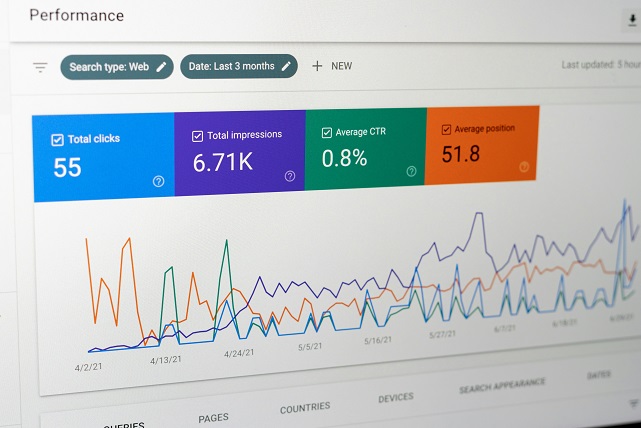
Understanding Marketing Metrics
Marketing metrics are quantifiable measures used to evaluate the effectiveness of marketing strategies and campaigns. They provide essential data that enables businesses to assess their performance, make informed decisions, and optimize future marketing initiatives. Effective tracking of marketing metrics allows organizations to determine what is working, what is not, and where improvements can be made. Generally, marketing metrics can be classified into two categories: quantitative and qualitative metrics. Quantitative metrics involve numerical data and provide concrete measurements that can be analyzed statistically. Examples include conversion rates, customer acquisition costs, and return on investment (ROI). These metrics are crucial because they deliver objective insights into marketing performance and help drive data-driven decision-making.
On the other hand, qualitative metrics provide a more subjective view of marketing performance. These metrics often involve customer feedback, brand sentiment, and customer satisfaction scores. While they may not always lend themselves to numerical analysis, qualitative metrics are valuable in understanding the consumer’s perspective. For instance, monitoring social media comments or conducting surveys can reveal customer feelings towards a brand, offering insights that are not captured by numbers alone.
By utilizing a combination of both quantitative and qualitative marketing metrics, businesses can gain a comprehensive understanding of their marketing effectiveness. This holistic approach enables organizations to not only evaluate their current strategies but also inform future marketing decisions. Tracking these metrics consistently across campaigns allows businesses to adapt their approaches, refine their tactics, and ultimately drive more successful marketing outcomes.
Key Performance Indicators (KPIs) Explained
Key Performance Indicators, commonly referred to as KPIs, are measurable values that help businesses evaluate their success in achieving specific marketing objectives. By analyzing these metrics, organizations can gain insight into performance and identify areas for improvement. KPIs serve as critical tools in the development and refinement of marketing strategies, ensuring that efforts are aligned with overarching business goals.
Different types of KPIs can be categorized into several key areas including acquisition, engagement, and conversion metrics. Acquisition metrics reflect how well a business attracts potential customers. These may include website traffic, lead generation rate, and the effectiveness of advertising campaigns. By monitoring these indicators, companies can gauge the success of their outreach initiatives and adjust strategies as necessary.
Engagement metrics provide insights into how customers interact with a brand’s marketing efforts. This can encompass various indicators such as social media interactions, click-through rates, and email open rates. Tracking these metrics helps businesses understand their audience’s preferences and content resonance, enabling tailored messaging that drives deeper connections.
Conversion metrics are perhaps the most critical KPIs as they indicate the effectiveness of turning prospects into paying customers. Metrics such as conversion rate, average order value, and return on investment (ROI) fall under this category. These statistics not only reflect sales outcomes but also highlight the efficiency of marketing funnels.
Aligning KPIs with specific marketing goals is essential for overall strategy success. Each metric should be chosen based on its relevance to a company’s unique objectives, providing a clear framework for tracking progress and making data-driven decisions. By focusing on the right KPIs, businesses can enhance performance, optimize resources, and ultimately achieve greater marketing success.
Website Traffic Metrics
Understanding your website traffic is critical for assessing the effectiveness of your marketing efforts. Key metrics such as unique visitors, page views, and bounce rate provide valuable insights into user behavior and the overall performance of your site.
Unique visitors refer to individual users who visit your website over a specified period, indicating the size of your audience. This metric helps to determine how many distinct individuals are engaging with your content, distinguishing it from total visits, which counts repeated visits by the same users. Tracking unique visitors is fundamental for gauging the reach of your marketing campaigns and understanding your target market’s engagement levels.
Page views, on the other hand, measure the total number of pages viewed on your site. This metric can provide insights into content effectiveness and user interest. A high number of page views relative to unique visitors can suggest that users are finding your site engaging and are exploring multiple content offerings. It is important to aim for a balance, as both metrics together illustrate how well your site retains and attracts visitors.
Bounce rate is another crucial metric that reflects the percentage of visitors who navigate away from the site after viewing only one page. A high bounce rate may indicate that the landing pages are not resonating with users or that the content does not meet their expectations. Lowering this rate typically involves improving user experience and content relevance, which are essential for campaign success.
To track these important metrics, tools such as Google Analytics provide comprehensive insights and help businesses analyze data effectively. By monitoring website traffic metrics, organizations can refine their marketing strategies, improve user experience, and ultimately drive better results in their campaigns.
Conversion Rates: Turning visitors into customers
Conversion rates are critical metrics that indicate the effectiveness of a business in turning prospects into actual customers. This metric can be defined as the percentage of visitors to a website who complete a desired action out of the total number of visitors. These desired actions can vary widely and can include anything from making a purchase, signing up for a newsletter, filling out a contact form, or downloading a material. Understanding how to calculate conversion rates accurately is vital for businesses aiming to optimize their marketing efforts.
To calculate the conversion rate, the formula is straightforward: divide the number of conversions by the total number of visitors and multiply the result by 100 to get a percentage. For example, if a website receives 1,000 visitors in a month and 50 of those visitors become customers, the conversion rate would be 5%. By analyzing this metric over time, businesses can gain insights into their sales funnels and identify areas requiring improvement.
Different types of conversions are relevant for distinct business goals. For instance, an e-commerce business primarily focuses on sales conversions, while a lead generation company may prioritize the capture of contact information. Thus, setting clear objectives for what constitutes a “conversion” is essential. Optimizing conversion rates is significant because even a slight improvement can lead to substantially increased revenues without necessitating higher traffic levels. Techniques for enhancing conversion rates include A/B testing landing pages, simplifying the checkout process, and ensuring that calls-to-action are clear and compelling.
Customer Acquisition Cost (CAC)
Customer Acquisition Cost (CAC) is a crucial marketing metric that represents the total costs associated with acquiring a new customer. This includes various expenses such as marketing costs, sales team salaries, advertising expenditures, and any other resources used to secure a customer. Understanding your CAC is essential for businesses, as it directly affects profitability and can guide strategic decision-making in marketing and sales efforts.
To calculate CAC, one must divide the total costs spent on acquiring customers within a specific time period by the number of customers acquired during that same period. For instance, if a company spends $50,000 on marketing in a quarter and successfully acquires 200 new customers, the CAC would be calculated as follows: $50,000 / 200 = $250. This means that the business expends $250 to gain each new customer.
The significance of CAC lies in its relationship with Customer Lifetime Value (CLV). By comparing these two metrics, a business can determine whether its marketing strategies are sustainable. CLV indicates the net profit attributed to the entire future relationship with a customer. If a company has a CAC that exceeds its CLV, it is likely investing too much in acquiring customers, which could be detrimental to its financial health.Understanding the interplay between CAC and CLV allows businesses to optimize their marketing budgets effectively. Companies can adjust their marketing strategies to focus on the most cost-efficient customer acquisition channels, ensuring that they maximize profitability. Furthermore, continuous monitoring and analysis of CAC enables businesses to respond swiftly to market changes and emerging customer trends, ultimately leading to improved marketing efficacy.
Customer Lifetime Value (CLV) and Its Importance
Customer Lifetime Value (CLV) is a critical marketing metric representing the total revenue a business can expect from a single customer account throughout their entire relationship with that business. Understanding CLV helps businesses tailor their strategies for customer acquisition, retention, and overall growth. To calculate CLV, businesses typically use the formula: CLV = (Average Purchase Value) × (Average Purchase Frequency) × (Customer Lifespan). This calculation enables companies to identify the financial value of their customers over time rather than just focusing on short-term revenue.
The significance of CLV extends beyond mere numbers; it informs strategic decisions that shape marketing efforts. By understanding the average CLV, businesses can determine how much to invest in acquiring new customers. For instance, if the CLV of a customer is significantly higher than the cost of acquiring them, such investments become justifiable and strategic. Additionally, CLV provides insights into customer retention strategies. For example, by identifying trends in customer spending and loyalty, businesses can create personalized marketing campaigns and promotions that encourage repeat purchases, thereby optimizing overall profits.
Furthermore, CLV serves as a guiding metric for resource allocation. It highlights the need to direct marketing resources and budget efficiently, ensuring that funds are channeled towards retaining high-value customers rather than solely focusing on acquiring new customers. This approach not only increases profitability but also fosters a loyal customer base, which is vital for long-term success. Therefore, understanding and effectively utilizing Customer Lifetime Value can lead to more informed decisions in marketing strategies and business operations, positioning a company for sustained growth and competitiveness.
Social Media Engagement Metrics
In the digital age, social media has emerged as a pivotal platform for businesses to connect with their audiences. Tracking social media engagement metrics is essential as it provides insights into brand awareness and customer sentiment. Key metrics include likes, shares, comments, and follower growth, each offering unique perspectives on how effectively a brand resonates with its audience.
Likes are often the most straightforward form of engagement. They indicate the general approval of a post or content shared on social media. A high number of likes can suggest that the content is well-received, while a low count might necessitate a reevaluation of content strategy. However, it’s important to balance this metric with qualitative feedback, as engagement is not solely about quantity.
Shares represent how often users disseminate content to their own followers, thereby expanding the reach of a post. This metric not only gauges the virality of content but also reveals how well it resonates with an audience. Content that sparks the desire to share is often more impactful, indicating a strong alignment with the interests or values of the audience. Furthermore, when users share content, they are essentially endorsing it to their network, which can enhance credibility and brand trust.
Comments provide deeper insight into customer sentiment and engagement. Analyzing comments can uncover actionable feedback and insights into consumer attitudes. Businesses can engage directly with their audience through comments, fostering a sense of community. Active conversations in the comments section can significantly enhance brand loyalty.
Finally, follower growth is an essential metric reflecting a brand’s expanding influence. Steady growth indicates that a brand is successfully attracting new audiences, whereas stagnation or decline can signify that content or engagement strategies may need adjustment. By closely monitoring these key social media engagement metrics, businesses can refine their marketing strategies, enhance customer interactions, and ultimately drive better business outcomes.
Email Marketing Metrics to Monitor
Email marketing remains a crucial strategy for businesses aiming to engage with their audience effectively. To optimize email campaigns, it is vital to monitor essential metrics that reveal insights into performance and user engagement.
One of the primary metrics to track is the open rate, which indicates the percentage of recipients who opened an email compared to the total number of emails sent. A higher open rate suggests that the subject line, timing, and sender’s credibility resonate well with the audience. This metric provides a baseline for gauging interest and relevance, enabling businesses to tweak their email strategies accordingly.
Equally important is the click-through rate (CTR), which represents the proportion of recipients who clicked on one or more links in the email. This metric offers a deeper understanding of how compelling the email’s content and calls to action are. Tracking the CTR helps marketers identify not only the effectiveness of messaging but also the alignment of content with the users’ interests. An analysis of CTR can lead to adjustments in design, content, or even the segmentation of target audiences.
Lastly, the unsubscribe rate is a critical metric that reflects the percentage of recipients who opt-out from the email list after receiving a campaign. A rising unsubscribe rate may indicate issues such as irrelevant content, over-communication, or poor targeting. By monitoring this metric closely, businesses can address potential problems before they escalate, ensuring that email marketing efforts remain productive and engaging for the audience.
In conclusion, monitoring these email marketing metrics—open rates, click-through rates, and unsubscribe rates—provides invaluable insights for enhancing email campaigns. By leveraging such data, businesses can make informed decisions and fine-tune their email marketing strategies to maximize engagement and effectiveness.
Tracking and Analyzing Marketing Metrics Effectively
Effectively tracking and analyzing marketing metrics is essential for any business seeking to optimize its marketing strategies. The use of analytics tools is a crucial first step. These tools allow businesses to gather data from various sources, including website traffic, social media engagement, and email campaign performance. Utilizing platforms such as Google Analytics or HubSpot can provide insights into customer behavior, helping to understand which strategies are most effective.
Setting clear, measurable goals is another best practice in tracking marketing metrics. Goals should be specific, attainable, and relevant to the business’s overall objectives. For instance, a business might set a goal to increase its website traffic by 25% over six months. This not only provides a clear target but also helps in determining which metrics should be prioritized for analysis, such as unique visitors or bounce rate.
Regularly reviewing marketing metrics is vital for informed decision-making. Quarterly or monthly reviews can help in assessing progress toward goals and making necessary adjustments to strategies. It is important to focus on key performance indicators (KPIs) that directly align with the business objectives. Metrics such as conversion rates, customer acquisition costs, and return on investment (ROI) can provide valuable insights into the effectiveness of marketing efforts.
Furthermore, businesses should be open to making data-driven adjustments. If a particular campaign underperforms, it is essential to analyze the metrics to understand why. Are the target audience and messaging aligned? Did the marketing strategy fail to engage customers effectively? Answering such questions can help refine future campaigns, making them more effective.
In conclusion, tracking and analyzing marketing metrics effectively requires the robust use of analytics tools, clear goal setting, and regular reviews. By adopting these best practices, businesses can enhance their marketing strategies and improve overall performance.