
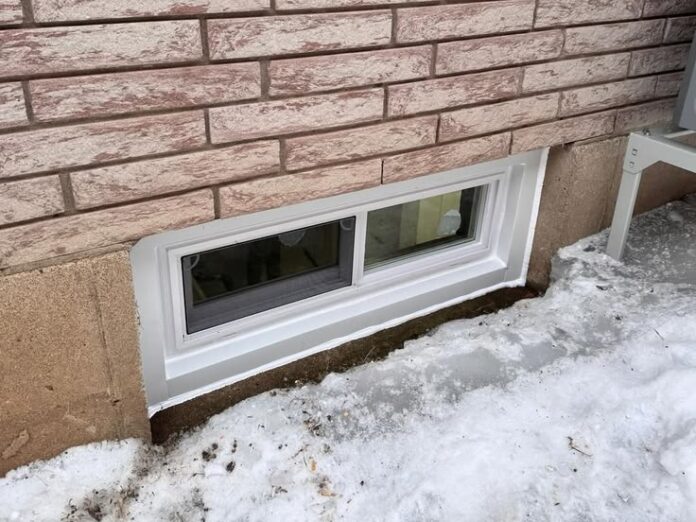
Basement windows have different requirements than those in above-ground living areas. Factors such as window size and placement, the surrounding foundation, and ventilation needs can all influence which window is ideal for the space. Before completing a basement window replacement, it’s also key to inspect the existing opening; this helps determine which styles and operating options will fit properly. Here are some tips to help you choose the right basement windows for your replacement project:
Measure the Available Openings
Accurate measurements provide a starting point for selecting a replacement basement window. The width and height determine which products can fit the existing opening, while the depth affects the frame configuration. Recording the opening dimensions before choosing a style helps make sure the replacement window is compatible with the existing structure.
The visible glass area does not always correspond to the full dimensions of the existing opening. Window frames occupy part of the opening, so a larger unit does not automatically provide a larger clear viewing area. Measurements should also include an assessment of the surrounding frame and foundation materials. A professional evaluation can help identify dimensions hidden behind trim or other existing components.
Changing window styles sometimes requires more than replacing the existing unit with a similar model. A wider sliding window may distribute space differently than a hopper window. Matching the replacement window’s dimensions to the actual opening helps support a more suitable product selection.
Compare Window Styles
Window operation affects ventilation, cleaning access, and the amount of usable opening. Hopper windows open inward from the top or bottom edge, which makes them suitable for many smaller basement spaces. Sliding windows operate horizontally; this may make them a better fit for wider openings. The available dimensions and intended use help narrow down the most suitable style options.
Casement windows feature an outward-swinging sash, while specialty windows address openings with unusual shapes or proportions. Exterior clearance affects outward-opening designs, particularly near window wells or landscaping obstructions. Choosing a basement window replacement becomes more straightforward when the operating style is compatible with the opening and surrounding conditions. Product selection also depends on how frequently the window will be opened for ventilation.
Check Egress Requirements
Some basement spaces require windows that provide an emergency escape opening, known as egress. Building rules may vary by location and how the basement area is used. Several related details help determine whether an opening supports emergency access:
- Measure the clear opening with the window fully open.
- Check whether the operating sash restricts the exit space.
- Review window well access where exterior excavation is present.
- Verify local requirements for the specific basement use.
- Examine exterior obstructions near the opening.
These factors provide key context, but the surrounding installation conditions can also affect the finished window. Even a properly sized opening requires sufficient exterior space when emergency egress is required. Window wells, covers, and landscaping can affect how easily the opening functions.
Evaluate Window Efficiency
Basements sometimes have different temperatures than upper floors, particularly near foundation walls. Insulated glass and properly fitted frames can help reduce unwanted heat transfer through the window opening. Proper installation also plays a role; it should limit drafts and improve the window’s seal. Frame materials and glass options may be selected based on the conditions surrounding the basement wall and the home’s overall needs.
Review Installation Conditions
Existing moisture or material damage should be addressed before installing a replacement window. Deteriorated framing, damaged masonry, and gaps around the opening can affect the fit of the new unit; precise measurements help identify these conditions during planning. Additional steps that provide a closer look at installation factors include:
- Inspect the sill and surrounding surfaces: Check for staining, soft spots, cracking, or other signs that indicate underlying problems.
- Check the opening for proper alignment: Verify that the opening is level, square, and free of obstructions that could interfere with installation.
- Examine drainage paths: Make sure water is able to move away from the window rather than collecting around the frame or foundation.
Learn More About Basement Window Replacement
A basement window project can enhance energy efficiency, and it offers an opportunity to examine how the space will be used in the future. Finished living areas, storage rooms, and utility spaces may have different ventilation and access requirements, which helps determine window selection. Before choosing your replacement windows, seek professional measurements and installation guidance to identify which options are suited to your basement.