
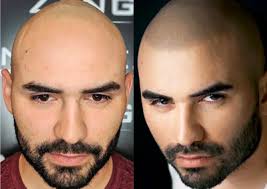
Thinning hair changes an individual’s appearance because the spaces between current hairs make the scalp more visible. Scalp micropigmentation creates the appearance of greater hair density by using pigment to fill in sparse areas, define the hairline, or reshape it. Here is how the treatment acts as a modern solution for thinning hair:
Replicates the Appearance of Hair Follicles
Scalp micropigmentation uses detailed micro-needles to place pigment into the scalp. The process creates small dots that resemble individual hair follicles, giving the client the appearance of a short buzz cut. This changes the visual contrast between the scalp and surrounding hair, which makes thinning areas appear more uniform.
The treatment does not restore physical hair growth; it instead creates a pattern that resembles closely cropped follicles. Practitioners layer pigment to create depth and dimension. They also adjust the density of the pigment deposits based on the client’s desired outcome and natural hair thickness.
Pigment placement matters, especially for people experiencing thinning hair, because natural hair does not follow a perfectly uniform pattern. Artists assess the client’s existing growth patterns during a consultation to create a treatment that complements the surrounding hair. With proper placement, they can also account for future changes in growth patterns and color.
Recreates Natural Hairlines
Pattern baldness, also known as androgenetic alopecia, is a condition associated with progressive hair loss in men and women. Scalp artists address the appearance of hair loss by applying pigment to define an existing hairline or create a new hairline shape. Hairline designs include rounded, slightly receded, M-shaped, and straight styles, and the selected shape depends on the client’s facial features, existing hair pattern, and preferred appearance.
Before treatment begins, practitioners discuss the client’s desired hairline and identify areas affected by thinning or hair loss. They also use mockups to show the proposed hairline and review its appearance from different angles. This planning process establishes the intended shape and helps the client select a defined hairline or a broken hairline that incorporates irregular spacing between pigment impressions.
Addresses Spaces on the Scalp
Some individuals experience thinning despite having a substantial amount of hair across the head. Their underlying skin becomes more visible because of increased space between individual hairs on the scalp. Some of the leading causes of this condition include the following:
- Tight hairstyles
- Hormone changes
- Skin conditions
Practitioners assist these clients by placing pigment between hairs to reduce the contrast between the scalp and hair. This technique is particularly effective along the middle and side parts of the scalp, where it helps narrow the appearance of part lines. These density fills create the appearance of fuller hair and can be used to address pattern baldness, thinning hair, and diffuse thinning. Clients who want to maintain longer hairstyles get density fills so they do not have to shave their head. It is a low-maintenance option that focuses on creating the illusion of increased density along the scalp.
Conceals Scars on the Scalp
Scalp scars often occur due to several reasons, including head trauma, hair transplant surgeries, and previous medical procedures. These marks disrupt natural hair regrowth and stand out against the surrounding area because hair may no longer grow through the scar tissue. Scalp micropigmentation helps conceal these scars by placing pigments strategically around and across the affected areas. This helps blend the scar more naturally into the scalp, making it less noticeable.
Practitioners often make adjustments to the treatment plan because not all scars respond the same way to pigmentation. This includes choosing the right follicle spacing and pigment density to reduce the contrast between the surrounding scalp and the scar tissue. These adjustments help account for the way scar tissue differs from the surrounding scalp, particularly in texture, pigmentation, and light reflection.
Learn More About Scalp Micropigmentation
Scalp micropigmentation helps people with thinning hair by replicating hair follicles, filling visible gaps, defining the hairline, and concealing scars. This non-invasive treatment creates the appearance of thicker, more uniform hair; results typically last four to six years. Because every pattern of thinning is different, clients should begin with a consultation with a trained artist who can assess their scalp and recommend an approach suited to their degree of thinning. Schedule a consultation today to discuss your options.